
PRP for Face and Hair: How It Works and What to Expect
PRP sessions have become one of the most talked-about cosmetic procedures lately, for both skin and hair loss. But between all the chatter and inflated expectations, this guide gives you accurate, calm answers to what really matters.
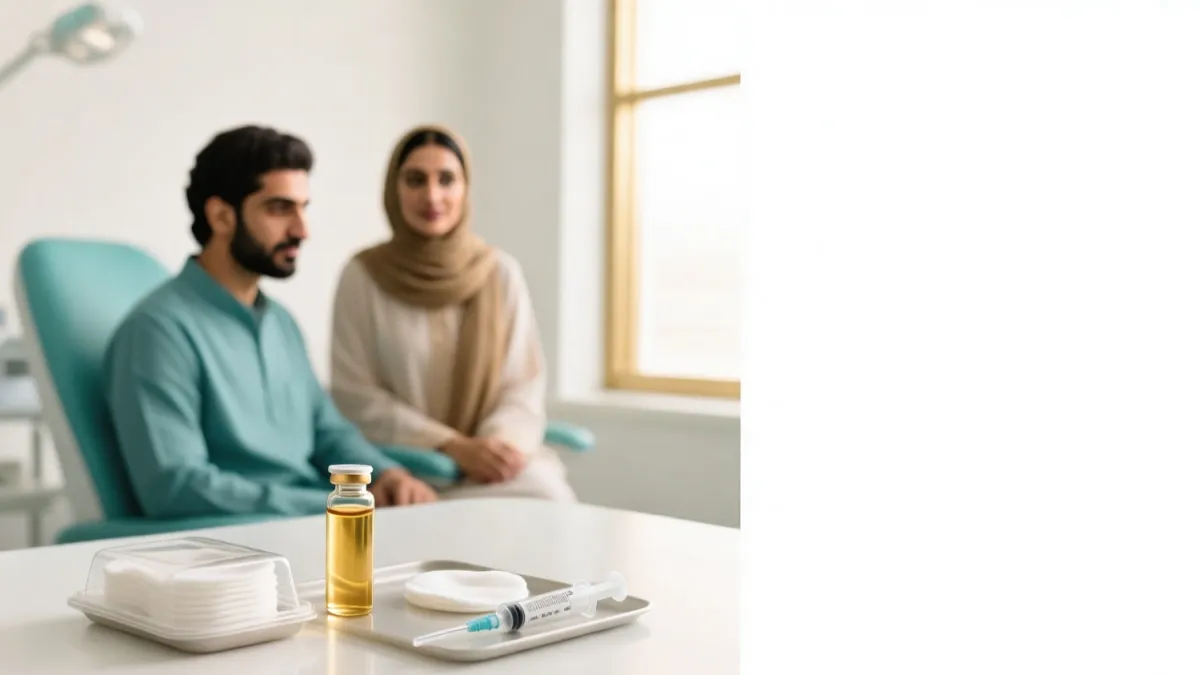
What is PRP, and why is it called "your own blood" treatment?
Platelet-rich plasma (PRP) is a treatment based on your own blood, not a foreign substance. The doctor draws a small amount of your blood and places it in a centrifuge to separate the platelets from the other blood components. This produces a high concentration of the natural growth factors already present in your body. The concentrate is then injected into the target area, such as the face or scalp, to stimulate your own cells to regenerate.
The idea behind the treatment is not new; PRP was first used in orthopedics and sports medicine before entering the cosmetic field. It contains no synthetic materials or hormones, which eases many of the concerns people have.
PRP for the face: what does it treat, and what doesn't it treat?
PRP for the face works by stimulating collagen production and improving skin quality from within. The conditions that tend to show noticeable results include:
- Tired, dull skin: especially after stress, lack of sleep, or prolonged sun exposure, such as during the olive harvest season.
- Mild to moderate acne scars: PRP stimulates renewal and gradually improves skin texture.
- Dark circles caused by skin fatigue: the under-eye area in particular responds to growth factors.
- Mild static wrinkles: PRP improves skin elasticity; it does not fill deep wrinkles.
And just as clearly: PRP is not a substitute for fillers if the problem is volume loss, nor for Botox if the problem is dynamic expression lines. Each treatment has its own place.
PRP for hair loss: when does it work, and when doesn't it?
For hair, PRP has been shown to give real results in specific cases. Before you decide, you should know:
- Androgenetic alopecia (pattern hair loss) in its early stages: PRP slows shedding and strengthens existing hairs; it does not bring back hair in an area where follicles are dead.
- Telogen effluvium (after stress, illness, or hormonal changes): this is where PRP gives its best results, because the follicle is still alive and just needs stimulation.
- Alopecia areata: some cases respond, but the decision should follow a doctor's evaluation.
You can use our hair loss stage tool to see where you currently stand. This helps the doctor assess whether PRP is the right choice or whether another option is more suitable, such as hair mesotherapy or hair transplant.
How does the session go, and what should you expect afterward?
A session usually takes between 45 minutes and an hour. The steps are: blood draw → centrifuge → PRP preparation → local anesthesia of the area → injection. Pain is mild to moderate, and the anesthesia helps a lot.
After the session:
- Mild redness and swelling: normal, and it fades within a day or two.
- Results are not immediate: the body needs time to build collagen. Improvement begins to show after 3–4 weeks and continues for up to three months.
- Number of sessions: usually 3 sessions one month apart, followed by maintenance sessions depending on your case. Use the touch-up planner to keep track of your appointments.
⚠️ If you notice severe redness, increasing swelling, or warmth in the area two days after the session, contact your doctor right away.
Who is PRP suitable for, and who should avoid it?
PRP is safe for many people, but there are situations the doctor needs to know about before you decide:
- Pregnant and breastfeeding women: avoided as a precaution.
- Clotting disorders or blood diseases: require specialist evaluation.
- Active infection in the treatment area: must be treated first.
- People taking blood thinners: need to consult an internal medicine doctor first.
There is no specific age limit for PRP; what matters most is the type of problem and realistic expectations. You can take our skin type test before the session to learn more about your skin.
Questions that shape your decision
Before booking your session, think through these questions with your doctor:
- What is your main concern? Hair loss, tired skin, scars? Each case has its own protocol.
- Are your expectations realistic? PRP improves and stimulates; it doesn't transform things from scratch.
- Are you comfortable with more than one session? A single session isn't enough in many cases.
- What is the current condition of your hair follicles? The doctor will assess this and tell you honestly whether PRP will help.
If you'd like to hear the doctor's opinion first, book a consultation and bring any previous test results or clear photos of the affected area.
🦷 Related services
Frequently asked questions
Is PRP painful?
How many PRP sessions do I need for hair?
Will PRP grow hair from scratch?
How soon after a PRP session can I resume normal life?
Is PRP suitable for all skin types?
What is the difference between PRP and hair mesotherapy?
Book a consultation or message us on WhatsApp.