
💊 Valproic acid (Valproic Acid)
Valproic acid is an oral anti-epileptic medicine used to treat certain types of seizures. It carries a boxed warning for liver toxicity, birth defects and decreased IQ after exposure during pregnancy, so it must only be used under a doctor's supervision.
In Arabic: حمض الفالبرويك
🏷️ Brand names & manufacturers
Packages shown are US-market (DailyMed). Brands available in Palestine are in the price section below.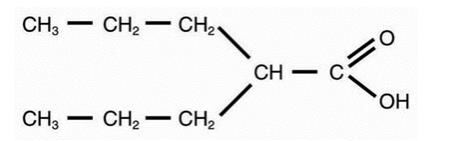 Valproic🏭 Actavis Pharma, Inc.
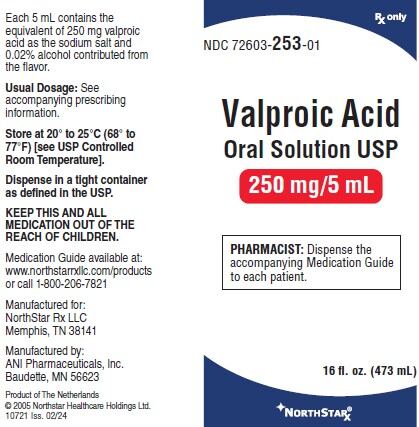 Valproic Acid🏭 NorthStar Rx LLC
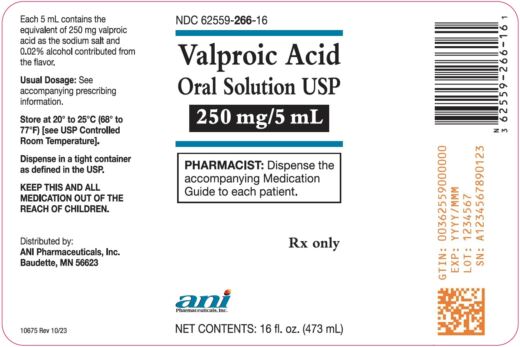 Valproic Acid🏭 ANI Pharmaceuticals, Inc.
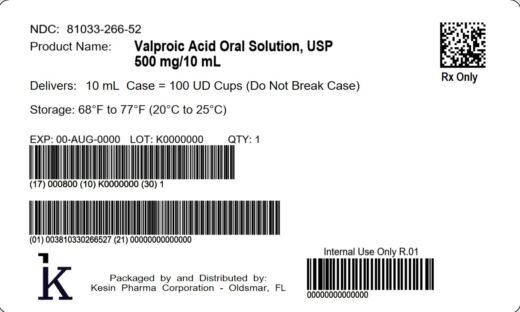 Valproic Acid🏭 Kesin Pharma Corporation
✅ What it is used for
- Monotherapy and adjunctive therapy of complex partial seizures occurring alone or with other seizure types
- Sole and adjunctive therapy of simple and complex absence seizures
- Adjunctive therapy in patients with multiple seizure types that include absence seizures
🧪 Active ingredient
The active ingredient is valproic acid (as the sodium salt in the solution). It dissociates to the valproate ion in the gastrointestinal tract. Its therapeutic mechanism has not been established; its activity in epilepsy is suggested to be related to increased brain concentrations of gamma-aminobutyric acid (GABA).
🌿 Benefits
- Helps control complex partial seizures
- Helps control simple and complex absence seizures
- Can be used alone or with other anti-epileptic drugs
📝 How to use
- Taken by mouth; the dose is set by your doctor or pharmacist for each patient.
- Take it every day as prescribed.
- If a dose is missed, take it as soon as possible unless it is almost time for the next dose; do not double the next dose.
- Your doctor may measure blood levels of the drug to adjust the dose.
💊 Dosage forms
- Red, cherry-flavored oral solution containing the equivalent of 250 mg valproic acid (as the sodium salt) per 5 mL, in 16 fl oz (473 mL) bottles
⚠️ Common side effects
- Abdominal pain
- Nausea and vomiting
- Diarrhea, indigestion, constipation
- Decreased or increased appetite
- Headache
- Drowsiness and dizziness
- Tremor
- Hair loss
- Weight gain or weight loss
- Double or blurred vision
- Weakness
- Low platelet count and bruising
- Tinnitus
- Insomnia, nervousness, depression
- Swelling of the limbs
🚨 Serious — seek medical help
- Liver failure (may be fatal), possibly preceded by malaise, weakness, lethargy, facial swelling, loss of appetite and vomiting
- Pancreatitis
- Birth defects and decreased IQ after in utero exposure
- Suicidal thoughts or behavior
- Bleeding and other blood disorders
- High ammonia levels and hyperammonemic encephalopathy (unexplained lethargy, vomiting, mental status changes)
- Hypothermia
- Drug Reaction with Eosinophilia and Systemic Symptoms (DRESS)/multiorgan hypersensitivity
- Marked drowsiness in the elderly
⛔ Do not use if
- Hepatic disease or significant hepatic dysfunction
- Known mitochondrial disorders caused by POLG mutations (e.g., Alpers-Huttenlocher Syndrome)
- Children under two years suspected of having a POLG-related disorder
- Known hypersensitivity to the drug
- Urea cycle disorders
- Migraine prophylaxis: pregnant women and women of childbearing potential not using effective contraception
❗ Warnings & precautions
- Hepatotoxicity: liver tests should be done before treatment and at frequent intervals, especially in the first six months.
- Children under two years are at considerably higher risk of fatal hepatotoxicity, especially those on multiple anticonvulsants.
- Should not be given to a woman of childbearing potential unless essential, because of the risk of birth defects and decreased IQ.
- Should ordinarily be discontinued if pancreatitis occurs.
- Increases the risk of suicidal thoughts or behavior; monitor for mood or behavior changes.
- Monitor platelet counts and coagulation tests.
- Measure ammonia if unexplained lethargy and vomiting or mental status changes occur, and with concomitant topiramate.
- Discontinue if DRESS/multiorgan hypersensitivity occurs.
- In the elderly, increase the dose slowly and monitor fluid and nutritional intake and drowsiness.
- Do not stop the medicine on your own.
🔄 Drug interactions
- Hepatic enzyme-inducing drugs (phenytoin, carbamazepine, phenobarbital, primidone, rifampin) can increase valproate clearance
- Enzyme inhibitors such as felbamate can decrease valproate clearance
- Aspirin, carbapenem antibiotics, estrogen-containing hormonal contraceptives: monitoring of valproate concentrations is recommended
- Valproate can affect levels of other drugs such as diazepam, ethosuximide, lamotrigine, phenytoin, clonazepam, tolbutamide, phenobarbital and carbamazepine
- Dose adjustment of amitriptyline/nortriptyline, propofol, warfarin and zidovudine may be needed
- Topiramate: hyperammonemia and encephalopathy
- Patients stabilized on rufinamide should start valproate at a low dose
🤰 Pregnancy
Pregnancy Category D for epilepsy. Use during pregnancy increases the risk of congenital malformations (particularly neural tube defects, and also craniofacial, cardiovascular, hypospadias and limb malformations) and decreased IQ in the child, and may increase the risk of autism spectrum disorders. It should not be given to a woman of childbearing potential unless essential. Discuss with your doctor before planning pregnancy or if pregnant, and do not stop the drug on your own. Pregnant patients are encouraged to enroll in the North American Antiepileptic Drug Pregnancy Registry.
🍼 Breastfeeding
Valproate is excreted in human milk. Caution should be exercised when it is given to a nursing woman. Consult your doctor.
🧒 Children
Children under two years are at considerably increased risk of fatal hepatotoxicity, especially with multiple medicines, metabolic disorders or brain disease; use with extreme caution and as a sole agent, only as directed by the doctor. Indicated for complex partial seizures in children aged 10 years and older. Younger children may require larger maintenance doses.
👴 Older adults
The starting dose should be reduced and increased more slowly, with monitoring of fluid and nutritional intake and somnolence; dose reduction or discontinuation should be considered with excessive drowsiness.
🌡️ Storage
Store at 20° to 25°C (68° to 77°F) (USP Controlled Room Temperature).
⏰ Missed dose
Take the missed dose as soon as possible unless it is almost time for the next dose. Do not double the next dose.
🆘 Overdose
Overdose may cause somnolence, heart block, deep coma and hypernatremia; fatalities have been reported. Seek emergency medical help immediately. Treatment is supportive; hemodialysis may remove significant amounts of the drug.
💰 Price & brands in your area
Local prices are currently available for Palestine; more countries are coming. Ask your pharmacist for local price and alternatives.
📍 Find the nearest pharmacy
Your location is used only in your browser to show nearby pharmacies — we don't store it.
Open in Google Maps👨⚕️ For healthcare professionals
Mechanism of action
Valproic acid dissociates to the valproate ion in the GI tract. The therapeutic mechanism has not been established; activity in epilepsy has been suggested to relate to increased brain GABA concentrations.
Labeled dosing
Label general adult dosing: start at 10 to 15 mg/kg/day, increasing by 5 to 10 mg/kg/week to optimal response, usually achieved below 60 mg/kg/day. Safety of doses above 60 mg/kg/day is not established. Usual therapeutic range is 50 to 100 mcg/mL. The dose is determined by the doctor or pharmacist.
- Probability of thrombocytopenia increases significantly at total trough valproate concentrations above 110 mcg/mL in females and 135 mcg/mL in males.
- When converting to monotherapy, concomitant AED dosage can ordinarily be reduced by about 25% every 2 weeks.
- Protein binding is nonlinear and concentration dependent, so total serum valproate is not a reliable index of the bioactive species.
- Serum liver tests before therapy and at frequent intervals; do not rely on biochemistry alone.
- Pregnancy Category D; malformation rate about four times higher than with other anti-seizure monotherapies.
🎓 Key points for students
- Class: anti-epileptic and mood stabilizer.
- Proposed mechanism: increased brain GABA.
- Boxed warning: hepatotoxicity, fetal risk (birth defects, decreased IQ), pancreatitis.
- Contraindications: hepatic disease, POLG mitochondrial disorders, urea cycle disorders, hypersensitivity.
- Enzyme inducers/inhibitors alter valproate clearance; valproate in turn alters levels of other drugs.
- Therapeutic range in epilepsy 50-100 mcg/mL.
- Concomitant topiramate raises the risk of hyperammonemia and encephalopathy.
EME runs your whole clinic: appointments with WhatsApp reminders, patient files, finance & inventory, a patient portal and a members-price medical store — with your data isolated and protected.
Try EME free How we protect your data❓ FAQ
What is valproic acid used for?
It is used to treat complex partial seizures and simple and complex absence seizures, alone or with other medicines.
Can it be used during pregnancy?
It increases the risk of birth defects and decreased IQ in the child and should not be given to a woman of childbearing potential unless essential. Talk to your doctor and do not stop it on your own.
What are the signs of liver toxicity?
Tiredness, weakness, lethargy, facial swelling, loss of appetite and vomiting; seizure control may also be lost. Tell your doctor immediately.
What should I do if I miss a dose?
Take it as soon as possible unless it is almost time for the next dose, and do not double the next dose.
Can I stop the medicine suddenly?
No. Do not stop or change the dose without your doctor's supervision.
What are the most common side effects?
Nausea, vomiting, abdominal pain, headache, drowsiness, dizziness, tremor, hair loss and weight changes.
⚕️ For education only — not a substitute for advice from your doctor or pharmacist. Do not start or stop any medicine without advice. Source: official FDA drug label via openFDA (2024-05), simplified. Updated: 2026-11-11.