
💊 Sitagliptin (Januvia)
Sitagliptin (brand name Januvia) is an oral medicine that helps improve blood sugar control in adults with type 2 diabetes, alongside diet and exercise. It is not for use in type 1 diabetes. It is prescribed by a doctor, and the dose depends on the patient's condition and kidney function.
In Arabic: سيتاغليبتين
🏷️ Brand names & manufacturers
Packages shown are US-market (DailyMed). Brands available in Palestine are in the price section below.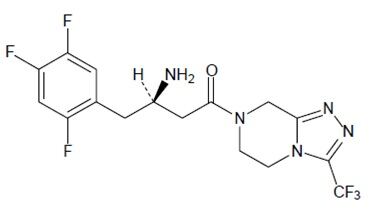 Zituvio🏭 Zydus Pharmaceuticals (USA) Inc.
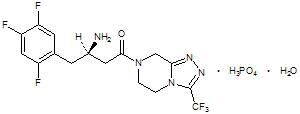 Januvia🏭 Merck Sharp & Dohme LLC
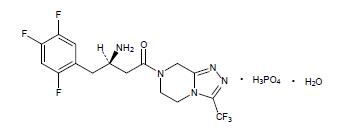 Sitagliptin🏭 Teva Pharmaceuticals, Inc.
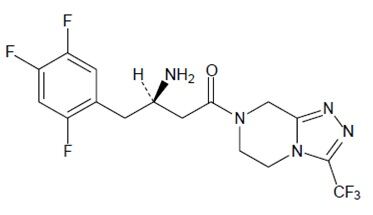 Sitagliptin🏭 Zydus Pharmaceuticals (USA) Inc.
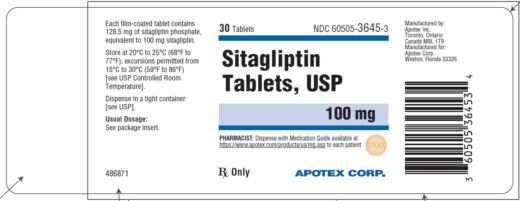 Sitagliptin🏭 Apotex Corp.
✅ What it is used for
- Adjunct to diet and exercise to improve glycemic control in adults with type 2 diabetes mellitus
🧪 Active ingredient
The active ingredient is sitagliptin (as phosphate), a DPP-4 inhibitor. It slows the inactivation of incretin hormones, increasing insulin release and decreasing glucagon in a glucose-dependent manner, which helps lower blood sugar.
🌿 Benefits
- Helps improve blood sugar control in type 2 diabetes
- Once-daily dosing, with or without food
- As monotherapy or with metformin or pioglitazone, the incidence of hypoglycemia was similar to placebo in trials
📝 How to use
- Taken by mouth once daily, with or without food.
- Your doctor or pharmacist sets the right dose for you; do not change it on your own.
- The doctor may adjust the dose if kidney function is reduced, and kidney function is assessed before starting and periodically afterward.
- In patients on dialysis, the medicine may be taken regardless of the timing of dialysis.
💊 Dosage forms
- 100 mg tablets (beige, round, film-coated, marked "277")
- 50 mg tablets (light beige, round, film-coated, marked "112")
- 25 mg tablets (pink, round, film-coated, marked "221")
⚠️ Common side effects
- Upper respiratory tract infection
- Nasopharyngitis (stuffy or runny nose and sore throat)
- Headache
- Hypoglycemia (more common when used with a sulfonylurea or insulin)
🚨 Serious — seek medical help
- Acute pancreatitis (severe abdominal pain), including fatal cases reported after marketing
- Heart failure
- Acute renal failure, sometimes requiring dialysis
- Serious allergic reactions such as anaphylaxis, angioedema, and Stevens-Johnson syndrome
- Severe and disabling joint pain
- Bullous pemphigoid (blisters or skin erosions), sometimes requiring hospitalization
⛔ Do not use if
- History of a serious hypersensitivity reaction to sitagliptin, such as anaphylaxis or angioedema
❗ Warnings & precautions
- Should not be used in patients with type 1 diabetes.
- Not studied in patients with a history of pancreatitis; it is unknown whether they are at increased risk of developing pancreatitis.
- Stop the medicine promptly and contact your doctor if pancreatitis is suspected or an allergic reaction occurs.
- Use with caution in patients with risk factors for heart failure, and monitor for symptoms.
- Kidney function should be assessed before starting and periodically thereafter.
- Tell your doctor if you develop severe joint pain or blisters/erosions on the skin.
🔄 Drug interactions
- Insulin or insulin secretagogues (e.g., sulfonylureas): lower doses of these may be needed to reduce the risk of hypoglycemia.
🤰 Pregnancy
Limited data in pregnant women are not sufficient to determine drug-associated risk. No adverse developmental effects were seen in animal studies at high doses. Poorly controlled diabetes in pregnancy increases risks to mother and baby, so consult your doctor.
🍼 Breastfeeding
The provided label text contains no information on the presence of the drug in breast milk; consult your doctor before use while breastfeeding.
🧒 Children
Safety and effectiveness have not been established in pediatric patients. In studies of patients aged 10 to 17 years, the treatment effect was not significantly different from placebo.
👴 Older adults
No overall differences in safety or effectiveness were seen between patients 65 and older and younger patients, though greater sensitivity in some older individuals cannot be ruled out. Because sitagliptin is largely excreted by the kidney, kidney function should be assessed more frequently in elderly patients.
🌡️ Storage
Store at 20-25°C (68-77°F); excursions permitted to 15-30°C (59-86°F).
⏰ Missed dose
The label does not include instructions for a missed dose; ask your doctor or pharmacist and do not double the dose on your own.
🆘 Overdose
In case of overdose, contact the Poison Control Center or seek medical help immediately. Supportive measures and clinical monitoring, including an electrocardiogram, may be needed.
💰 Price & brands in your area
🏛️ Official price in Palestine — Ministry of Health price list:
| Product | Company | Pack | Price |
|---|---|---|---|
| SITAGLIPTIN TEVA 25 MG 28 TAB SITAGLIPTIN | Teva | 28 TAB | 38 ₪ |
| SITAGLIPTIN TEVA 50 MG 28 TAB SITAGLIPTIN | Teva | 28 TAB | 49 ₪ |
| GLYSIA 50 MG TAB SITAGLIPTIN AS MONOHYDRATE PHOSPHATE | BPC | 30 TAB | 52 ₪ |
| SITAGLU 50 TABLETS (30 TAB) Sitagliptin (as phosphate monohydrate) | Pharmacare Company | 30 TABLETS / BOX | 52 ₪ |
| JUVESTA 50MG TABLETS Sitagliptine PH. Monohydrate | Jepharm Co. | 30 Tab | 54 ₪ |
| SITAGLIPTIN TEVA 100 MG 28 TAB SITAGLIPTIN | Teva | 28 TAB | 76 ₪ |
| JOSIGLIP 50 MG-28 TAB SITAGLIPTIN HYDROCHLORIDE | MASROUJI CO. | 28 TAB | 77 ₪ |
| GLYSIA 100 MG TAB SITAGLIPTIN AS MONOHYDRATE PHOSPHATE | BPC | 30 TAB | 82 ₪ |
| SITAGLU 100 TABLETS (30 TAB) Sitagliptin (as phosphate monohydrate) | Pharmacare Company | 30 TABLETS / BOX | 82 ₪ |
| SITAGLU-MET 50/850 TABLETS (56 TAB) Sitagliptin & Metformin | Pharmacare Company | 56 TABLETS / BOX | 83 ₪ |
| SITAGLU-MET 50/1000 TABLETS (56 TAB) Sitagliptin & Metformin | Pharmacare Company | 56 TABLETS / BOX | 83 ₪ |
| JOSIGLIP 100 MG-28 TAB SITAGLIPTIN HYDROCHLORIDE | MASROUJI CO. | 28 TAB | 85 ₪ |
| JUVESTA 100MG TABLETS Sitagliptine Ph. | Jepharm Co. | 30 Tab | 86 ₪ |
| JOSIGLIP MET 50/850 56 MGTAB SITAGLIPTIN HYDROCHLORIDE+METFORMIN HYDROCHLORIDE | MASROUJI CO. | 56 TAB | 86 ₪ |
| JOSIGLIP MET 50/1000 MG 56 MG TAB SITAGLIPTIN HYDROCHLORIDE+METFORMIN HYDROCHLORIDE | MASROUJI CO. | 56 TAB | 86 ₪ |
| GLIPIMET 100/1000 ER TAB Metformin Hcl 1000 MG & SITAGLIPTIN 100MG / TAB | BPC | 30 XR TAB | 180 ₪ |
📍 Find the nearest pharmacy
Your location is used only in your browser to show nearby pharmacies — we don't store it.
Open in Google Maps👨⚕️ For healthcare professionals
Mechanism of action
Selective DPP-4 inhibitor that slows inactivation of incretin hormones (GLP-1 and GIP), increasing insulin release and decreasing glucagon in a glucose-dependent manner. Does not inhibit DPP-8 or DPP-9 in vitro at therapeutic concentrations. Inhibits DPP-4 activity over 24 hours.
Labeled dosing
General adult dose: 100 mg once daily with or without food. eGFR 30 to <45 mL/min/1.73 m²: 50 mg once daily. eGFR <30 or ESRD on dialysis: 25 mg once daily. No adjustment for eGFR 45 to <90. Assess renal function before initiation and periodically.
- Pancreatitis: discontinue promptly if suspected.
- Heart failure observed with two other DPP-4 inhibitors; weigh risks and benefits in at-risk patients.
- Acute renal failure reported postmarketing.
- Lower the dose of insulin or insulin secretagogue when co-administered to reduce hypoglycemia risk.
- Consider DPP-4 inhibitors as a possible cause of severe joint pain; discontinue if bullous pemphigoid is suspected.
- Report suspected adverse reactions: Merck 1-877-888-4231 or FDA 1-800-FDA-1088.
🎓 Key points for students
- DPP-4 inhibitor raising active incretin levels 2- to 3-fold after a meal.
- Effects on insulin and glucagon are glucose-dependent, so it does not lower glucose in healthy subjects.
- Substantially renally excreted, hence dose adjustment in renal impairment.
- Modestly dialyzable (about 13.5% of the dose removed over a 3-4 hour hemodialysis session).
- Contraindication: prior serious hypersensitivity (anaphylaxis or angioedema).
EME runs your whole clinic: appointments with WhatsApp reminders, patient files, finance & inventory, a patient portal and a members-price medical store — with your data isolated and protected.
Try EME free How we protect your data❓ FAQ
What is sitagliptin used for?
It is used to improve blood sugar control in adults with type 2 diabetes, alongside diet and exercise.
Can I take it with food?
Yes, it can be taken with or without food, once daily as prescribed by your doctor.
Is it suitable for type 1 diabetes?
No, it should not be used in patients with type 1 diabetes.
Which symptoms need urgent medical attention?
Severe abdominal pain, signs of allergy (swelling of the face or throat, severe rash), severe joint pain, or skin blisters.
Can it cause low blood sugar?
Uncommon when used alone, but more common when combined with insulin or a sulfonylurea; your doctor may lower the dose of those medicines.
⚕️ For education only — not a substitute for advice from your doctor or pharmacist. Do not start or stop any medicine without advice. Source: official FDA drug label via openFDA (2025-11), simplified. Updated: 2026-11-10.