
💊 Risperidone (Risperidone)
Risperidone is an oral atypical antipsychotic tablet. It is used to treat schizophrenia, acute manic or mixed episodes of Bipolar I Disorder, and irritability associated with autistic disorder. The dose is set by your doctor or pharmacist and must not be changed on your own.
In Arabic: ريسبيريدون
🏷️ Brand names & manufacturers
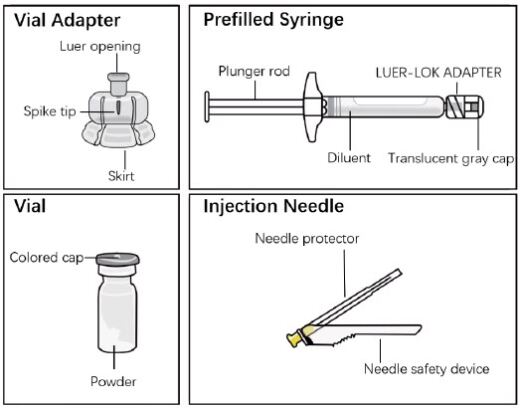 Rykindo Extended-release Microspheres🏭 Shandong Luye Pharmaceutical Co., Ltd.DailyMed
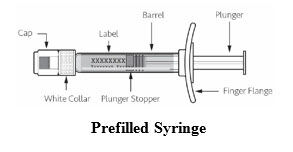 Uzedy🏭 Teva Pharmaceuticals USA, Inc.DailyMed
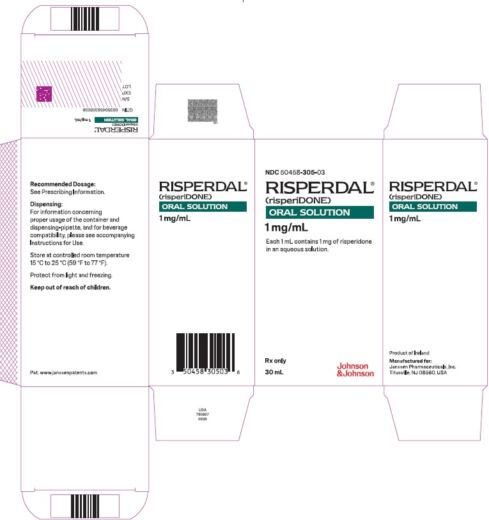 Risperdal🏭 Janssen Pharmaceuticals, Inc.DailyMed
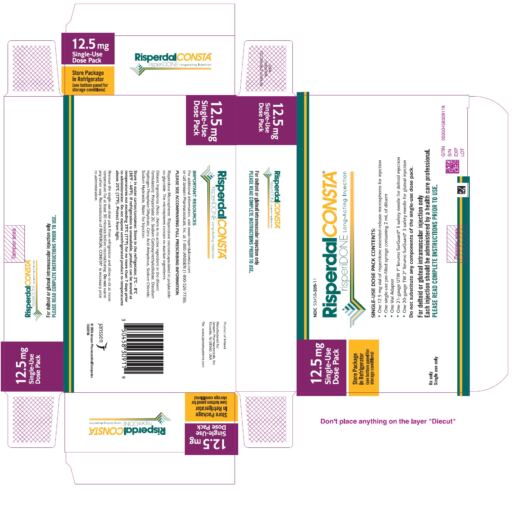 Risperdal Consta🏭 Janssen Pharmaceuticals, Inc.DailyMed
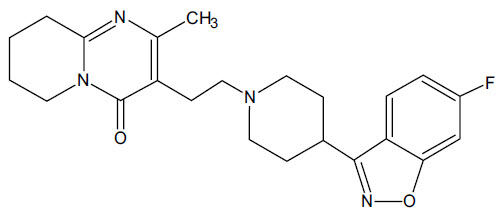 Risperidone🏭 Westminster Pharmaceuticals, LLCDailyMed
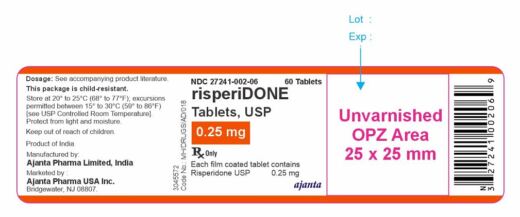 Risperidone🏭 Ajanta Pharma USA Inc.DailyMed
✅ What it is used for
- Treatment of schizophrenia in adults and adolescents (13 to 17 years)
- Treatment of acute manic or mixed episodes associated with Bipolar I Disorder, as monotherapy or as an add-on to lithium or valproate
- Treatment of irritability associated with autistic disorder in children and adolescents (5 to 17 years), including aggression towards others, deliberate self-injury, temper tantrums, and quickly changing moods
🧪 Active ingredient
The active ingredient is risperidone, an atypical antipsychotic of the benzisoxazole class. Its mechanism in schizophrenia is unclear; its activity may be mediated through dopamine Type 2 (D2) and serotonin Type 2 (5HT2) receptor antagonism. The clinical effect results from the combined concentrations of risperidone and its major metabolite, 9-hydroxyrisperidone (paliperidone).
🌿 Benefits
- Relief of schizophrenia symptoms
- Treatment of manic and mixed episodes in Bipolar I Disorder
- Reduction of irritability, aggression, self-injury, and tantrums in autistic disorder
📝 How to use
- Take by mouth, once or twice daily as directed by your doctor.
- Your doctor or pharmacist sets the dose based on your condition, age, and weight; treatment usually starts at a low dose that is increased gradually.
- Do not change the dose or stop the medicine on your own.
- If sleepiness persists, your doctor may advise splitting the daily dose into two.
💊 Dosage forms
- Film-coated tablets: 0.25 mg, 0.5 mg, 1 mg, 2 mg, 3 mg, 4 mg
⚠️ Common side effects
- Parkinsonism (tremor, stiffness)
- Akathisia (restlessness) and dystonia (muscle spasms)
- Sedation, drowsiness, dizziness, fatigue
- Anxiety and blurred vision
- Nausea, vomiting, upper abdominal pain, stomach discomfort, dyspepsia, diarrhea, constipation
- Increased salivation and dry mouth
- Increased appetite and weight gain
- Rash, nasal congestion, upper respiratory tract infection, nasopharyngitis, sore throat
🚨 Serious — seek medical help
- Increased risk of death in elderly patients with dementia-related psychosis
- Cerebrovascular events, including stroke, in elderly patients with dementia
- Neuroleptic malignant syndrome
- Tardive dyskinesia
- Hyperglycemia and diabetes mellitus, dyslipidemia, significant weight gain
- Hyperprolactinemia
- Orthostatic hypotension and falls
- Leukopenia, neutropenia, and agranulocytosis
- Seizures
- Dysphagia
- Priapism
- Disruption of body temperature regulation
- Hypersensitivity reactions including anaphylaxis and angioedema
⛔ Do not use if
- Known hypersensitivity to risperidone, paliperidone, or any excipient in the formulation
❗ Warnings & precautions
- Boxed warning: elderly patients with dementia-related psychosis treated with antipsychotics are at increased risk of death; risperidone is not approved for this use.
- Stop the medicine immediately and seek medical care if signs of neuroleptic malignant syndrome occur.
- Monitor blood glucose, weight, and lipids, especially in patients with diabetes or at risk for it.
- Complete blood counts are advised in patients with a history of clinically significant low white blood cell count.
- Use cautiously in patients with a history of seizures or conditions that lower the seizure threshold.
- May impair cognition and motor skills; use caution when operating machinery.
- May cause orthostatic hypotension; a lower starting dose and slower titration are considered for at-risk patients.
- May cause difficulty swallowing and disrupt body temperature regulation.
🔄 Drug interactions
- Carbamazepine and other enzyme inducers decrease risperidone levels; the dose may be increased up to double the usual dose, titrated slowly.
- Fluoxetine, paroxetine, and other CYP2D6 inhibitors increase risperidone levels; the initial dose is reduced and the final dose should not exceed 8 mg per day.
- No dose adjustment is needed with ranitidine, cimetidine, amitriptyline, or erythromycin.
- Risperidone did not affect lithium exposure in the cited study.
- Tell your doctor or pharmacist about all medicines you take.
🤰 Pregnancy
Neonates exposed to antipsychotics in the third trimester are at risk of extrapyramidal and/or withdrawal symptoms after delivery. Available epidemiologic data have not established a drug-associated risk of major birth defects or miscarriage, but untreated schizophrenia or bipolar I disorder and antipsychotic exposure carry risks for the mother. Consult your doctor before use or if you become pregnant, and do not stop the medicine on your own.
🍼 Breastfeeding
The label text provided does not include breastfeeding information. Consult your doctor or pharmacist before using this medicine while breastfeeding.
🧒 Children
Approved for schizophrenia in adolescents aged 13 to 17, bipolar manic or mixed episodes in ages 10 to 17, and irritability associated with autistic disorder in ages 5 to 17. Safety and effectiveness have not been established for schizophrenia in children under 13 or bipolar disorder under 10. The doctor sets the dose according to age and body weight.
👴 Older adults
A lower starting dose is generally recommended in elderly patients because of decreased clearance and a greater frequency of reduced hepatic, renal, or cardiac function. Elderly patients are more prone to orthostatic hypotension; limiting the initial dose to 0.5 mg twice daily with careful titration may reduce this risk. Monitoring renal function may be useful. Not approved for dementia-related psychosis.
🌡️ Storage
Store at 20°C to 25°C (68°F to 77°F). Protect from light and moisture. Keep in a tight, light-resistant container. Keep out of the reach of children.
⏰ Missed dose
The label text provided gives no specific instructions for a missed dose. Ask your doctor or pharmacist, and do not double the dose on your own.
🆘 Overdose
Overdose symptoms may include drowsiness, sedation, fast heart rate, low blood pressure, and extrapyramidal symptoms; prolonged QT interval and convulsions have also been reported. There is no specific antidote. Seek emergency care or contact a poison control center; treatment is supportive, including airway, oxygenation, and cardiac monitoring.
💰 Price & brands in your area
🏛️ Official price in Palestine — Ministry of Health price list:
| Product | Company | Pack | Price |
|---|---|---|---|
| RISPERIDEX TAB 2MG IL 30) Risperidone 2 mg | Alram Drug Store | 30 TAB | 51 ₪ |
📍 Find the nearest pharmacy
Your location is used only in your browser to show nearby pharmacies — we don't store it.
Open in Google Maps👨⚕️ For healthcare professionals
Mechanism of action
Benzisoxazole-derivative atypical antipsychotic with high affinity for 5HT2, D2, alpha-1 and alpha-2 adrenergic, and H1 histaminergic receptors; low-to-moderate affinity for 5HT1 receptors; no affinity for cholinergic muscarinic or beta-adrenergic receptors. Clinical effect reflects combined risperidone plus 9-hydroxyrisperidone concentrations. Absolute oral bioavailability is 70%; peak levels occur at about 1 hour (risperidone) and about 3 hours (9-hydroxyrisperidone) in extensive metabolizers.
Labeled dosing
Schizophrenia (adults): initial 2 mg/day, increase by 1 to 2 mg/day at intervals of 24 hours or more as tolerated, target 4 to 8 mg/day (effective range 4 to 16 mg/day). Doses above 6 mg/day given twice daily were not more efficacious and were associated with more extrapyramidal symptoms. Bipolar mania (adults): initial 2 to 3 mg/day, range 1 to 6 mg/day. Severe renal or hepatic impairment (adults): start at 0.5 mg twice daily, with increases above 1.5 mg twice daily at intervals of at least one week. The final dose is determined by the prescriber.
- Pediatric and autistic disorder dosing is weight- and age-based per the label table (e.g., adolescents with schizophrenia start at 0.5 mg/day, target 3 mg/day).
- With CYP3A/P-gp inducers (carbamazepine), titrate upward without exceeding twice the usual dose; with CYP2D6 inhibitors (fluoxetine, paroxetine), reduce the initial dose and do not exceed 8 mg/day.
- Monitor glucose, lipids, and weight; obtain CBC in patients with a history of low WBC; consider orthostatic vital signs in elderly patients.
- A pregnancy exposure registry exists for atypical antipsychotics: 1-866-961-2388.
🎓 Key points for students
- Atypical antipsychotic (EPC): D2 and 5HT2 antagonist.
- Major metabolite: 9-hydroxyrisperidone (paliperidone).
- Indications: schizophrenia, manic/mixed episodes of Bipolar I, irritability in autistic disorder.
- Boxed warning: increased mortality in elderly patients with dementia-related psychosis.
- Key warnings: NMS, tardive dyskinesia, metabolic changes, hyperprolactinemia, orthostatic hypotension, neutropenia, seizures.
- Interactions: carbamazepine lowers exposure (AUC ratio about 0.51); fluoxetine and paroxetine raise it (AUC ratio about 1.4 and 1.3 to 1.8).
- No specific antidote for overdose; management is supportive.
EME runs your whole clinic: appointments with WhatsApp reminders, patient files, finance & inventory, a patient portal and a members-price medical store — with your data isolated and protected.
Try EME free How we protect your data❓ FAQ
What is risperidone used for?
It treats schizophrenia, acute manic or mixed episodes of Bipolar I Disorder, and irritability associated with autistic disorder in children and adolescents.
Can I adjust the dose myself?
No. Your doctor or pharmacist sets the dose based on your condition, age, and weight. Do not change it or stop the medicine without medical advice.
What are the most common side effects?
Tremor, stiffness, restlessness, drowsiness, dizziness, weight gain, nausea, dry mouth, increased saliva, and constipation.
Can I drive or operate machinery?
The medicine may impair thinking and movement, so use caution when operating machinery until you know how it affects you.
Is it suitable for elderly patients with dementia?
No. It is not approved for dementia-related psychosis and may increase the risk of death and stroke in this group.
⚕️ For education only — not a substitute for advice from your doctor or pharmacist. Do not start or stop any medicine without advice. Source: official FDA drug label via openFDA (2026-04), simplified. Updated: 2026-11-11.