
💊 Quetiapine (Quetiapine Extended Release)
Quetiapine extended-release tablets are an atypical antipsychotic used to treat schizophrenia, manic/mixed and depressive episodes of bipolar disorder, and as add-on therapy with antidepressants in major depressive disorder. It is available by prescription only and must be used under medical supervision.
In Arabic: كويتيابين
🏷️ Brand names & manufacturers
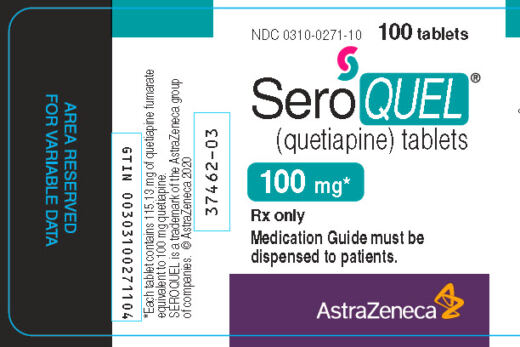 Seroquel🏭 AstraZeneca Pharmaceuticals LPDailyMed
 Seroquel Xr🏭 AstraZeneca Pharmaceuticals LPDailyMed
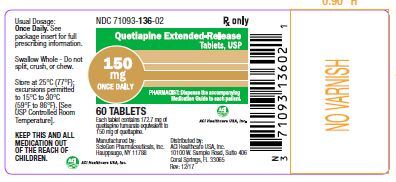 Quetiapine Extended Release🏭 ACI Healthcare USA, Inc.DailyMed
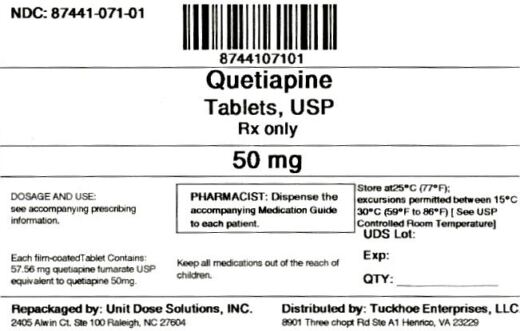 Quetiapine Fumarate🏭 Unit Dose Solutions, Inc.DailyMed
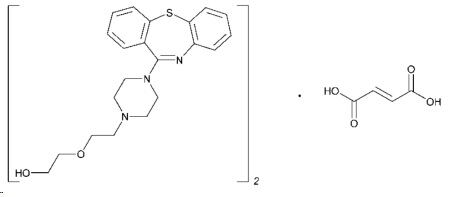 Quetiapine🏭 BluePoint LaboratoriesDailyMed
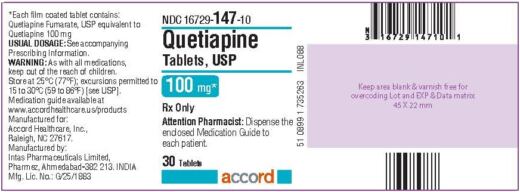 Quetiapine🏭 Accord Healthcare Inc.DailyMed
✅ What it is used for
- Treatment of schizophrenia
- Acute treatment of manic or mixed episodes of bipolar I disorder, as monotherapy or adjunct to lithium or divalproex
- Acute treatment of depressive episodes associated with bipolar disorder
- Maintenance treatment of bipolar I disorder as an adjunct to lithium or divalproex
- Adjunctive therapy with antidepressants in major depressive disorder
🧪 Active ingredient
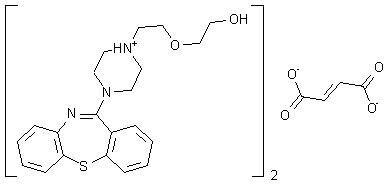
The active ingredient is quetiapine (as the fumarate salt). Its mechanism in the listed indications is unclear, but efficacy may be mediated through a combination of dopamine type 2 (D2) and serotonin type 2A (5HT2A) antagonism.
🌿 Benefits
- Helps control symptoms of schizophrenia
- Treats manic and depressive episodes of bipolar disorder
- Improves depressive symptoms when added to an antidepressant in major depressive disorder
📝 How to use
- Swallow tablets whole; do not split, chew or crush
- Take without food or with a light meal (about 300 calories)
- Take once daily, preferably in the evening
- Your doctor or pharmacist sets your dose; do not change it yourself
💊 Dosage forms
- Extended-release tablets: 50 mg, 150 mg, 200 mg, 300 mg, 400 mg
- Film-coated, capsule-shaped tablets
⚠️ Common side effects
- Somnolence
- Dry mouth
- Constipation
- Dizziness
- Increased appetite
- Dyspepsia
- Weight gain
- Fatigue
- Dysarthria
- Nasal congestion
- In children and adolescents: also nausea, vomiting and tachycardia
🚨 Serious — seek medical help
- Neuroleptic malignant syndrome (NMS)
- Tardive dyskinesia
- Hyperglycemia/diabetes, dyslipidemia and weight gain
- Hypotension and falls
- Increased blood pressure in children and adolescents
- Leukopenia, neutropenia and agranulocytosis
- Cataracts
- QT prolongation
- Seizures
- Hypothyroidism and hyperprolactinemia
- Dysphagia
- Suicidal thoughts and behaviors
- Severe allergic (anaphylactic) reactions
⛔ Do not use if
- Hypersensitivity to quetiapine or to any component of the formulation
❗ Warnings & precautions
- Boxed warning: increased risk of death in elderly patients with dementia-related psychosis; not approved for this use
- Boxed warning: increased risk of suicidal thoughts and behavior in children, adolescents and young adults with antidepressant use; monitor closely for worsening or emergence of suicidality and inform the prescriber
- Not approved in pediatric patients under 10 years of age
- Increased cerebrovascular adverse events (e.g., stroke) in elderly patients with dementia
- Monitor blood glucose, lipids and weight regularly
- Lens examination is recommended at start of treatment and every 6 months during chronic treatment
- Use caution in cardiovascular or cerebrovascular disease, urinary retention, prostatic hypertrophy or constipation
- May impair cognitive and motor performance; use caution when driving or operating machinery
- Alcoholic beverages should be limited, as quetiapine potentiates the cognitive and motor effects of alcohol
- Do not stop abruptly without consulting your doctor (discontinuation syndrome)
🔄 Drug interactions
- Strong CYP3A4 inhibitors (e.g., ketoconazole, itraconazole, indinavir, ritonavir, nefazodone): raise quetiapine exposure; dose should be reduced to one sixth
- Strong CYP3A4 inducers (e.g., phenytoin, carbamazepine, rifampin, St. John’s wort): lower quetiapine exposure; up to 5-fold dose increase may be needed, and dose must be reduced when the inducer is stopped
- Other centrally acting drugs: use caution
- Alcohol: potentiates cognitive and motor effects
- Other anticholinergic drugs: use with caution
🤰 Pregnancy
Neonates exposed to antipsychotics in the third trimester are at risk for extrapyramidal and/or withdrawal symptoms after delivery. Available epidemiologic data have not established a drug-associated risk of major birth defects, miscarriage or adverse maternal/fetal outcomes. Animal studies showed embryo-fetal toxicity. Consult your doctor before use in pregnancy; a pregnancy registry exists (National Pregnancy Registry for Atypical Antipsychotics, 1-866-961-2388).
🍼 Breastfeeding
The label text provided does not include breastfeeding information; consult your doctor or pharmacist.
🧒 Children
Safety and effectiveness are supported by studies for schizophrenia in adolescents (13–17 years) and bipolar mania in children and adolescents (10–17 years). Effectiveness for bipolar depression in patients under 18 has not been established. Blood pressure increases can occur in children and adolescents and should be monitored. Not approved under 10 years of age.
👴 Older adults
A lower starting dose (50 mg/day), slower titration and careful monitoring may be considered, as mean plasma clearance is reduced by 30–50% in elderly patients. Not approved for dementia-related psychosis because of increased mortality.
🌡️ Storage
Store at 25°C (77°F); excursions permitted to 15–30°C (59–86°F).
⏰ Missed dose
The provided label text does not include missed-dose instructions; ask your doctor or pharmacist and do not double the dose on your own.
🆘 Overdose
Overdose may cause marked drowsiness and sedation, tachycardia, hypotension and anticholinergic toxicity including coma and delirium; rare deaths have been reported. Seek emergency medical help immediately or contact a poison control center (1-800-222-1222 in the US).
💰 Price & brands in your area
Local prices are currently available for Palestine; more countries are coming. Ask your pharmacist for local price and alternatives.
📍 Find the nearest pharmacy
Your location is used only in your browser to show nearby pharmacies — we don't store it.
Open in Google Maps👨⚕️ For healthcare professionals
Mechanism of action
Efficacy may be mediated through combined D2 and 5HT2A antagonism. The active metabolite norquetiapine has similar D2 activity and greater 5HT2A activity than the parent drug. Elimination is mainly hepatic; mean terminal half-life is about 7 hours for quetiapine and about 12 hours for norquetiapine.
Labeled dosing
Dose is determined by the prescriber. General adult dosing per label (once daily, preferably evening, without food or with a light meal): Schizophrenia: initial 300 mg/day, recommended 400–800 mg/day, max 800 mg/day. Bipolar I manic/mixed: Day 1 300 mg, Day 2 600 mg, Day 3 400–800 mg; max 800 mg/day. Bipolar depression: Day 1 50, Day 2 100, Day 3 200, Day 4 300 mg/day (max 300). Adjunct in MDD: Days 1–2 50 mg, Day 3 150 mg, recommended 150–300 mg/day (max 300). Bipolar I maintenance (adjunct to lithium/divalproex): 400–800 mg/day. Elderly and hepatic impairment: start at 50 mg/day with slower titration. Strong CYP3A4 inhibitors: reduce to one sixth of dose; strong CYP3A4 inducers: increase up to 5-fold.
- Periodically reassess the need for maintenance treatment
- Monitor glucose, fasting lipids, weight, complete blood count and blood pressure (especially in children and adolescents)
- Lens examination at initiation and every 6 months
- Overdose: secure airway, continuous ECG monitoring and supportive care; poison control 1-800-222-1222
🎓 Key points for students
- Atypical antipsychotic, dibenzothiazepine derivative
- Mechanism: D2 and 5HT2A antagonism; active metabolite norquetiapine
- Boxed warning: increased mortality in elderly with dementia-related psychosis; suicidality
- Metabolic effects: hyperglycemia, dyslipidemia, weight gain
- Key interactions: CYP3A4 inhibitors and inducers require dose adjustment
EME runs your whole clinic: appointments with WhatsApp reminders, patient files, finance & inventory, a patient portal and a members-price medical store — with your data isolated and protected.
Try EME free How we protect your data❓ FAQ
What is quetiapine used for?
It is used for schizophrenia, manic and depressive episodes of bipolar disorder, and as add-on therapy to antidepressants in major depressive disorder, as decided by your doctor.
How should I take the tablets?
Swallow whole without splitting, chewing or crushing, once daily (preferably in the evening), without food or with a light meal, at the dose set by your doctor.
What are the most common side effects?
Somnolence, dry mouth, constipation, dizziness, increased appetite, weight gain and fatigue.
Can I drink alcohol while taking it?
Quetiapine potentiates the cognitive and motor effects of alcohol, so alcoholic beverages should be limited.
Is it approved for elderly patients with dementia?
No. It is not approved for dementia-related psychosis because of an increased risk of death in these patients.
Should I stop if I feel better?
Do not stop or change your dose without consulting your doctor.
⚕️ For education only — not a substitute for advice from your doctor or pharmacist. Do not start or stop any medicine without advice. Source: official FDA drug label via openFDA (2021-01), simplified. Updated: 2026-11-11.