
💊 Phenytoin (Phenytoin)
Phenytoin is an oral medicine prescribed to treat certain types of epileptic seizures. This leaflet covers the 50 mg chewable tablets. Your doctor sets the dose and may monitor blood levels, and it should never be stopped suddenly.
In Arabic: فينيتوين
🏷️ Brand names & manufacturers
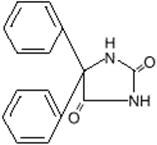 Dilantin Infatabs🏭 Parke-Davis Div of Pfizer IncDailyMed
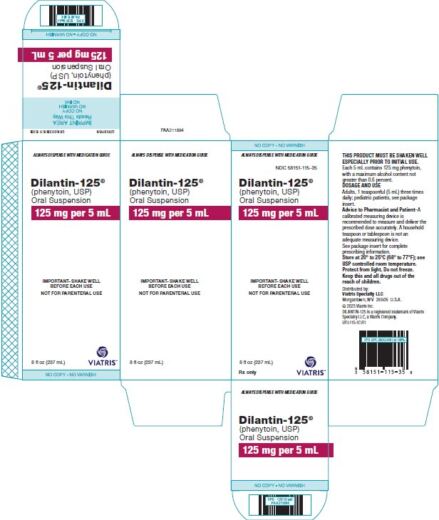 Dilantin-125🏭 Viatris Specialty LLCDailyMed
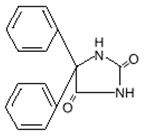 Phenytoin Infatabs🏭 NCS HealthCare of KY, LLC dba Vangard LabsDailyMed
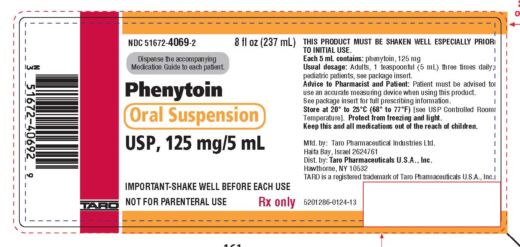 Phenytoin🏭 Sun Pharmaceutical Industries, Inc.DailyMed
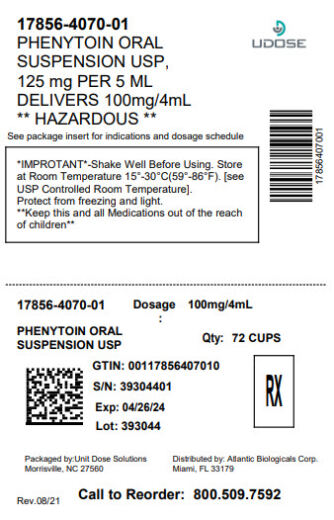 Phenytoin🏭 ATLANTIC BIOLOGICALS CORP.DailyMed
✅ What it is used for
- Treatment of generalized tonic-clonic (grand mal) seizures
- Treatment of complex partial (psychomotor, temporal lobe) seizures
- Prevention and treatment of seizures occurring during or following neurosurgery
🧪 Active ingredient
The active substance is phenytoin. It is thought to work by blocking voltage-dependent sodium channels in nerve cell membranes, reducing sustained high-frequency neuronal discharges that cause seizures.
🌿 Benefits
- Helps control generalized tonic-clonic and complex partial seizures
- Helps prevent seizures during or after neurosurgery
📝 How to use
- Chewable tablets are taken by mouth; they can be chewed thoroughly before swallowing or swallowed whole.
- Not for once-a-day dosing; the daily dose is divided as directed by your doctor.
- The dose is set by your doctor or pharmacist for each patient and must not be changed without consulting them.
- Your doctor may check blood levels of the drug to adjust the dose.
- It may take 7 to 10 days to reach steady blood levels, and dose changes should not be made at shorter intervals.
💊 Dosage forms
- 50 mg chewable tablets (yellow, round, scored)
⚠️ Common side effects
- Nystagmus (involuntary eye movements)
- Ataxia and decreased coordination
- Slurred speech
- Drowsiness and mental confusion
- Dizziness, vertigo, insomnia, nervousness, headache
- Nausea, vomiting, constipation
- Gum overgrowth (gingival hyperplasia) and enlargement of the lips
- Rash
🚨 Serious — seek medical help
- Serious skin reactions such as SJS/TEN (stop the drug at the first sign of rash and contact your doctor)
- DRESS/multiorgan hypersensitivity
- Angioedema: swelling of the face, around the mouth, or upper airway
- Cardiac effects including bradycardia and cardiac arrest
- Acute liver failure, toxic hepatitis, liver damage
- Blood disorders such as thrombocytopenia, leukopenia, agranulocytosis, pancytopenia
- Suicidal thoughts or behavior and mood changes
- Status epilepticus or increased seizures if stopped abruptly
- Hyperglycemia and effects on vitamin D and bone
⛔ Do not use if
- Hypersensitivity to phenytoin, its ingredients, or other hydantoins
- History of acute liver toxicity attributable to phenytoin
- Coadministration with delavirdine
❗ Warnings & precautions
- Do not stop suddenly; abrupt withdrawal may precipitate status epilepticus. Reduce or stop gradually under medical supervision.
- Monitor for depression, suicidal thoughts, or unusual changes in mood or behavior.
- Stop at the first sign of rash and contact your doctor.
- Slow heart rate and liver and blood problems can occur.
- May worsen porphyria and raise blood sugar.
- Patients with kidney or liver disease or low albumin may need monitoring of unbound phenytoin levels.
- A small dose increase can raise blood levels disproportionately and cause toxicity.
🔄 Drug interactions
- Highly protein-bound and metabolized mainly by CYP2C9 and CYP2C19; also a potent inducer of liver enzymes, so it affects many other drugs.
- Drugs that may increase phenytoin levels include azoles (fluconazole, ketoconazole), antidepressants (fluoxetine, sertraline), cimetidine, omeprazole, sulfonamides, amiodarone, isoniazid, warfarin, acute alcohol intake and others.
- Antacids (calcium carbonate, aluminum and magnesium hydroxide) may affect its absorption.
- Must not be used with delavirdine.
- Tell your doctor and pharmacist about all medicines you take; blood level monitoring may be needed.
🤰 Pregnancy
Exposure to phenytoin during pregnancy may increase the risk of birth defects (such as orofacial clefts and cardiac defects), fetal hydantoin syndrome, and other developmental problems. Seizure frequency may change during pregnancy. Talk to your doctor before planning or during pregnancy and do not stop the drug on your own. Pregnant patients are encouraged to enroll in the North American Antiepileptic Drug Pregnancy Registry (1-888-233-2334).
🍼 Breastfeeding
The label text provided does not include information on breastfeeding; consult your doctor or pharmacist.
🧒 Children
Pediatric starting dose is 5 mg/kg/day in two or three divided doses up to 300 mg daily, with maintenance usually 4 to 8 mg/kg/day. Children over 6 years and adolescents may need the minimum adult dosage (300 mg/day). The dose is always set by the doctor.
👴 Older adults
Phenytoin clearance tends to decrease with increasing age, so lower or less frequent dosing may be required as determined by the doctor.
🌡️ Storage
Store at 20° to 25°C (68° to 77°F) and protect from moisture. Keep out of the reach of children.
⏰ Missed dose
The label text provided does not give instructions for a missed dose; consult your doctor or pharmacist and do not double the dose on your own.
🆘 Overdose
Symptoms of overdose include nystagmus, ataxia, slurred speech, tremor, lethargy, blurred vision, nausea and vomiting, and may progress to coma, low blood pressure, bradycardia and cardiac arrest. There is no specific antidote; treatment is supportive. Seek emergency medical help immediately.
💰 Price & brands in your area
🏛️ Official price in Palestine — Ministry of Health price list:
| Product | Company | Pack | Price |
|---|---|---|---|
| EPANUTIN 100mg-100CAP PHENYTOIN SODIUM | Alram Drug Store | 100 CAP | 20 ₪ |
| DILANTIN125/5ml-ORAL SUSP. PHENYTOIN SODIUM | Alram Drug Store | ORAL SUSP | 159 ₪ |
📍 Find the nearest pharmacy
Your location is used only in your browser to show nearby pharmacies — we don't store it.
Open in Google Maps👨⚕️ For healthcare professionals
Mechanism of action
Thought to block voltage-dependent membrane sodium channels, reducing sustained high-frequency neuronal discharges. Metabolized mainly by CYP2C9 and to a lesser extent CYP2C19 via saturable metabolism; average half-life about 14 hours (range 7 to 29) for chewable tablets, with peak levels 1.5 to 3 hours after dosing.
Labeled dosing
Adults with no previous treatment: starting dose two 50 mg chewable tablets three times daily, adjusted as needed; usual maintenance six to eight tablets daily, up to a maximum of twelve daily. Pediatrics: 5 mg/kg/day in two or three divided doses up to 300 mg daily; maintenance 4 to 8 mg/kg/day. Not for once-a-day dosing. Effective total serum concentration is 10 to 20 mcg/mL (unbound 1 to 2 mcg/mL). Dose changes should not be made at intervals shorter than 7 to 10 days. Final dosing is determined by the prescriber.
- Saturable metabolism: a dosage increase of 10% or more may disproportionately raise serum levels and cause toxicity.
- In renal or hepatic disease or hypoalbuminemia, monitoring of unbound phenytoin concentrations may be more relevant.
- The free acid form (chewable tablets, suspension) differs from the sodium salt forms (capsules, parenteral); take care when switching between formulations.
- Contraindications: hypersensitivity to hydantoins, prior phenytoin hepatotoxicity, and delavirdine.
- Gradual withdrawal is required to avoid status epilepticus; in hypersensitivity reactions, substitute a non-hydantoin anticonvulsant.
🎓 Key points for students
- Class: antiepileptic; inducer of CYP1A2, 2B6, 2C8, 2C19, 2D6, 3A and 2C9.
- Saturable (non-linear) metabolism makes serum level monitoring important.
- High plasma protein binding makes it prone to competitive displacement.
- Most common dose-related adverse effects are neurologic: nystagmus, ataxia, slurred speech, somnolence.
- Characteristic effects include gingival hyperplasia and coarsening of facial features.
- Toxicity: nystagmus at about 20 mcg/mL, ataxia at 30, dysarthria and lethargy above 40.
- Fetal hydantoin syndrome with prenatal exposure.
EME runs your whole clinic: appointments with WhatsApp reminders, patient files, finance & inventory, a patient portal and a members-price medical store — with your data isolated and protected.
Try EME free How we protect your data❓ FAQ
What is phenytoin used for?
It is used to treat generalized tonic-clonic and complex partial seizures and to prevent and treat seizures during or after neurosurgery.
Can I stop phenytoin suddenly?
No. Abrupt withdrawal may precipitate status epilepticus. Stopping or reducing must be done gradually under your doctor's supervision.
How do I take the chewable tablets?
They can be chewed thoroughly before swallowing or swallowed whole, and are not for once-a-day dosing. Your doctor or pharmacist sets the dose.
What should I do if I get a rash?
Stop the medicine and contact your doctor right away, as a rash may signal a serious skin reaction.
Is phenytoin safe in pregnancy?
It may increase the risk of birth defects, so talk to your doctor before or during pregnancy and do not stop it on your own.
⚕️ For education only — not a substitute for advice from your doctor or pharmacist. Do not start or stop any medicine without advice. Source: official FDA drug label via openFDA (2026-04), simplified. Updated: 2026-11-11.