
💊 Paroxetine (Paroxetine)
Paroxetine is a prescription medicine used to treat major depressive disorder, obsessive compulsive disorder, and anxiety-related disorders. It is usually taken once daily in the morning, and your doctor determines the right dose for you. It carries a boxed warning about increased risk of suicidal thoughts and behavior in children, adolescents, and young adults.
In Arabic: باروكسيتين
🏷️ Brand names & manufacturers
Packages shown are US-market (DailyMed). Brands available in Palestine are in the price section below.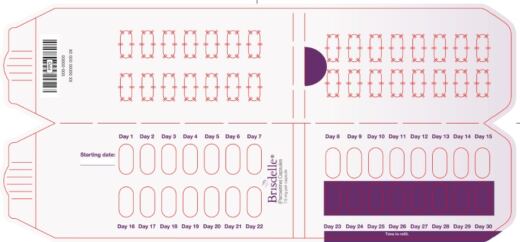 Brisdelle🏭 Legacy Pharma USA, Inc.
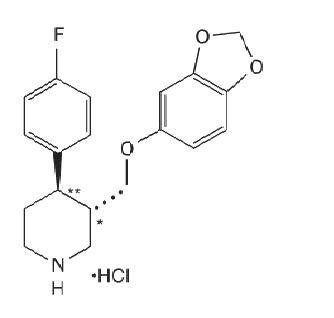 Paroxetine🏭 NCS HealthCare of KY, LLC dba Vangard Labs
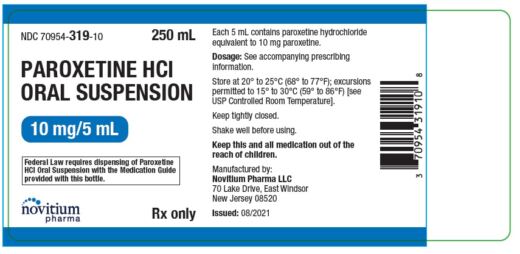 Paroxetine🏭 ANI Pharmaceuticals, Inc.
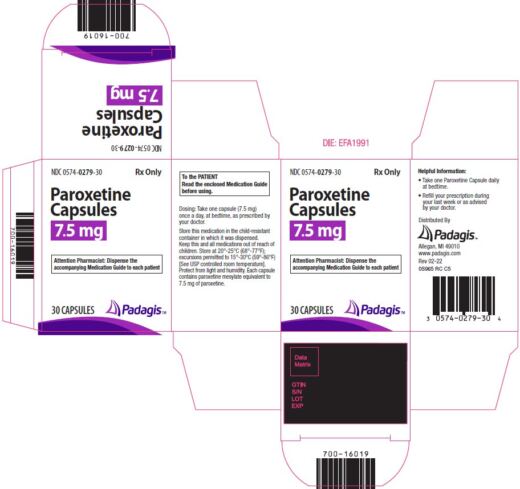 Paroxetine🏭 Padagis US LLC
✅ What it is used for
- Treatment of major depressive disorder
- Treatment of obsessive compulsive disorder (obsessions and compulsions)
- Treatment of panic disorder
- Treatment of social anxiety disorder
- Treatment of generalized anxiety disorder
- Treatment of posttraumatic stress disorder
🧪 Active ingredient
The active ingredient is paroxetine hydrochloride. It works by inhibiting neuronal reuptake of serotonin in the central nervous system, potentiating serotonergic activity, which is presumed to underlie its effect in depression and anxiety disorders.
🌿 Benefits
- Improves symptoms of major depressive disorder
- Reduces obsessions and compulsions in OCD
- Helps reduce panic attacks and anxiety symptoms
- Studies showed maintained response for up to 1 year in depression and lower relapse rates in OCD and panic disorder
📝 How to use
- Take once daily, with or without food, usually in the morning.
- Your doctor or pharmacist sets the dose that is right for you; do not change it yourself.
- The full effect of the medicine may be delayed.
- Do not stop suddenly without talking to your doctor, who may reduce the dose gradually.
- Your doctor will periodically reassess the need to continue treatment.
💊 Dosage forms
- Film-coated tablets 10 mg (yellow)
- Film-coated tablets 20 mg (pink)
- Film-coated tablets 30 mg (blue)
- Film-coated tablets 40 mg (pink)
⚠️ Common side effects
- Nausea
- Somnolence (drowsiness)
- Dizziness
- Insomnia
- Headache
- Dry mouth
- Constipation or diarrhea
- Sweating
- Tremor
- Asthenia (weakness)
- Decreased appetite
- Abnormal ejaculation
- Impotence
- Decreased libido
- Nervousness
🚨 Serious — seek medical help
- New or worsening suicidal thoughts or behavior, especially early in treatment or with dose changes
- Serotonin syndrome (especially with other serotonergic drugs)
- Hyponatremia (low blood sodium), particularly in elderly patients
- Increased bleeding risk with drugs that interfere with hemostasis
- Manic reactions or convulsions
- Hypersensitivity reactions
⛔ Do not use if
- Use of MAOIs intended to treat psychiatric disorders with paroxetine or within 14 days of stopping paroxetine, or starting paroxetine within 14 days of stopping such an MAOI
- Starting paroxetine in a patient being treated with linezolid or intravenous methylene blue
- Concomitant use with thioridazine
- Concomitant use with pimozide
- Hypersensitivity to paroxetine or any inactive ingredient in the tablets
❗ Warnings & precautions
- Boxed warning: antidepressants increased the risk of suicidal thinking and behavior in children, adolescents, and young adults (up to age 24) in short-term studies.
- All patients should be monitored closely for clinical worsening, suicidality, or unusual changes in behavior; families and caregivers should contact the prescriber promptly.
- Paroxetine is not approved for use in pediatric patients.
- Weight and growth should be monitored in children and adolescents treated with an SSRI.
- Concomitant use with tryptophan or other SSRIs/SNRIs is not recommended.
- Use caution with warfarin due to possible increased bleeding.
🔄 Drug interactions
- MAOIs (including linezolid and intravenous methylene blue): contraindicated due to risk of serotonin syndrome
- Thioridazine: contraindicated
- Pimozide: contraindicated (pimozide exposure increased markedly with paroxetine)
- Tryptophan: concomitant use not recommended
- Other serotonergic drugs (triptans, lithium, fentanyl, tramadol, amphetamines, St. John's Wort): use caution
- Other SSRIs/SNRIs: concomitant use not recommended
- Warfarin: use with caution due to possible increased bleeding
- Tell your doctor or pharmacist about all medicines you take
🤰 Pregnancy
Paroxetine is Pregnancy Category D. The risks and benefits should be discussed with your doctor before use during pregnancy; do not stop the medicine on your own.
🍼 Breastfeeding
Paroxetine is secreted in human milk; caution should be exercised when it is given to a nursing woman. Consult your doctor.
🧒 Children
Safety and effectiveness have not been established in pediatric patients, and paroxetine is not approved for this group; there is an increased risk of suicidal thoughts and behavior. Reported events in pediatric trials include emotional lability, hostility, decreased appetite, tremor, sweating, hyperkinesia, and agitation.
👴 Older adults
Elderly patients may be at greater risk of hyponatremia. Clearance is decreased in the elderly, so a lower starting dose is recommended; your doctor determines the appropriate dose.
🌡️ Storage
Store at 20° to 25°C (68° to 77°F); excursions permitted to 15° to 30°C (59° to 86°F). Keep out of reach of children.
⏰ Missed dose
The label does not give specific instructions for a missed dose; ask your doctor or pharmacist and do not double the dose without guidance.
🆘 Overdose
In case of overdose seek emergency medical help immediately. Reported symptoms include somnolence, coma, nausea, tremor, tachycardia, confusion, vomiting, and dizziness; convulsions, cardiac dysrhythmias, and serotonin syndrome may also occur. There is no specific antidote; treatment is supportive and symptomatic with monitoring of cardiac rhythm and vital signs, and induction of emesis is not recommended.
💰 Price & brands in your area
📍 Find the nearest pharmacy
Your location is used only in your browser to show nearby pharmacies — we don't store it.
Open in Google Maps👨⚕️ For healthcare professionals
Mechanism of action
Potent, selective inhibitor of neuronal serotonin (5-HT) reuptake with very weak effects on norepinephrine and dopamine reuptake and little affinity for muscarinic, alpha-adrenergic, beta-adrenergic, dopamine, and histamine receptors. Extensively metabolized, in part via CYP2D6, to essentially inactive metabolites. Mean elimination half-life is about 21 hours, with nonlinear pharmacokinetics at increasing doses. Clearance is decreased in the elderly.
Labeled dosing
General adult dosing per label (single daily dose in the morning, with or without food; adjust at intervals of at least 1 week): MDD: start 20 mg/day, increase in 10 mg increments to a maximum of 50 mg/day. OCD: start 20 mg/day, recommended dose 40 mg/day, maximum 60 mg/day. Panic disorder: start 10 mg/day, target 40 mg/day, maximum 60 mg/day. A lower starting dose is recommended in the elderly. Dose is individualized by the prescriber.
- Boxed warning: suicidality with antidepressants in children, adolescents, and young adults
- Contraindicated with MAOIs, thioridazine, pimozide, and in hypersensitivity
- Periodically re-evaluate long-term usefulness in patients on extended therapy
- Use caution with warfarin (possible pharmacodynamic interaction with increased bleeding)
- Monitor for hyponatremia, particularly in the elderly
- Pregnancy Category D
🎓 Key points for students
- Paroxetine is a selective serotonin reuptake inhibitor (SSRI).
- It is partly metabolized by CYP2D6 and inhibits this enzyme, hence the interaction with pimozide.
- Key contraindications: MAOIs, thioridazine, and pimozide.
- Boxed warning: increased suicidality in patients under 25 years.
- Half-life is about 21 hours; clearance is reduced in the elderly.
- Pregnancy Category D per the label.
EME runs your whole clinic: appointments with WhatsApp reminders, patient files, finance & inventory, a patient portal and a members-price medical store — with your data isolated and protected.
Try EME free How we protect your data❓ FAQ
What is paroxetine used for?
It is used to treat major depressive disorder, OCD, panic disorder, social anxiety disorder, generalized anxiety disorder, and PTSD, by prescription and under a doctor's supervision.
How long does it take to work?
The full effect of antidepressants may be delayed, so do not stop the medicine without consulting your doctor.
Can I stop paroxetine suddenly?
No, speak with your doctor first; they may reduce the dose gradually.
Is paroxetine safe for children and teenagers?
It is not approved for children and adolescents and may increase the risk of suicidal thoughts and behavior in this group and in young adults. Report any mood or behavior change to the doctor immediately.
Can it be taken with other medicines?
There are important interactions, especially with MAOIs, thioridazine, and pimozide (contraindicated) and other drugs requiring caution. Tell your doctor or pharmacist about everything you take.
What are the most common side effects?
Nausea, drowsiness, dizziness, insomnia, dry mouth, sweating, tremor, and sexual side effects.
⚕️ For education only — not a substitute for advice from your doctor or pharmacist. Do not start or stop any medicine without advice. Source: official FDA drug label via openFDA (2022-09), simplified. Updated: 2026-11-11.