
💊 Ondansetron (Ondansetron)
Ondansetron injection, given into a vein or muscle, is used to prevent nausea and vomiting caused by cancer chemotherapy and after surgery. It is administered by healthcare professionals, and your doctor or pharmacist determines the right dose for you.
In Arabic: أوندانسيترون (Ondansetron)
🏷️ Brand names & manufacturers
Packages shown are US-market (DailyMed). Brands available in Palestine are in the price section below.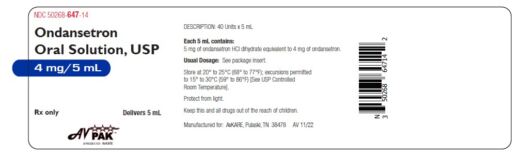 Ondansetron🏭 AvPAK
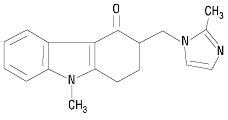 Ondansetron🏭 NorthStar Rx LLC
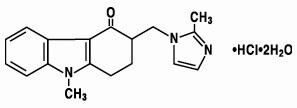 Ondansetron🏭 Apotex Corp.
✅ What it is used for
- Prevention of nausea and vomiting associated with initial and repeat courses of emetogenic cancer chemotherapy, including high-dose cisplatin (patients aged 6 months and older)
- Prevention of postoperative nausea and/or vomiting (patients aged 1 month and older)
- May be given to prevent further episodes in patients who did not receive prophylaxis and experience nausea/vomiting after surgery
🧪 Active ingredient
The active ingredient is ondansetron hydrochloride, a selective blocker of the serotonin 5-HT3 receptor that helps prevent nausea and vomiting. It is not a dopamine-receptor antagonist, and its mechanism of action has not been fully characterized.
🌿 Benefits
- Reduces nausea and vomiting associated with chemotherapy
- Helps prevent nausea and vomiting after surgery
📝 How to use
- Given as an injection into a vein or muscle by a healthcare professional; not for self-administration without medical supervision
- For chemotherapy: the injection must be diluted in 50 mL of 5% Dextrose Injection or 0.9% Sodium Chloride Injection and infused intravenously over 15 minutes, starting 30 minutes before chemotherapy
- For postoperative nausea/vomiting: dilution is not required before administration
- Your doctor or pharmacist sets the dose and schedule according to your condition, age and weight
💊 Dosage forms
- Injection solution 2 mg/mL in a 2 mL single-dose vial
- Injection solution 2 mg/mL in a 20 mL multiple-dose vial
⚠️ Common side effects
- Headache
- Diarrhea
- Fever
- Constipation (reported in chemotherapy patients receiving multiday ondansetron)
- Diarrhea in infants aged 1 to 24 months after surgery
🚨 Serious — seek medical help
- Hypersensitivity reactions including anaphylaxis and bronchospasm
- QT prolongation and rare cases of Torsade de Pointes
- Serotonin syndrome (altered mental status, autonomic instability, neuromuscular symptoms)
- Myocardial ischemia (chest pain)
- Rare reports: angina, hypotension, tachycardia, grand mal seizure, extrapyramidal-type reactions, hypokalemia, transient liver enzyme elevations
- Rash (about 1% of patients)
⛔ Do not use if
- Known hypersensitivity (e.g., anaphylaxis) to ondansetron or any component of the injection
- Concomitant use of apomorphine, due to reports of profound hypotension and loss of consciousness
❗ Warnings & precautions
- Hypersensitivity reactions have been reported in patients who showed hypersensitivity to other selective 5-HT3 receptor antagonists
- Avoid in patients with congenital long QT syndrome
- ECG monitoring is recommended in patients with electrolyte abnormalities (hypokalemia or hypomagnesemia), congestive heart failure, bradyarrhythmias, or taking other QT-prolonging medicines
- Serotonin syndrome risk, particularly with concomitant serotonergic drugs
- Myocardial ischemia: do not exceed the recommended infusion rate; monitor during and after administration
- May mask progressive ileus and/or gastric distension after abdominal surgery; monitor bowel activity, especially in those at risk of GI obstruction
- In severe hepatic impairment, the total daily dose should not exceed 8 mg
- After dilution, do not use beyond 24 hours; inspect for particulate matter and discoloration before administration
- Do not mix with solutions whose compatibility is not established, especially alkaline solutions
🔄 Drug interactions
- Apomorphine: contraindicated
- Serotonergic drugs (SSRIs, SNRIs, MAO inhibitors, mirtazapine, fentanyl, lithium, tramadol, intravenous methylene blue): risk of serotonin syndrome
- Tramadol: ondansetron may reduce its analgesic activity
- Phenytoin, carbamazepine and rifampin: increase ondansetron clearance and lower blood levels; no dosage adjustment recommended based on available data
- Inducers or inhibitors of CYP3A4, CYP2D6 and CYP1A2 may alter ondansetron clearance; no dosage adjustment recommended based on limited data
- Other QT-prolonging medicines: caution and monitoring required
- Tell your doctor or pharmacist about all medicines you take
🤰 Pregnancy
Published epidemiological studies have inconsistent findings and important methodological limitations that preclude conclusions about safety in pregnancy. Available postmarketing data have not identified a drug-associated risk of miscarriage or adverse maternal outcomes. Reproductive studies in rats and rabbits showed no evidence of fetal harm. Your doctor will decide whether the medicine is appropriate for you during pregnancy.
🍼 Breastfeeding
The label text provided does not include information on breastfeeding; consult your doctor before use while breastfeeding.
🧒 Children
Approved for prevention of chemotherapy-induced nausea and vomiting in patients aged 6 months and older, and for prevention of postoperative nausea and vomiting in patients aged 1 month and older. Little information is available for pediatric surgical patients younger than 1 month and pediatric cancer patients younger than 6 months. Clearance is slower and half-life about 2.5-fold longer in infants aged 1 to 4 months, so patients younger than 4 months should be closely monitored.
👴 Older adults
No overall differences in safety or effectiveness were observed between patients 65 years and older and younger patients, and no dosage adjustment is needed over age 65. Reduced clearance and longer half-life were seen in patients older than 75 years, and greater sensitivity in some older individuals cannot be ruled out.
🌡️ Storage
Store at 20°C to 25°C (68°F to 77°F); may also be stored in a refrigerator at 2°C to 8°C (36°F to 46°F). Retain in carton until time of use and protect from light. Keep out of the reach of children. After dilution, do not use beyond 24 hours.
⏰ Missed dose
This medicine is given by healthcare staff at scheduled times (for example, before chemotherapy and again 4 and 8 hours later). If a scheduled dose is missed, inform your doctor or nurse so they can decide what to do.
🆘 Overdose
There is no specific antidote for ondansetron overdose; patients should be managed with appropriate supportive therapy. Single intravenous doses as large as 150 mg and total daily intravenous doses as large as 252 mg have been inadvertently administered without significant adverse events. Reported events include transient 'sudden blindness' (2 to 3 minutes) with severe constipation, hypotension and faintness, and a vasovagal episode with transient second-degree heart block; all resolved completely. Pediatric cases consistent with serotonin syndrome have been reported after inadvertent oral overdoses, with complete recovery within 1 to 2 days. Seek medical help immediately if overdose is suspected.
💰 Price & brands in your area
🏛️ Official price in Palestine — Ministry of Health price list:
| Product | Company | Pack | Price |
|---|---|---|---|
| ONASET 4mg 10 TAB Ondansetron (as hydrochloride dihydrate) | Beit Jala | 10 tab | 110 ₪ |
| ONASET 8mg 10 TAB Ondansetron (as hydrochloride dihydrate) | Beit Jala | 10 tab | 150 ₪ |
📍 Find the nearest pharmacy
Your location is used only in your browser to show nearby pharmacies — we don't store it.
Open in Google Maps👨⚕️ For healthcare professionals
Mechanism of action
Ondansetron is a selective 5-HT3 receptor antagonist; it is not a dopamine-receptor antagonist, and its mechanism of action has not been fully characterized. It is metabolized by hepatic CYP450 enzymes (CYP3A4, CYP2D6, CYP1A2) and does not appear to induce or inhibit the cytochrome P-450 system. It prolongs the QT interval in a dose-dependent manner.
Labeled dosing
Dosing is determined by the treating clinician. Per the label for adults: for chemotherapy-induced nausea and vomiting, 0.15 mg/kg per dose for 3 doses (maximum 16 mg per dose), infused intravenously over 15 minutes after dilution in 50 mL of 5% Dextrose or 0.9% Sodium Chloride, beginning 30 minutes before chemotherapy and repeated 4 and 8 hours after the first dose. In severe hepatic impairment, do not exceed a total daily dose of 8 mg. For postoperative nausea/vomiting, dilution is not required; see the full prescribing information for detailed dosing.
- Avoid in congenital long QT syndrome; consider ECG monitoring with electrolyte abnormalities, CHF, bradyarrhythmias or other QT-prolonging drugs
- Concomitant apomorphine is contraindicated
- In the QTc study, maximum mean (95% upper bound) placebo-corrected QTcF difference was 19.5 (21.8) ms after 32 mg and 5.6 (7.4) ms after 8 mg over 15 minutes; the 8 mg dose did not prolong QT to any clinically relevant extent
- Model-predicted ΔΔQTcF: 14.0 ms for 24 mg and 9.1 ms for 16 mg infused over 15 minutes
- Monitor bowel activity after abdominal surgery, as ondansetron may mask progressive ileus or gastric distension
- No dosage adjustment recommended with potent CYP3A4 inducers (phenytoin, carbamazepine, rifampin) based on available data
- Transient AST/ALT elevations above twice the upper limit of normal occurred in about 5% of cisplatin patients, without symptomatic hepatic disease
🎓 Key points for students
- Class: selective 5-HT3 receptor antagonist (not a dopamine antagonist)
- Indications: chemotherapy-induced nausea/vomiting (from 6 months) and postoperative nausea/vomiting (from 1 month)
- Adult chemotherapy dosing: 0.15 mg/kg x 3 doses (max 16 mg/dose), 15-minute infusion, 30 minutes before chemotherapy then at 4 and 8 hours
- Maximum daily dose 8 mg in severe hepatic impairment
- Contraindications: hypersensitivity, apomorphine
- Key warnings: QT prolongation/Torsade de Pointes, serotonin syndrome, myocardial ischemia, masking of ileus
- Interaction with tramadol: its analgesic effect may be reduced
- Common adverse effects: headache, diarrhea, fever, constipation
- No specific antidote for overdose; treatment is supportive
EME runs your whole clinic: appointments with WhatsApp reminders, patient files, finance & inventory, a patient portal and a members-price medical store — with your data isolated and protected.
Try EME free How we protect your data❓ FAQ
What is ondansetron used for?
It is used to prevent nausea and vomiting caused by cancer chemotherapy and after surgery.
How is it given?
It is given as an injection into a vein or muscle by a healthcare professional. For chemotherapy, it is diluted and infused intravenously over 15 minutes.
What are the most common side effects?
Headache, diarrhea and fever; constipation may occur in people receiving it over several days.
Can it be used with other medicines?
It must not be used with apomorphine. Tell your doctor about all your medicines, especially antidepressants, tramadol and any medicines affecting heart rhythm, to avoid interactions.
When should I tell my doctor right away?
If you have signs of allergy (rash, swelling, difficulty breathing), chest pain, palpitations or fainting, or symptoms of serotonin syndrome.
⚕️ For education only — not a substitute for advice from your doctor or pharmacist. Do not start or stop any medicine without advice. Source: official FDA drug label via openFDA (2026-06), simplified. Updated: 2026-11-11.