
💊 Nitroglycerin (Nitroglycerin)
Nitroglycerin sublingual tablets are a nitrate vasodilator used for the acute relief of an attack, or acute prophylaxis, of angina pectoris due to coronary artery disease. The tablet is placed under the tongue or in the buccal pouch and allowed to dissolve without swallowing.
In Arabic: نيتروجليسرين (أقراص تحت اللسان)
🏷️ Brand names & manufacturers
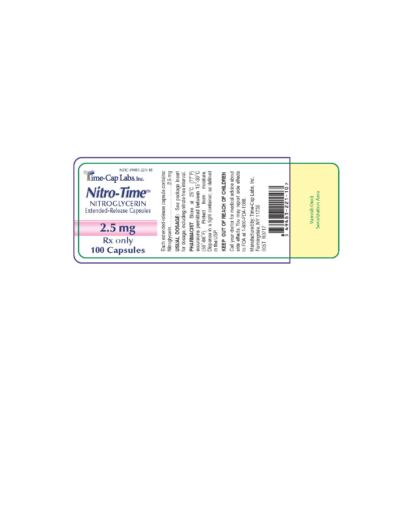 Nitro-time🏭 TIME CAP LABORATORIES, INCDailyMed
 Rectiv🏭 Allergan, Inc.DailyMed
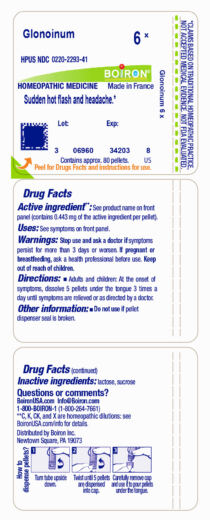 Glonoinum🏭 BoironDailyMed
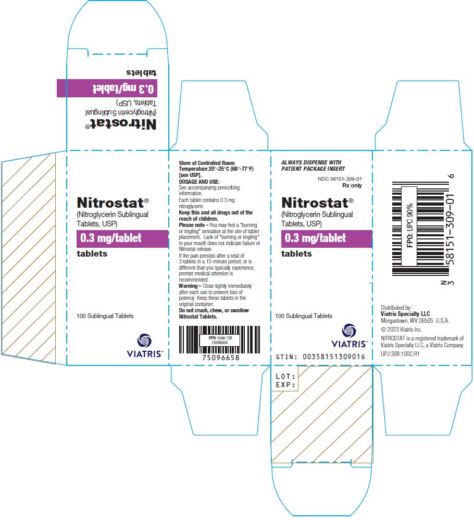 Nitrostat🏭 Viatris Specialty LLCDailyMed
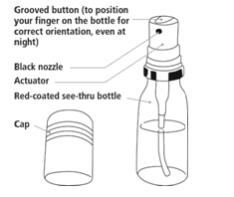 Nitrolingual🏭 INDEPENDENCE PHARMACEUTICALS, LLCDailyMed
✅ What it is used for
- Relief of an acute attack of angina pectoris due to coronary artery disease
- Acute prophylaxis of angina before activities that might precipitate an attack
🧪 Active ingredient
Nitroglycerin is an organic nitrate vasodilator. It forms nitric oxide, which activates guanylate cyclase and raises cyclic GMP in smooth muscle, leading to relaxation of the muscle and widening of blood vessels.
🌿 Benefits
- Rapid relief of an angina attack
- Can be used prophylactically before exertion
- Reduces myocardial oxygen demand and improves the supply-demand balance
📝 How to use
- The dose is set by your doctor or pharmacist; follow their instructions and do not change it on your own
- Place one tablet under the tongue or in the buccal pouch at the first sign of an acute angina attack and let it dissolve without swallowing
- Use at rest, preferably in the sitting position
- One additional tablet may be taken every 5 minutes until relief; no more than 3 tablets within 15 minutes are recommended
- If pain persists after a total of 3 tablets in 15 minutes, or if the pain is different from what you usually experience, seek prompt medical attention
- May be used prophylactically 5 to 10 minutes before activities that might precipitate an attack
- For dry mouth, a small sip of water before placing the tablet under the tongue may help it dissolve
💊 Dosage forms
- White, round, flat-faced sublingual tablets in strengths of 0.3 mg, 0.4 mg and 0.6 mg
⚠️ Common side effects
- Headache (may be severe, especially at the start of therapy, and usually subsides with continued use)
- Dizziness
- Paresthesia (tingling)
- Vertigo, weakness and palpitation, particularly when standing still
- Flushing
🚨 Serious — seek medical help
- Severe hypotension (nausea, vomiting, weakness, pallor, sweating, collapse or fainting)
- Syncope due to nitrate vasodilatation
- Drug rash and exfoliative dermatitis
- Paradoxical bradycardia with increased angina
- Hypersensitivity reactions
⛔ Do not use if
- Use of PDE-5 inhibitors such as avanafil, sildenafil, tadalafil or vardenafil
- Use of soluble guanylate cyclase stimulators such as riociguat
- Severe anemia
- Increased intracranial pressure (e.g., cerebral hemorrhage or traumatic brain injury)
- Hypersensitivity to nitroglycerin, other nitrates or nitrites, or any excipient
- Acute circulatory failure and shock
❗ Warnings & precautions
- Excessive use may lead to tolerance, so use only the smallest dose needed for relief
- Use of long-acting nitrates may decrease the effect of sublingual nitroglycerin
- Severe hypotension may occur, particularly on standing, and the risk is higher in constrictive pericarditis, aortic or mitral stenosis, volume depletion, or existing hypotension
- Nitrates may aggravate angina caused by hypertrophic cardiomyopathy
- Causes dose-related headaches
🔄 Drug interactions
- PDE-5 inhibitors (avanafil, sildenafil, tadalafil, vardenafil): contraindicated due to risk of severe hypotension, syncope or myocardial ischemia
- Soluble guanylate cyclase stimulators such as riociguat: contraindicated due to hypotension
- Ergotamine: increased bioavailability and may precipitate angina; avoid or monitor for ergotism
- High-dose aspirin (1000 mg): increases nitroglycerin exposure and may enhance its effects
- Tissue-type plasminogen activator (t-PA): intravenous nitroglycerin reduces t-PA levels and its thrombolytic effect
- Tell your doctor or pharmacist about all medicines you take
🤰 Pregnancy
Limited published data are insufficient to determine a drug-associated risk of major birth defects or miscarriage. Animal studies showed no adverse developmental effects at doses more than 64 times the human dose. Consult your doctor before use.
🍼 Breastfeeding
Sublingual nitroglycerin has not been studied in lactating women. It is not known whether it is present in human milk or affects milk production. Consult your doctor.
🧒 Children
The safety and effectiveness of nitroglycerin in pediatric patients have not been established.
👴 Older adults
Studies did not include enough patients aged 65 and over to determine whether they respond differently. In general, dose selection for an elderly patient should be cautious, usually starting at the low end of the range, because of greater frequency of decreased hepatic, renal or cardiac function and of concomitant disease or drug therapy.
🌡️ Storage
Store at controlled room temperature 20–25°C (68–77°F). Keep in the original glass container and tightly cap after each use to prevent loss of tablet potency.
⏰ Missed dose
This medicine is used as needed for an angina attack or before exertion, not on a fixed schedule. Follow your doctor's instructions.
🆘 Overdose
Overdose may cause severe hypotension, persistent throbbing headache, vertigo, palpitation, visual disturbance, nausea, vomiting, syncope and cyanosis (methemoglobinemia). Seek emergency medical help immediately; keep the patient recumbent and warm.
💰 Price & brands in your area
Local prices are currently available for Palestine; more countries are coming. Ask your pharmacist for local price and alternatives.
📍 Find the nearest pharmacy
Your location is used only in your browser to show nearby pharmacies — we don't store it.
Open in Google Maps👨⚕️ For healthcare professionals
Mechanism of action
Nitroglycerin forms nitric oxide, activating guanylate cyclase and increasing cGMP in smooth muscle, causing dephosphorylation of myosin light chains and vasodilatation. Venous effects predominate, reducing venous return and left ventricular end-diastolic pressure (preload); arteriolar relaxation reduces peripheral resistance and arterial pressure (afterload), and large epicardial coronary arteries dilate. Myocardial oxygen demand falls; systolic, diastolic and mean arterial pressure may decrease and heart rate is usually slightly increased.
Labeled dosing
General adult dosing per the label: one tablet sublingually or in the buccal pouch at the first sign of an acute anginal attack, allowed to dissolve without swallowing; one additional tablet may be given every 5 minutes until relief, with no more than 3 tablets in 15 minutes. If pain persists after 3 tablets or differs from usual, seek prompt medical attention. May be used prophylactically 5 to 10 minutes before precipitating activities. Administer at rest, preferably sitting. The final dose is determined by the prescriber or pharmacist.
- Xerostomia: a small sip of water before placing the tablet aids dissolution
- Overdose: treat hypotension by increasing central fluid volume, keep the patient recumbent in the shock position, give IV normal saline if needed, and administer oxygen and ventilation as necessary
- For methemoglobinemia, methylene blue 1% at 1–2 mg/kg IV may be required unless G-6-PD deficiency is known
- Gastric lavage may help if an excessive quantity was recently swallowed
- Epinephrine is ineffective for severe nitrate-induced hypotension and is not recommended for resuscitation
- No specific antagonist to the vasodilator effects of nitroglycerin is known
- Use of PDE-5 inhibitors within a few days of nitrates is not recommended as time course and dose dependence are unstudied
🎓 Key points for students
- Class: nitrate vasodilator
- Mechanism: NO → guanylate cyclase → increased cGMP → smooth muscle relaxation
- Venous effects exceed arterial, lowering preload then afterload
- Key contraindications: PDE-5 inhibitors, riociguat, severe anemia, raised intracranial pressure, shock
- Most common adverse effects: headache, dizziness, paresthesia, postural hypotension
- Tolerance can develop with excessive use
- Interacts with ergotamine, high-dose aspirin and t-PA
EME runs your whole clinic: appointments with WhatsApp reminders, patient files, finance & inventory, a patient portal and a members-price medical store — with your data isolated and protected.
Try EME free How we protect your data❓ FAQ
How do I use nitroglycerin sublingual tablets?
Place one tablet under the tongue or in the buccal pouch at the first sign of an angina attack and let it dissolve without swallowing, preferably while sitting. The dose is set by your doctor or pharmacist.
What should I do if chest pain does not go away?
One additional tablet may be used every 5 minutes, up to 3 tablets in 15 minutes. If pain persists after that, or is different from usual, seek prompt medical attention.
Can I take it with erectile dysfunction medicines?
No. It is contraindicated with PDE-5 inhibitors such as sildenafil, tadalafil, vardenafil and avanafil because of the risk of severe hypotension and fainting.
Is a headache after the tablet normal?
Headache is a common effect, especially at the start of therapy, and may be severe, but it usually subsides with continued use. Tell your doctor if it persists.
How should I store the tablets?
Keep them in the original glass container, tightly capped after each use, at room temperature 20–25°C, to preserve potency.
⚕️ For education only — not a substitute for advice from your doctor or pharmacist. Do not start or stop any medicine without advice. Source: official FDA drug label via openFDA (2024-10), simplified. Updated: 2026-11-11.