
💊 Nifedipine (Nifedipine)
Nifedipine extended-release tablets are used to treat high blood pressure, alone or together with other blood-pressure-lowering medicines. They are taken once daily and must be swallowed whole. Your doctor or pharmacist determines the right dose for you.
In Arabic: نيفيديبين
🏷️ Brand names & manufacturers
Packages shown are US-market (DailyMed). Brands available in Palestine are in the price section below.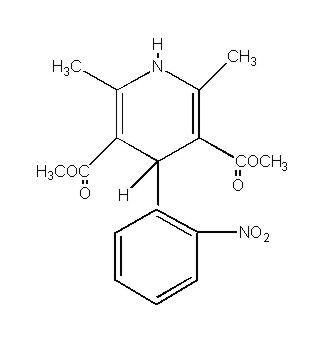 Procardia Xl🏭 Pfizer Laboratories Div Pfizer Inc
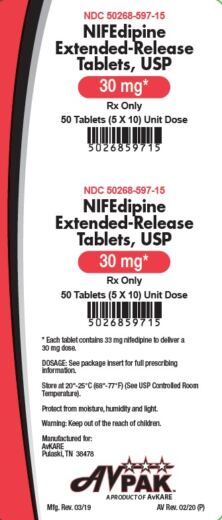 Nifedipine Er🏭 AvPAK
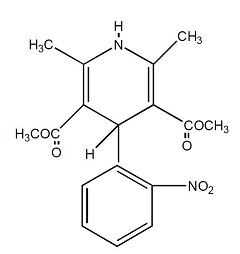 Nifedipine🏭 NCS HealthCare of KY, LLC dba Vangard Labs
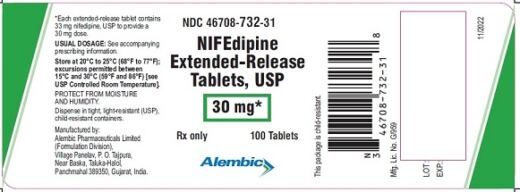 Nifedipine🏭 Alembic Pharmaceuticals Limited
✅ What it is used for
- Treatment of hypertension (high blood pressure), alone or in combination with other antihypertensive agents
🧪 Active ingredient
The active ingredient is nifedipine, a peripheral arterial vasodilator that blocks calcium entry into vascular smooth muscle cells, relaxing blood vessels, lowering peripheral resistance and reducing blood pressure.
🌿 Benefits
- Lowers elevated blood pressure
- Once-daily dosing thanks to the extended-release formulation
📝 How to use
- Take by mouth once daily on an empty stomach
- Swallow the tablet whole; do not bite or divide it because it is an extended-release form
- The dose is set by your doctor or pharmacist according to your needs; do not adjust it yourself
- Avoid grapefruit juice during treatment
- If treatment must be stopped, the dose should be reduced gradually under medical supervision
💊 Dosage forms
- Extended-release tablets: 30 mg, 60 mg, 90 mg
⚠️ Common side effects
- Peripheral edema (swelling of feet/ankles), dose-related
- Headache
- Flushing / heat sensation
- Dizziness
- Fatigue / weakness
- Nausea
- Constipation
🚨 Serious — seek medical help
- Excessive drop in blood pressure
- Increased angina or myocardial infarction (rare)
- Congestive heart failure (rare)
- Allergic reactions such as angioedema
- Fainting (syncope)
- Palpitations or heart rhythm disturbances
- Jaundice or allergic hepatitis (rare)
⛔ Do not use if
- Concomitant use with strong CYP3A inducers such as rifampin
- Cardiogenic shock
- Known hypersensitivity to any component of the tablet
❗ Warnings & precautions
- Excessive hypotension may occur, especially during initial titration or dose increase, and may be more likely with beta-blockers
- Angina frequency, duration or severity may increase, or myocardial infarction may occur, on starting or increasing the dose, particularly in patients with severe obstructive coronary artery disease
- When stopping a beta-blocker, taper its dose rather than stopping abruptly before starting nifedipine
- Heart failure has rarely developed after starting nifedipine (usually with a beta-blocker)
- If surgery with high-dose fentanyl anesthesia is planned, allow at least 36 hours for nifedipine washout if the patient's condition permits
- Avoid grapefruit juice
🔄 Drug interactions
- CYP3A inhibitors (e.g., ketoconazole, fluconazole, itraconazole, clarithromycin, erythromycin, nefazodone, fluoxetine, saquinavir, indinavir, nelfinavir, ritonavir, grapefruit) may increase nifedipine exposure; monitoring and dose adjustment may be needed
- Strong CYP3A inducers (e.g., rifampin, rifabutin, phenobarbital, phenytoin, carbamazepine, St. John's Wort) reduce efficacy; do not use with rifampin
- Quinidine can raise nifedipine levels and heart rate; monitor heart rate and adjust the dose if needed
- Other drugs affecting blood pressure may cause additive pharmacodynamic effects
- Beta-blockers may increase the likelihood of hypotension or heart failure
- IV magnesium sulfate requires careful blood pressure monitoring with nifedipine
🤰 Pregnancy
Pregnancy Category C. Animal studies showed embryotoxic, fetotoxic and teratogenic effects, and there are no adequate, well-controlled studies in pregnant women. Increased perinatal asphyxia, caesarean delivery, prematurity and intrauterine growth retardation have been reported. Blood pressure must be monitored carefully if combined with IV magnesium sulfate. Consult your doctor before use.
🍼 Breastfeeding
Nifedipine is excreted in human milk. Nursing mothers are advised not to breastfeed while taking the drug.
🧒 Children
The safety and effectiveness of nifedipine extended-release tablets in pediatric patients have not been established.
👴 Older adults
Clinical studies did not include enough patients aged 65 and over to determine whether they respond differently. Small pharmacokinetic studies showed increased half-life, Cmax and AUC. Dose selection should be cautious, usually starting at the low end of the range, given the greater frequency of reduced hepatic, renal or cardiac function and concomitant disease or drug therapy.
🌡️ Storage
Store at 20° to 25°C (68° to 77°F). Protect from light and moisture. Keep in a tight, light-resistant container.
⏰ Missed dose
The label does not give specific instructions for a missed dose; ask your doctor or pharmacist and do not double the dose on your own.
🆘 Overdose
Severe overdose may cause loss of consciousness, low blood pressure, heart rhythm disturbances, metabolic acidosis, hypoxia, and cardiogenic shock with pulmonary edema. Seek emergency medical care immediately.
💰 Price & brands in your area
📍 Find the nearest pharmacy
Your location is used only in your browser to show nearby pharmacies — we don't store it.
Open in Google Maps👨⚕️ For healthcare professionals
Mechanism of action
Nifedipine inhibits transmembrane calcium influx through voltage-dependent (and possibly receptor-operated) channels in vascular smooth muscle and cardiac muscle without changing serum calcium, causing peripheral arterial vasodilation, reduced peripheral vascular resistance and lower arterial pressure. It is completely absorbed orally; bioavailability of the extended-release tablet is 84-89% relative to immediate-release; plasma concentrations peak at about 2.5-5 hours with a second small peak at about 6-12 hours; elimination half-life is about 7 hours. It is mainly eliminated by CYP3A metabolism.
Labeled dosing
General adult dosing per label: titrate over 7-14 days starting at 30 mg once daily on an empty stomach, based on efficacy and safety. Usual maintenance dose is 30-60 mg once daily. Titration above 90 mg daily is not recommended. Tablets must be swallowed whole. Taper gradually on discontinuation. The dose is determined by the physician/pharmacist.
- Ensure the extended-release dosage form has been prescribed when dispensing
- Avoid grapefruit juice
- Peripheral edema is the most common adverse event and is dose-related (18% at 30 mg, 22% at 60 mg, 29% at 90 mg vs 10% placebo)
- Monitor blood pressure and heart rate at initiation, dose changes, and when adding CYP3A inhibitors or quinidine
- Dialysis is unlikely to help in overdose due to high protein binding; plasmapheresis may be beneficial
🎓 Key points for students
- Nifedipine is a dihydropyridine calcium channel blocker and peripheral arterial vasodilator
- The extended-release tablet has an outer coat releasing drug slowly and an inner core releasing it quickly
- Most common adverse effect is dose-related peripheral edema
- Metabolized by CYP3A; inhibitors raise levels, strong inducers (e.g., rifampin) reduce efficacy and are contraindicated
- Contraindicated in cardiogenic shock
- Grapefruit juice should be avoided
EME runs your whole clinic: appointments with WhatsApp reminders, patient files, finance & inventory, a patient portal and a members-price medical store — with your data isolated and protected.
Try EME free How we protect your data❓ FAQ
What is nifedipine used for?
It is used to treat high blood pressure, alone or with other antihypertensive medicines.
How do I take the extended-release tablets?
Once daily on an empty stomach, swallowed whole without biting or dividing, at the dose set by your doctor.
Can I drink grapefruit juice?
No, avoid it because it may increase the amount of drug in your body.
What are the most common side effects?
Swelling of the feet and ankles, headache, flushing, dizziness, fatigue, nausea and constipation.
Can I stop the medicine suddenly?
No, the dose should be reduced gradually under your doctor's supervision.
Can I use it while breastfeeding?
It passes into breast milk, so nursing mothers are advised not to breastfeed while taking it.
⚕️ For education only — not a substitute for advice from your doctor or pharmacist. Do not start or stop any medicine without advice. Source: official FDA drug label via openFDA (2024-01), simplified. Updated: 2026-11-11.