
💊 Mirtazapine (Mirtazapine)
Mirtazapine is a medicine used to treat major depressive disorder in adults. It is taken by mouth once daily, preferably in the evening before sleep. It is prescribed by a doctor, and it should not be started or stopped without consulting your doctor or pharmacist.
In Arabic: ميرتازابين
🏷️ Brand names & manufacturers
Packages shown are US-market (DailyMed). Brands available in Palestine are in the price section below.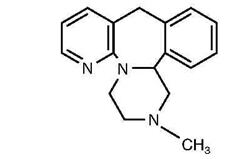 Remeronsoltab🏭 Organon LLC
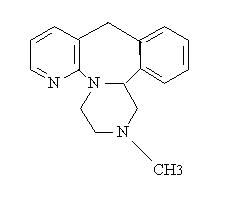 Mirtazapine🏭 NCS HealthCare of KY, Inc dba Vangard Labs
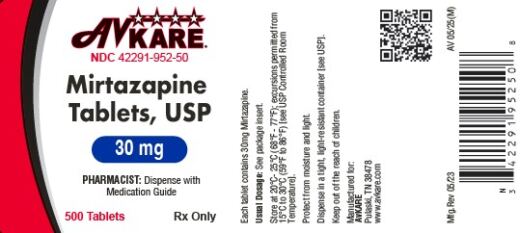 Mirtazapine🏭 AvKARE
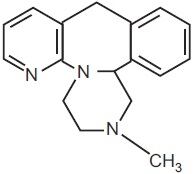 Mirtazapine🏭 Aurobindo Pharma Limited
✅ What it is used for
- Treatment of major depressive disorder (MDD) in adults
🧪 Active ingredient
The active ingredient is mirtazapine, a tetracyclic compound. Its mechanism in depression is unclear, but its effect may be mediated by antagonism of central α2-adrenergic autoreceptors and heteroreceptors, enhancing noradrenergic and serotonergic activity.
🌿 Benefits
- Treatment of symptoms of major depressive disorder in adults
📝 How to use
- The dose is set by your doctor or pharmacist for your condition; do not change it on your own.
- Taken by mouth once daily, preferably in the evening before sleep.
- Keep the tablet in its blister or container until ready to take it, and open it with dry hands.
- As soon as it is opened, place the whole tablet on the tongue and let it dissolve in saliva, then swallow; do not chew, crush, or split it.
- Once removed from the package the tablet cannot be stored and must be used immediately.
- When stopping, the dose must be reduced gradually under your doctor's supervision.
💊 Dosage forms
- Orally disintegrating tablets: 15 mg, 30 mg, and 45 mg
⚠️ Common side effects
- Somnolence (most common)
- Increased appetite
- Weight gain
- Dizziness
- Nausea
🚨 Serious — seek medical help
- Suicidal thoughts and behaviors (especially in adolescents and young adults)
- Agranulocytosis: sore throat, fever, stomatitis, or signs of infection with a low white blood cell count
- Serotonin syndrome
- Angle-closure glaucoma
- QT prolongation and Torsades de Pointes
- Severe skin reactions including DRESS, Stevens-Johnson syndrome, and toxic epidermal necrolysis
- Activation of mania/hypomania
- Seizures
- Hyponatremia
- Transaminase elevations
- Elevated cholesterol and triglycerides
- Discontinuation syndrome on abrupt stopping
⛔ Do not use if
- Taking MAOIs, or within 14 days of stopping them, including linezolid and intravenous methylene blue
- Known hypersensitivity to mirtazapine or any excipient in the tablets
❗ Warnings & precautions
- Boxed warning: antidepressants increased the risk of suicidal thoughts and behaviors in pediatric and young adult patients; monitor all patients closely for clinical worsening and emergence of suicidal thoughts.
- Not approved for use in pediatric patients.
- Screen for personal or family history of bipolar disorder, mania, or hypomania before starting.
- May cause somnolence and impair judgment, thinking, and motor skills; use caution when driving or operating machinery.
- Associated with increased appetite, weight gain, and elevated cholesterol/triglycerides.
- Use with caution in patients with seizure disorder, impaired hepatic function, or risk factors for QT prolongation.
- Tablets contain phenylalanine; relevant for patients with phenylketonuria.
- Gradual dose reduction is recommended when discontinuing.
🔄 Drug interactions
- MAOIs (e.g., selegiline, tranylcypromine, isocarboxazid, phenelzine, linezolid, methylene blue): contraindicated due to serotonin syndrome risk.
- Other serotonergic drugs (SSRIs, SNRIs, triptans, tricyclic antidepressants, fentanyl, lithium, amphetamines, St. John's Wort, tramadol, tryptophan, buspirone): increased risk of serotonin syndrome.
- Strong CYP3A inducers (e.g., phenytoin, carbamazepine, rifampin): decrease mirtazapine levels; a dose increase may be needed.
- Strong CYP3A inhibitors (e.g., ketoconazole, clarithromycin): may increase mirtazapine levels; a dose decrease may be needed.
- Cimetidine: a dose decrease may be needed.
- Other sedating drugs may add to drowsiness.
🤰 Pregnancy
Prolonged experience from observational studies and postmarketing reports has not reliably identified a drug-associated risk of major birth defects, miscarriage, or adverse maternal or fetal outcomes. In animal studies no teratogenic effects were seen, but at about 20 times the maximum recommended human dose there was increased postimplantation loss, pup deaths, and decreased pup birth weights. Untreated depression in pregnancy carries risks, and women who stop antidepressants during pregnancy are more likely to relapse. Consult your doctor before any decision. A pregnancy exposure registry monitors outcomes in women exposed to antidepressants.
🍼 Breastfeeding
The label text provided does not include breastfeeding information; consult your doctor or pharmacist.
🧒 Children
Safety and effectiveness have not been established in pediatric patients with MDD, and mirtazapine is not approved for this group. Antidepressants increased the risk of suicidal thoughts and behaviors in pediatric patients. In an 8-week pediatric trial, 49% of mirtazapine-treated patients gained at least 7% body weight versus 5.7% on placebo.
👴 Older adults
Use with caution in elderly patients: clearance is decreased and the drug is about 75% excreted by the kidney. Sedating drugs, including mirtazapine, may cause confusion and over-sedation, and elderly patients may be at greater risk of hyponatremia. Dose selection is usually conservative, starting at the low end of the range.
🌡️ Storage
Store at 20° to 25°C (68° to 77°F); excursions permitted to 15° to 30°C. Protect from light and moisture; keep the container tightly closed. Use the tablet immediately after removal from its blister or container.
⏰ Missed dose
The label text provided gives no specific instructions for a missed dose; ask your doctor or pharmacist and do not double the dose on your own.
🆘 Overdose
Reported signs include disorientation, drowsiness, impaired memory, and tachycardia. Serious outcomes, including fatalities, may occur at doses above those recommended, especially with mixed overdoses, and QT prolongation and Torsades de Pointes have been reported. There is no specific antidote. If overdose is suspected, contact Poison Control (1-800-222-1222) or seek medical help immediately.
💰 Price & brands in your area
🏛️ Official price in Palestine — Ministry of Health price list:
| Product | Company | Pack | Price |
|---|---|---|---|
| MIRO 30 Mirtazapine | OXYGEN MEDICAL COMPANY | 30 Tab | 40 ₪ |
📍 Find the nearest pharmacy
Your location is used only in your browser to show nearby pharmacies — we don't store it.
Open in Google Maps👨⚕️ For healthcare professionals
Mechanism of action
Mechanism in MDD is unclear; efficacy may be mediated via antagonism of central presynaptic α2-adrenergic autoreceptors and heteroreceptors, enhancing noradrenergic and serotonergic activity. It also antagonizes 5-HT2, 5-HT3, histamine H1, peripheral α1-adrenergic, and muscarinic receptors (explaining somnolence and orthostatic hypotension). Absolute bioavailability is about 50%, peak plasma concentration at about 2 hours, food has minimal effect, about 85% protein bound, and steady state is reached within 5 days.
Labeled dosing
General adult dosing per label: start at 15 mg once daily orally, preferably in the evening before sleep; if response is inadequate, increase up to a maximum of 45 mg/day, with dose changes not made at intervals of less than 1 to 2 weeks. The final dose is determined by the doctor/pharmacist.
- Screen for bipolar disorder, mania, or hypomania before initiating.
- At least 14 days must elapse between stopping an MAOI and starting mirtazapine, and between stopping mirtazapine and starting an MAOI.
- Dose increase may be needed with strong CYP3A inducers; decrease may be needed with strong CYP3A4 inhibitors or cimetidine.
- Dose decrease may be needed in moderate to severe renal impairment and in hepatic impairment.
- Reduce dose gradually when discontinuing.
- Not approved in pediatric patients.
🎓 Key points for students
- Class: tetracyclic antidepressant (piperazino-azepine group), racemic mixture.
- Approved indication: major depressive disorder in adults.
- Maximum recommended dose: 45 mg/day.
- Most common adverse reactions (≥5% and twice placebo): somnolence, increased appetite, weight gain, dizziness.
- Contraindications: MAOIs or within 14 days of stopping them; hypersensitivity.
- Boxed warning: suicidal thoughts and behaviors in adolescents and young adults.
- Key warnings: agranulocytosis, serotonin syndrome, QT prolongation, DRESS, angle-closure glaucoma, hyponatremia.
EME runs your whole clinic: appointments with WhatsApp reminders, patient files, finance & inventory, a patient portal and a members-price medical store — with your data isolated and protected.
Try EME free How we protect your data❓ FAQ
What is mirtazapine used for?
It is used to treat major depressive disorder in adults.
When should it be taken?
Preferably once daily in the evening before sleep, as directed by your doctor.
How do I take the orally disintegrating tablet?
Place the whole tablet on the tongue right after removing it from the package, let it dissolve without chewing, crushing, or splitting, then swallow.
Does it cause drowsiness and weight gain?
Yes, somnolence, increased appetite, and weight gain are among the most common side effects, so be careful when driving.
Can I stop it suddenly?
No, the dose should be reduced gradually under medical supervision to avoid discontinuation symptoms.
Can children take it?
No, mirtazapine is not approved for use in pediatric patients.
⚕️ For education only — not a substitute for advice from your doctor or pharmacist. Do not start or stop any medicine without advice. Source: official FDA drug label via openFDA (2025-07), simplified. Updated: 2026-11-11.