
💊 Metoprolol (Metoprolol Tartrate)
Metoprolol is an oral beta-blocker used to treat high blood pressure and angina pectoris, and to reduce the risk of cardiovascular death in hemodynamically stable patients with a heart attack. Your doctor or pharmacist determines the right dose for you.
In Arabic: ميتوبرولول (طرطرات الميتوبرولول)🏷️ Brand names & manufacturers
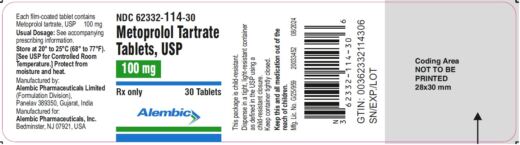 Metoprolol Tartrate🏭 Alembic Pharmaceuticals Inc.DailyMed
✅ What it is used for
- Treatment of hypertension to lower blood pressure and reduce the risk of fatal and non-fatal cardiovascular events, primarily strokes and myocardial infarctions
- Treatment of angina pectoris
- To reduce the risk of cardiovascular mortality, when used with intravenous metoprolol, in hemodynamically stable patients with definite or suspected acute myocardial infarction
🧪 Active ingredient
The active ingredient is metoprolol tartrate, a selective beta-1 adrenergic receptor blocker. It slows the heart rate, decreases AV nodal conduction, and reduces the heart's oxygen requirements.
🌿 Benefits
- Lowers blood pressure
- Long-term management of angina pectoris
- Reduces cardiovascular mortality risk after myocardial infarction
📝 How to use
- The dose and timing are set by your doctor or pharmacist; do not change it yourself
- Take the tablets with or immediately after a meal
- Do not stop the medicine suddenly without your doctor's advice; abrupt stopping can worsen angina or cause a heart attack
- When treatment is discontinued, the doctor reduces the dose gradually over 1 to 2 weeks
💊 Dosage forms
- 25 mg film-coated tablets, white to off-white (scored)
- 50 mg film-coated tablets, pink (scored)
- 100 mg film-coated tablets, blue (scored)
⚠️ Common side effects
- Tiredness and dizziness
- Depression
- Shortness of breath and slow heart rate
- Low blood pressure
- Diarrhea
- Itching or rash
- Headache, nightmares, insomnia
- Cold extremities and palpitations
🚨 Serious — seek medical help
- Severe bradycardia or heart block
- Worsening heart failure
- Worsening angina or myocardial infarction after abrupt discontinuation
- Wheezing and breathing difficulty (bronchospasm)
- Mental confusion and short-term memory loss
- Gangrene in patients with pre-existing severe peripheral circulatory disorders
⛔ Do not use if
- Severe bradycardia
- Second- or third-degree heart block
- Cardiogenic shock
- Systolic blood pressure <100
- Decompensated heart failure
- Sick sinus syndrome (unless a permanent pacemaker is in place)
- Hypersensitivity to any component of the product
❗ Warnings & precautions
- Do not stop suddenly, especially if you have coronary artery disease
- Heart failure may worsen during dose increases
- Patients with bronchospastic disease should in general not receive beta-blockers
- In pheochromocytoma, start an alpha blocker first
- Chronic beta-blocker therapy should not be routinely withdrawn before surgery
- May mask symptoms of hypoglycemia in diabetic patients
- Abrupt withdrawal in thyrotoxicosis may precipitate a thyroid storm
- May aggravate symptoms of arterial insufficiency in peripheral vascular disease
- Consider starting at low doses in hepatic impairment
🔄 Drug interactions
- Catecholamine-depleting drugs (e.g., reserpine, MAO inhibitors): additive effect, risk of hypotension and marked bradycardia
- Epinephrine: patients may be unresponsive to usual doses used for allergic reactions
- Strong CYP2D6 inhibitors (quinidine, fluoxetine, paroxetine, propafenone): about double metoprolol concentrations
- Digitalis glycosides, clonidine, diltiazem, verapamil: increased risk of bradycardia
- Clonidine: beta-blockers may exacerbate rebound hypertension after clonidine withdrawal
🤰 Pregnancy
Published observational studies have not shown an association with adverse developmental outcomes, but metoprolol crosses the placenta and neonates may be at risk for hypotension, hypoglycemia, bradycardia, and respiratory depression and should be observed. Consult your doctor before use during pregnancy.
🍼 Breastfeeding
The provided label text does not include information on use during breastfeeding. Consult your doctor or pharmacist.
🧒 Children
Safety and effectiveness have not been established in pediatric patients.
👴 Older adults
No overall differences in response were identified between elderly and younger patients, but a low initial starting dose is generally advised given the greater frequency of decreased hepatic, renal, or cardiac function and concomitant disease or drug therapy.
🌡️ Storage
Store at 20° to 25°C (68° to 77°F). Protect from moisture and heat. Keep in a tight, light-resistant container with a child-resistant closure.
⏰ Missed dose
The provided label text does not give instructions for a missed dose. Ask your doctor or pharmacist and do not double the dose on your own.
🆘 Overdose
Overdose may cause severe bradycardia, hypotension, and cardiogenic shock; presentation can also include AV block, heart failure, bronchospasm, hypoxia, impaired consciousness/coma, nausea and vomiting. Seek emergency medical care immediately.
💰 Price & brands in your area
🏛️ Official price in Palestine — Ministry of Health price list:
| Product | Company | Pack | Price |
|---|---|---|---|
| NEOBLOC 100 mg Metoprolol | OXYGEN MEDICAL COMPANY | 30 Tab | 16 ₪ |
📍 Find the nearest pharmacy
Your location is used only in your browser to show nearby pharmacies — we don't store it.
Open in Google Maps👨⚕️ For healthcare professionals
Mechanism of action
Beta-1 selective (cardioselective) adrenergic receptor blocker without intrinsic sympathomimetic activity; selectivity is not absolute and at higher plasma concentrations beta-2 receptors are also inhibited. It slows sinus rate, decreases AV nodal conduction, and reduces myocardial oxygen demand. The precise antihypertensive mechanism is not elucidated; proposed mechanisms include decreased cardiac output, reduced central sympathetic outflow, and suppression of renin activity.
Labeled dosing
Dose is set by the doctor/pharmacist. Per the label, general adult dosing: Hypertension: initial 100 mg daily in single or divided doses, adjusted at weekly or longer intervals; effective range 100-450 mg/day. Angina: initial 100 mg daily in two divided doses, increased at weekly intervals; effective range 100-400 mg/day. Myocardial infarction: after the full intravenous dose, 50 mg every 6 hours for 48 hours, then titrate to maintenance 100 mg twice daily for at least 3 months. Take with or immediately after meals; taper over 1-2 weeks when discontinuing.
- Most common adverse reactions: tiredness, dizziness, depression, shortness of breath, bradycardia, hypotension, diarrhea, pruritus, rash
- Overdose management: atropine, adrenergic drugs or pacemaker for bradycardia; dopamine or norepinephrine for hypotension; glucagon for heart failure and shock; bronchodilators for bronchospasm
- Hemodialysis is unlikely to contribute to metoprolol elimination
- Pregnancy: observe neonates for hypotension, hypoglycemia, bradycardia, and respiratory depression
- Published literature indicates beta-blockers may cause erectile dysfunction and inhibit sperm motility
- With clonidine: withdraw the beta-blocker several days before gradual clonidine withdrawal
🎓 Key points for students
- Metoprolol is a beta-1 selective blocker with no intrinsic sympathomimetic activity
- Selectivity is relative and lost at higher concentrations, affecting beta-2 receptors
- Contraindications: severe bradycardia, 2nd/3rd-degree heart block, cardiogenic shock, SBP <100, decompensated heart failure, sick sinus syndrome without pacemaker
- Abrupt cessation can worsen angina and cause MI; taper over 1-2 weeks
- Strong CYP2D6 inhibitors roughly double its concentration
- May mask hypoglycemia symptoms in diabetics
EME runs your whole clinic: appointments with WhatsApp reminders, patient files, finance & inventory, a patient portal and a members-price medical store — with your data isolated and protected.
Try EME free How we protect your data❓ FAQ
What is metoprolol used for?
It is used for hypertension, angina pectoris, and to reduce cardiovascular death risk after a heart attack in hemodynamically stable patients.
How should I take it?
Your doctor or pharmacist sets the dose; take the tablets with or immediately after a meal.
Can I stop it suddenly?
No. Abrupt stopping can worsen angina or cause a heart attack. Ask your doctor to reduce the dose gradually.
What are the common side effects?
Tiredness, dizziness, depression, shortness of breath, slow heart rate, low blood pressure, diarrhea, itching or rash.
Is it safe for children?
Safety and effectiveness have not been established in children.
Does it affect people with diabetes?
It may mask symptoms of low blood sugar, so talk to your doctor.
⚕️ For education only — not a substitute for advice from your doctor or pharmacist. Do not start or stop any medicine without advice. Source: official FDA drug label via openFDA (2026-08), simplified. Updated: 2026-11-10.