
💊 Methylphenidate (Daytrana)
Daytrana is a transdermal patch containing methylphenidate, a CNS stimulant used to treat Attention Deficit Hyperactivity Disorder (ADHD) in children and adolescents aged 6 to 17 years. It is prescription-only and has a high potential for abuse, misuse, and addiction, so it must be used under close medical supervision.
In Arabic: ميثيل فينيديت (لصقة جلدية - دايترانا)
🏷️ Brand names & manufacturers
Packages shown are US-market (DailyMed). Brands available in Palestine are in the price section below.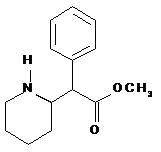 Daytrana🏭 Noven Therapeutics, LLC
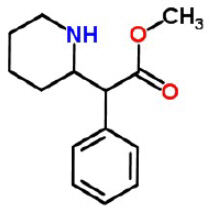 Cotempla Xr-odt🏭 Neos Therapeutics Brands, LLC
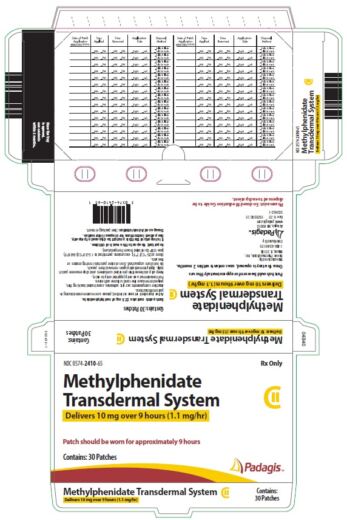 Methylphenidate Transdermal System🏭 PADAGIS US LLC
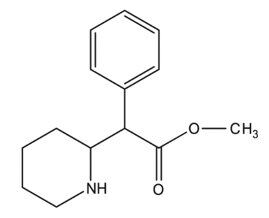 Methylphenidate🏭 Mylan Pharmaceuticals Inc.
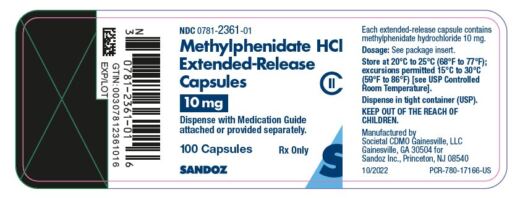 Methylphenidate🏭 Sandoz Inc
✅ What it is used for
- Treatment of ADHD in pediatric patients 6 to 17 years of age
- Not recommended in children younger than 6 years
🧪 Active ingredient
Methylphenidate: a CNS stimulant. Its mode of therapeutic action in ADHD is not known; it blocks the reuptake of norepinephrine and dopamine into the presynaptic neuron and increases their release into the extraneuronal space.
🌿 Benefits
- Treats ADHD symptoms in children and adolescents aged 6 to 17
- Wear time can be shortened per the prescriber's direction to adjust duration of effect
📝 How to use
- The dose and wear time are set by the doctor or pharmacist and must not be changed without consulting them
- Apply to the hip area 2 hours before an effect is needed and remove 9 hours after application
- May be removed earlier than 9 hours if a shorter effect is desired or late-day side effects appear, as directed by the doctor
- Apply to a clean, dry, non-oily, undamaged, non-irritated area of the hip, avoiding the waistline where clothing may rub the patch off
- Use the opposite hip at a new site the next morning if possible
- Parents or caregivers should apply and remove the patch for children; responsible adolescents may do so themselves if appropriate
- Use the administration chart supplied in each carton to track application and removal time and disposal
- If the patch is damaged, torn, or adhesive transfers to the liner, discard it and use a new patch
💊 Dosage forms
- Transdermal system 10 mg/9 hours (1.1 mg/hr), 12.5 cm²
- 15 mg/9 hours (1.6 mg/hr), 18.75 cm²
- 20 mg/9 hours (2.2 mg/hr), 25 cm²
- 30 mg/9 hours (3.3 mg/hr), 37.5 cm²
- Supplied as a tray of 30 individually pouched systems
⚠️ Common side effects
- Decreased appetite
- Insomnia
- Nausea
- Vomiting
- Weight decrease
- Tics
- Affect lability (mood swings)
- Anorexia
- Dizziness and abdominal pain (adolescents)
- Redness (erythema) at the application site (very common)
🚨 Serious — seek medical help
- Abuse, misuse, and addiction, which can result in overdose and death
- Serious cardiac problems, increased blood pressure and heart rate
- New psychotic or manic symptoms
- Seizures
- Prolonged or painful erections (priapism) requiring immediate medical attention
- Peripheral vasculopathy including Raynaud's phenomenon
- Long-term growth suppression in children
- Chemical leukoderma (persistent loss of skin pigmentation) at or away from the application site
- Contact sensitization (edema, papules, vesicles not improving within 48 hours or spreading beyond the patch site)
- Acute angle closure glaucoma and increased intraocular pressure
- New or worsened motor and verbal tics and Tourette's syndrome
⛔ Do not use if
- Known hypersensitivity to methylphenidate or other components (polyester/ethylene vinyl acetate laminate film backing, acrylic adhesive, silicone adhesive, fluoropolymer-coated polyester)
- Current use of, or use within 14 days of, a monoamine oxidase inhibitor (MAOI) because hypertensive crisis may result
❗ Warnings & precautions
- High potential for abuse, misuse, and addiction; the prescriber assesses risk before and during treatment, and the drug must be stored securely and unused patches disposed of properly
- Avoid use in patients with known structural cardiac abnormalities, cardiomyopathy, serious arrhythmias, coronary artery disease, or other serious cardiac disease
- Monitor blood pressure and pulse
- Screen for manic episode risk factors before starting; consider discontinuing if new psychotic or manic symptoms occur
- Stimulants may lower the convulsive threshold; discontinue if seizures occur
- Monitor height and weight in children; treatment may need interruption if growth or weight gain is not as expected
- Monitor for skin depigmentation and discontinue if it occurs
- Avoid exposing the patch to external heat
- Family history and clinical evaluation for tics or Tourette's syndrome before starting
- Hematologic and eye (glaucoma, intraocular pressure) monitoring as directed by the doctor
🔄 Drug interactions
- MAOIs: contraindicated during treatment and within 14 days of stopping, due to risk of hypertensive crisis (death, stroke, myocardial infarction, aortic dissection, ophthalmological complications, eclampsia, pulmonary edema, renal failure)
- Antihypertensive drugs: effectiveness may be decreased; monitor blood pressure and adjust dose
- Coumarin anticoagulants, anticonvulsants (phenobarbital, phenytoin, primidone), some tricyclic antidepressants and SSRIs: methylphenidate may inhibit their metabolism; downward dose adjustment, plasma level monitoring, or coagulation time monitoring may be needed
- Halogenated anesthetics: may increase risk of sudden blood pressure and heart rate increase during surgery; avoid use on the day of surgery
- Risperidone: may increase risk of extrapyramidal symptoms when either dose is changed; monitor for EPS
🤰 Pregnancy
Published studies and post-marketing reports are insufficient to identify a drug-associated risk of major birth defects or miscarriage. CNS stimulants can cause vasoconstriction and decrease placental perfusion; premature delivery and low birth weight have been reported in amphetamine-dependent mothers. In animal oral studies, spina bifida was seen in rabbits at 200 mg/kg/day. A pregnancy exposure registry for ADHD medications exists (1-866-961-2388). Consult the doctor before use.
🍼 Breastfeeding
The provided label text contains no information on breastfeeding. Consult your doctor or pharmacist.
🧒 Children
Indicated for ages 6 to 17. Not recommended under 6 years because of higher plasma exposure and a higher incidence of adverse reactions such as weight loss. Height and weight should be monitored; treatment may need to be interrupted if a child is not growing or gaining weight as expected.
👴 Older adults
Daytrana has not been studied in patients older than 65 years.
🌡️ Storage
Store at 25 °C (77 °F); excursions permitted to 15-30 °C (59-86 °F). Do not store patches unpouched, in a refrigerator, or in a freezer. Use contents within 2 months of opening the sealed tray. Apply immediately after removing from the pouch. For transdermal use only. Keep out of reach of children and dispose of unused or expired patches properly as instructed by the pharmacist.
⏰ Missed dose
The label text does not give specific instructions for a missed dose. Ask the doctor or pharmacist and do not apply extra patches to make up for a missed one.
🆘 Overdose
Overdose may cause arrhythmias, hypertension or hypotension, agitation, confusion, hallucinations, seizures, and life-threatening hyperthermia. Remove all patches immediately and cleanse the skin of remaining adhesive; absorption may continue after removal. Seek emergency care or contact Poison Help (1-800-222-1222).
💰 Price & brands in your area
Local prices are currently available for Palestine; more countries are coming. Ask your pharmacist for local price and alternatives.
📍 Find the nearest pharmacy
Your location is used only in your browser to show nearby pharmacies — we don't store it.
Open in Google Maps👨⚕️ For healthcare professionals
Mechanism of action
Methylphenidate is a racemic mixture of d- and l-enantiomers; the d-enantiomer is more pharmacologically active. It blocks reuptake of norepinephrine and dopamine into the presynaptic neuron and increases their release into the extraneuronal space. Mode of therapeutic action in ADHD is not known.
Labeled dosing
Recommended starting dose for new patients or those converting from another methylphenidate formulation is 10 mg (12.5 cm², 1.1 mg/hr). Titrate weekly if response is not maximized: 15 mg, 20 mg, then 30 mg/9 hours. Apply to the hip 2 hours before the effect is needed and remove after 9 hours; may be removed earlier. Dose and wear time are individualized to patient response. The dose is determined by the doctor or pharmacist.
- Pretreatment screening: cardiac disease (history, family history of sudden death or ventricular arrhythmia, physical exam) and family history/clinical evaluation for motor or verbal tics or Tourette's syndrome
- Boxed warning: high potential for abuse, misuse, and addiction, with risk of overdose and death; assess risk before prescribing, reassess throughout treatment, and educate patients and families on storage and disposal
- Common adverse reactions at ages 6-12 (≥5% and twice placebo): decreased appetite, insomnia, nausea, vomiting, weight decreased, tic, affect lability, anorexia; at ages 13-17: decreased appetite, nausea, insomnia, weight decreased, dizziness, abdominal pain, anorexia
- Most common adverse reaction leading to discontinuation (≥2%) in trials: application site reactions
- Suspect contact sensitization if erythema is accompanied by edema, papules, or vesicles not improving within 48 hours or spreading beyond the patch site; erythema alone is common and not an indication of sensitization
- Chemical leukoderma may be persistent and can occur at sites distant from application
- Monitor vital signs, growth, skin pigmentation, eyes, and blood counts
- Dose adjustment may be needed with coumarin anticoagulants, anticonvulsants, tricyclic antidepressants, and SSRIs; monitor plasma levels or coagulation times
- In overdose, dialysis is not useful (large volume of distribution, rapid metabolism); remove all patches, cleanse residual adhesive, and note continued skin absorption; Poison Help line may be contacted
🎓 Key points for students
- Drug: methylphenidate transdermal system (Daytrana) - CNS stimulant
- Indication: ADHD in ages 6-17; not recommended under 6
- Mechanism: blocks norepinephrine/dopamine reuptake and increases their release; d-enantiomer more active
- Dosing: start 10 mg/9 h, titrate weekly to 15, 20, 30 mg; apply to hip 2 h before effect needed, remove after 9 h
- Boxed warning: abuse, misuse, addiction with risk of overdose and death
- Contraindications: hypersensitivity; MAOI current or within 14 days
- Patch-specific effects: chemical leukoderma, contact sensitization, avoid external heat
- Pharmacokinetics: peak plasma level about 10 h after a single application and about 8 h after repeated applications; mean 2 h lag before d-methylphenidate is detectable after single dosing
EME runs your whole clinic: appointments with WhatsApp reminders, patient files, finance & inventory, a patient portal and a members-price medical store — with your data isolated and protected.
Try EME free How we protect your data❓ FAQ
What is Daytrana used for?
It is used to treat ADHD in children and adolescents aged 6 to 17 years and is prescribed by a doctor.
Where and when is the patch applied?
On the hip, 2 hours before the effect is needed, and removed after 9 hours or earlier as directed by the doctor. Alternate hips daily.
Can it be used in a child under 6?
It is not recommended; younger children had higher drug exposure and more adverse reactions such as weight loss.
Are there medicines that must not be combined with it?
Yes, MAOIs are contraindicated during treatment and for 14 days after stopping. Tell your doctor about all medicines you take.
What are the main side effects?
Decreased appetite, insomnia, nausea, weight loss, and redness at the application site. Report loss of skin color, severe rash, or any heart or psychiatric symptoms to the doctor.
Can it cause addiction?
It has a high potential for abuse, misuse, and addiction, so it must be stored securely, unused patches disposed of properly, and used under medical supervision.
⚕️ For education only — not a substitute for advice from your doctor or pharmacist. Do not start or stop any medicine without advice. Source: official FDA drug label via openFDA (2025-09), simplified. Updated: 2026-11-11.