
💊 Lorazepam (Lorazepam)
Lorazepam is a benzodiazepine given by intramuscular or intravenous injection, with antianxiety, sedative, and anticonvulsant effects. It is used to treat status epilepticus and as preanesthetic medication in adults. It must be given under direct medical supervision with airway support equipment available.
In Arabic: لورازيبام (حقن)
🏷️ Brand names & manufacturers
Packages shown are US-market (DailyMed). Brands available in Palestine are in the price section below.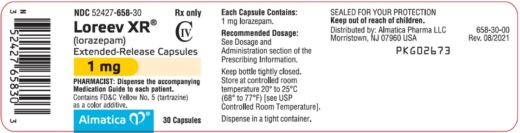 Loreev Xr🏭 Almatica Pharma LLC
 Ativan🏭 Hikma Pharmaceuticals USA Inc.
 Lorazepam🏭 Teva Pharmaceuticals USA, Inc.
✅ What it is used for
- Treatment of status epilepticus.
- Preanesthetic medication in adult patients: produces sedation (sleepiness or drowsiness), relief of anxiety, and decreased ability to recall events related to the day of surgery.
- Most useful in patients anxious about their surgical procedure who would prefer diminished recall of the events of the day of surgery.
🧪 Active ingredient
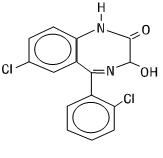
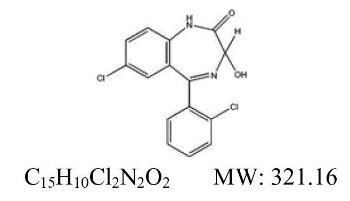
The active substance is lorazepam, a benzodiazepine that binds to the benzodiazepine site on the GABA receptor complex in the brain and enhances the affinity of GABA for its receptor, producing antianxiety effects, sedation, and reduced seizure activity.
🌿 Benefits
- Stops continuing seizures in status epilepticus.
- Calms the patient and relieves anxiety before surgery.
- Reduces recall of events related to the day of surgery.
- The intended effects of the recommended adult dose usually last 6 to 8 hours.
📝 How to use
- This medicine is given by injection into a vein or muscle by trained healthcare staff; it is not for self-administration.
- The dose is set individually by the doctor or pharmacist, particularly when used with other medicines capable of causing central nervous system depression.
- Equipment to maintain a patent airway must be immediately available before intravenous administration.
- For status epilepticus the intravenous route is preferred; the intramuscular route is not preferred because therapeutic levels may not be reached as quickly, but may be useful when no intravenous port is available.
💊 Dosage forms
- Single-dose cartridge with Luer Lock for the Carpuject Syringe System, 2 mg/mL (1 mL fill).
- Single-dose cartridge with Luer Lock for the Carpuject Syringe System, 4 mg/mL (1 mL fill).
⚠️ Common side effects
- Hypotension (low blood pressure).
- Somnolence (sleepiness).
- Nausea and vomiting (less frequent).
- Injection site reaction (less frequent).
🚨 Serious — seek medical help
- Respiratory depression and respiratory failure, the most important adverse event.
- Profound sedation and coma, especially with opioids, alcohol, or other CNS depressants.
- Risk of abuse, misuse, addiction, and physical dependence.
- Withdrawal reactions, which can be life-threatening, with abrupt discontinuation after use more frequent than recommended.
- Paradoxical excitation (especially in younger children).
⛔ Do not use if
- Known sensitivity to benzodiazepines or to the vehicle (polyethylene glycol, propylene glycol, benzyl alcohol).
- Acute narrow-angle glaucoma.
- Sleep apnea syndrome.
- Severe respiratory insufficiency, except when relief of anxiety or diminished recall is needed during mechanical ventilation.
- Intra-arterial use, because inadvertent injection may cause arteriospasm resulting in gangrene which may require amputation.
- Premature infants, because the formulation contains benzyl alcohol.
❗ Warnings & precautions
- Concomitant use with opioids may result in profound sedation, respiratory depression, coma, and death; monitor patients closely.
- Benzodiazepine use exposes users to risks of abuse, misuse, and addiction; assess each patient's risk before prescribing and throughout treatment.
- Physical dependence and withdrawal may occur; use a gradual taper when discontinuing after use more frequent than recommended.
- Treatment of status epilepticus requires monitoring of vital signs and available ventilatory support, and may require additional therapy such as phenytoin.
- Correctable causes (such as hypoglycemia or hyponatremia) must be sought and corrected.
- Contains benzyl alcohol, which has been associated with serious adverse events and death, particularly in pediatric patients (gasping syndrome).
- Prolonged exposure to sedative drugs may be associated with effects on the developing brain in young children.
🔄 Drug interactions
- Opioids: risk of profound sedation, respiratory depression, coma, and death.
- Alcohol and other CNS depressants: increased risk of respiratory depression, sedation, and overdose.
- Phenytoin: may be given alongside in status epilepticus management under physician direction.
- Tell your doctor about all medicines you take.
🤰 Pregnancy
Lorazepam used late in pregnancy can cause sedation (respiratory depression, lethargy, hypotonia) and/or withdrawal symptoms (hyperreflexia, irritability, restlessness, tremors, inconsolable crying, feeding difficulties) in newborns. Published observational data do not report a clear association between benzodiazepines and major birth defects. Tell your healthcare provider if you are pregnant; a pregnancy exposure registry exists (1-866-961-2388).
🍼 Breastfeeding
Lorazepam is present in breast milk, and sedation, poor feeding, and poor weight gain have been reported in exposed infants. The benefits of breastfeeding should be weighed against the mother's clinical need for the drug, and the infant should be monitored for sedation, poor feeding, and poor weight gain.
🧒 Children
Safety and effectiveness for status epilepticus have not been established in pediatric patients; a trial in 273 patients aged 3 months to 17 years failed to establish efficacy. Pediatric patients treated with lorazepam were more likely to be sedated and took longer to return to baseline mental status; paradoxical excitation was observed in 10% to 30% of patients under 8 years in open-label reports. The product contains benzyl alcohol and is contraindicated in premature infants.
👴 Older adults
Age over 65 may be associated with a greater incidence of CNS depression and respiratory depression, and greater sensitivity (e.g., sedation) cannot be ruled out. Dose selection should be cautious, usually starting at the low end of the dosing range, considering hepatic or renal impairment.
🌡️ Storage
Keep in a refrigerator at 2° to 8°C (36° to 46°F). Protect from light; keep in the carton. Needles should not be recapped, purposely bent, or broken by hand to prevent needle-stick injuries.
⏰ Missed dose
Lorazepam injection is given by healthcare staff for acute conditions or before surgery and has no home dosing schedule. If you are on a scheduled course, consult your doctor.
🆘 Overdose
Overdose causes CNS depression ranging from drowsiness to coma, and may include confusion, lethargy, diminished reflexes, ataxia, and hypotonia; severe cases may develop respiratory depression. It may be fatal with alcohol or opioids. Management is supportive (IV fluids, airway management); flumazenil may be used with caution because of seizure and withdrawal risk. Contact emergency services or the Poison Help line (1-800-222-1222).
💰 Price & brands in your area
Local prices are currently available for Palestine; more countries are coming. Ask your pharmacist for local price and alternatives.
📍 Find the nearest pharmacy
Your location is used only in your browser to show nearby pharmacies — we don't store it.
Open in Google Maps👨⚕️ For healthcare professionals
Mechanism of action
Lorazepam binds the GABA-benzodiazepine receptor complex and enhances the affinity of GABA for its receptor without displacing it, producing antianxiety, sedative, and anticonvulsant effects; intensity is directly related to the degree of receptor occupancy.
Labeled dosing
Status epilepticus (18 years and older): usual recommended dose is 4 mg given slowly intravenously (2 mg/min); if seizures continue or recur after a 10- to 15-minute observation period, an additional 4 mg may be given slowly; experience with further doses is very limited. The intramuscular route is not preferred. Preanesthetic (adults): recommended dose is 2 mg to 4 mg intravenously or intramuscularly. Dosage must always be individualized and set by the physician or pharmacist.
- Airway-maintenance and ventilatory equipment must be immediately available before IV administration.
- Status epilepticus management includes monitoring vital signs, seeking correctable causes, and may require phenytoin or neurology consultation if the patient fails to respond.
- Intra-arterial administration is contraindicated.
- Dilute for IV use per directions; mix by gentle inversion and do not shake vigorously.
- Flumazenil is contraindicated in patients who received a benzodiazepine to control a potentially life-threatening condition such as status epilepticus.
🎓 Key points for students
- Class: benzodiazepine, GABA-A receptor positive modulator.
- Indications: status epilepticus and preanesthetic medication.
- Key adverse effects: respiratory depression, hypotension, somnolence.
- Boxed warning: opioid co-use, abuse/misuse/addiction, dependence and withdrawal.
- Contains benzyl alcohol: contraindicated in premature infants, caution in pediatrics.
- Contraindications: narrow-angle glaucoma, sleep apnea, severe respiratory insufficiency, intra-arterial use.
- Reversal: flumazenil with caution (seizure risk); contraindicated if used for life-threatening condition.
EME runs your whole clinic: appointments with WhatsApp reminders, patient files, finance & inventory, a patient portal and a members-price medical store — with your data isolated and protected.
Try EME free How we protect your data❓ FAQ
What is lorazepam injection used for?
It is a benzodiazepine used to treat status epilepticus and as preanesthetic medication to calm the patient, relieve anxiety, and reduce recall of the day of surgery.
Can I use it myself?
No. It is given by injection by trained healthcare staff with airway support available, and the dose is set by the doctor or pharmacist.
What are the most serious side effects?
Respiratory depression, low blood pressure, and profound sedation; the risk rises when combined with opioids or alcohol.
Is it safe in pregnancy and breastfeeding?
Use late in pregnancy may cause sedation or withdrawal symptoms in newborns, and the drug passes into breast milk. Consult your doctor.
Can it cause addiction?
Yes. Benzodiazepines carry risks of abuse, misuse, addiction, and physical dependence, so they are used under medical supervision.
⚕️ For education only — not a substitute for advice from your doctor or pharmacist. Do not start or stop any medicine without advice. Source: official FDA drug label via openFDA (2026-07), simplified. Updated: 2026-11-11.