
💊 Levonorgestrel (Kyleena)
Kyleena is an intrauterine system that releases levonorgestrel (a progestin) to prevent pregnancy for up to 5 years. It is inserted by a trained healthcare provider and must be removed or replaced after 5 years if continued contraception is desired.
In Arabic: ليفونورجستريل (نظام داخل الرحم - كيلينا)
🏷️ Brand names & manufacturers
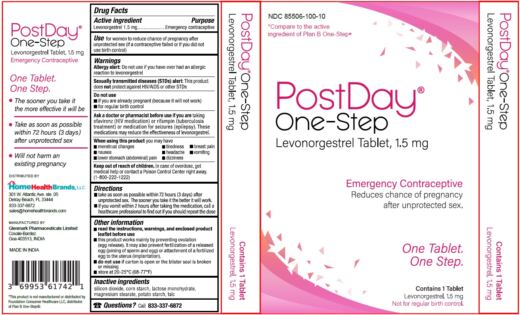 Postday One-step🏭 Home Health Brands, LLCDailyMed
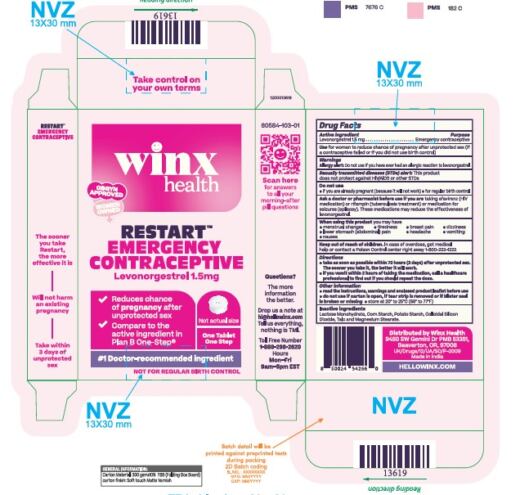 Restart🏭 Winx Health Inc.DailyMed
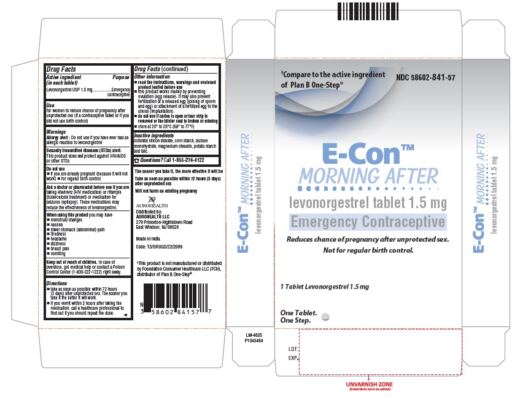 Econ Morning After🏭 Aurohealth LLCDailyMed
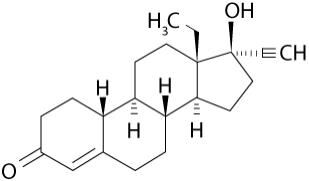 Kyleena🏭 Bayer HealthCare Pharmaceuticals Inc.DailyMed
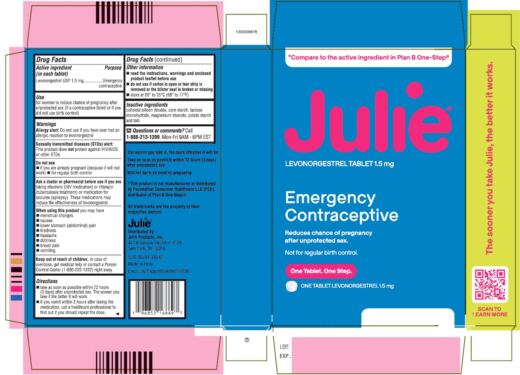 Julie🏭 Julie Products IncDailyMed
✅ What it is used for
- Prevention of pregnancy for up to 5 years
🧪 Active ingredient
Levonorgestrel: a progestin released locally into the uterine cavity. It contributes to preventing pregnancy by thickening cervical mucus to block sperm passage, inhibiting sperm capacitation or survival, and altering the endometrium.
🌿 Benefits
- Pregnancy prevention for up to 5 years
- Can be removed at any time; about 71% of women who wanted to become pregnant after stopping conceived within 12 months of removal
📝 How to use
- Kyleena must be inserted by a trained healthcare provider using strict aseptic technique; it is not self-inserted.
- The dose and timing of insertion are determined by your doctor or pharmacist; do not decide this yourself.
- The system releases levonorgestrel at about 17.5 mcg/day after 24 days, declining gradually to about 7.4 mcg/day after 5 years.
- It must be removed by the end of the fifth year and can be replaced at the time of removal with a new system if continued protection is desired.
- You should be re-examined 4 to 6 weeks after insertion, then yearly or more often if clinically indicated.
- Insertion may be associated with pain and/or bleeding, vasovagal reactions (e.g., fainting, slow heart rate), or seizure; your provider may consider giving pain relief before insertion.
💊 Dosage forms
- Sterile T-shaped polyethylene intrauterine system with a steroid reservoir containing a total of 19.5 mg levonorgestrel, packaged within a sterile inserter
⚠️ Common side effects
- Vulvovaginitis
- Ovarian cysts
- Abdominal or pelvic pain
- Headache or migraine
- Acne or seborrhea
- Painful periods or uterine spasm
- Breast pain or discomfort
- Increased bleeding
- Altered bleeding patterns, which may remain irregular; periods may stop
🚨 Serious — seek medical help
- Ectopic pregnancy (may result in loss of fertility)
- Pregnancy with the system in place, with risk of pregnancy loss, sepsis, and premature labor and delivery
- Group A streptococcal infection after insertion
- Pelvic inflammatory disease (PID)
- Uterine perforation, which may require surgery
- Partial or complete expulsion, which may go unnoticed and lead to loss of contraceptive protection
- Persistent enlarged ovarian follicles or ovarian cysts
⛔ Do not use if
- Pregnancy or suspected pregnancy
- Use as post-coital (emergency) contraception
- Congenital or acquired uterine anomaly, including fibroids, that distorts the uterine cavity
- Acute pelvic inflammatory disease or a history of PID unless there has been a subsequent intrauterine pregnancy
- Postpartum endometritis or infected abortion in the past 3 months
- Known or suspected uterine or cervical cancer
- Known or suspected breast cancer or other progestin-sensitive cancer, now or in the past
- Uterine bleeding of unknown cause
- Untreated acute cervicitis or vaginitis, including bacterial vaginosis or other lower genital tract infections, until controlled
- Acute liver disease or liver tumor (benign or malignant)
- Conditions associated with increased susceptibility to pelvic infections
- A previously inserted IUD that has not been removed
- Hypersensitivity to any component of the product
❗ Warnings & precautions
- If pregnancy occurs with Kyleena in place, it should be removed; risks of ectopic pregnancy, pregnancy loss, sepsis, and premature labor and delivery are increased.
- Evaluate for ectopic pregnancy in cases of lower abdominal pain, especially with missed periods or if an amenorrheic woman starts bleeding.
- Endometrial pathology (polyps or cancer) should be excluded before insertion in women with persistent or uncharacteristic bleeding.
- Perforation risk is increased if inserted in lactating women and may be increased in women with fixed retroverted uteri and postpartum.
- Kyleena can be safely scanned with MRI only under certain conditions.
- Do not use if the sterile package seal is broken or appears compromised.
- A history and, if indicated, examination and tests for genital or sexually transmitted infections are done before insertion.
🔄 Drug interactions
- No drug-drug interaction studies have been conducted with Kyleena.
- Drugs or herbal products that induce or inhibit levonorgestrel-metabolizing enzymes, including CYP3A4, may decrease or increase, respectively, serum levonorgestrel concentrations.
- The contraceptive effect is mediated by direct release of levonorgestrel into the uterine cavity and is unlikely to be affected by interactions via enzyme induction or inhibition.
🤰 Pregnancy
Kyleena is contraindicated in pregnancy or suspected pregnancy. If pregnancy occurs with it in place, the likelihood of ectopic pregnancy is increased, as is the risk of miscarriage, sepsis, premature labor, and premature delivery. It should be removed if possible; if it cannot be removed, the pregnancy should be followed closely. There have been isolated cases of virilization of the external genitalia of the female fetus after local exposure to levonorgestrel during pregnancy with an LNG IUS in place.
🍼 Breastfeeding
Levonorgestrel has been reported in human milk in small amounts (approximately 0.1% of the total maternal dose). There are no reports of adverse effects in breastfed infants, and isolated cases of decreased milk production have been reported. The benefits of breastfeeding should be weighed with the mother's clinical need for the drug.
🧒 Children
Safety and efficacy have been established in women of reproductive age. Efficacy is expected to be the same for postpubertal females under 18 as for users 18 and older. Not indicated before menarche.
👴 Older adults
Kyleena has not been studied in women over age 65 and is not approved for use in this population.
🌡️ Storage
Store at 25°C (77°F), with excursions permitted between 15–30°C (59–86°F). Supplied sterile for single use only; do not resterilize and do not use if the inner package is damaged or open. Insert before the end of the month shown on the label.
⏰ Missed dose
A missed dose does not apply since the system is inserted once and releases the hormone continuously. It must be removed or replaced by the end of the fifth year; attend your scheduled follow-up visits.
🆘 Overdose
The label text provided contains no information on overdose. The system is inserted once into the uterus by a trained professional.
💰 Price & brands in your area
📍 Find the nearest pharmacy
Your location is used only in your browser to show nearby pharmacies — we don't store it.
Open in Google Maps👨⚕️ For healthcare professionals
Mechanism of action
Levonorgestrel is released locally in the uterine cavity. The local mechanism has not been conclusively demonstrated, but studies suggest thickening of cervical mucus, inhibition of sperm capacitation or survival, and endometrial alteration. Effects are mainly local progestogenic, with morphological changes including stromal pseudodecidualization, glandular atrophy, leukocytic infiltration, and decreased glandular and stromal mitoses. Evidence of ovulation was seen in a large share of women in the early years.
Labeled dosing
Contains 19.5 mg LNG; release rate approximately 17.5 mcg/day after 24 days, declining to 9.8 mcg/day at 1 year and 7.4 mcg/day at 5 years (average about 12.6 mcg/day in year 1 and 9.0 mcg/day over 5 years). Inserted once for up to 5 years by a trained provider using strict aseptic technique; removed or replaced by the end of year 5. Dose and timing are determined by the physician or pharmacist.
- May be inserted any time there is reasonable certainty the woman is not pregnant; if inserted during the first seven days of the menstrual cycle or immediately after a first-trimester abortion, back-up contraception is not needed.
- Distinguished from other IUSs by a silver ring visible on ultrasound and blue removal threads.
- Re-examine 4 to 6 weeks after insertion, then yearly or more often if clinically indicated.
- Ectopic pregnancy incidence in clinical trials was about 0.2% per year (women with prior ectopic pregnancy excluded); approximately one-half of pregnancies with the system in place are likely ectopic.
- Trials enrolled 1,697 women; 22% discontinued early due to an adverse reaction, most commonly increased bleeding (4.5%) and abdominal/pelvic pain (4.2%).
- Exclude endometrial pathology before insertion in women with persistent or uncharacteristic bleeding.
🎓 Key points for students
- Kyleena: intrauterine system releasing 19.5 mg levonorgestrel for contraception up to 5 years.
- Release rate falls from 17.5 to 7.4 mcg/day over 5 years.
- Mechanism: thickened cervical mucus, inhibited sperm function, altered endometrium.
- Key contraindications: pregnancy, acute PID, uterine anomalies, uterine/cervical/breast cancer, unexplained bleeding.
- Key risks: ectopic pregnancy, perforation, expulsion, PID, ovarian cysts, altered bleeding patterns.
- Not for use as emergency contraception.
EME runs your whole clinic: appointments with WhatsApp reminders, patient files, finance & inventory, a patient portal and a members-price medical store — with your data isolated and protected.
Try EME free How we protect your data❓ FAQ
How long does Kyleena work?
It prevents pregnancy for up to 5 years and must be removed or replaced after that if you wish to continue.
Who inserts Kyleena?
A trained healthcare provider inserts it using aseptic technique; it is not self-inserted.
Can it be used as emergency contraception?
No, it is not for use after unprotected intercourse.
Will my bleeding pattern change?
Yes, bleeding may become irregular or increase, and periods may stop. See your doctor for persistent or unusual bleeding.
What if I become pregnant with it in place?
See your doctor right away because risks of ectopic pregnancy, miscarriage, and infection increase; it should be removed if possible.
When does fertility return after removal?
About 71% of women who wanted pregnancy conceived within 12 months of removal.
⚕️ For education only — not a substitute for advice from your doctor or pharmacist. Do not start or stop any medicine without advice. Source: official FDA drug label via openFDA (2025-10), simplified. Updated: 2026-11-15.