
💊 Ivermectin (Stromectol)
Ivermectin (brand name Stromectol) is a prescription oral medicine used to treat two parasitic infections: intestinal strongyloidiasis and onchocerciasis (river blindness). The dose is set by your doctor or pharmacist.
In Arabic: إيفرمكتين (Ivermectin)
🏷️ Brand names & manufacturers
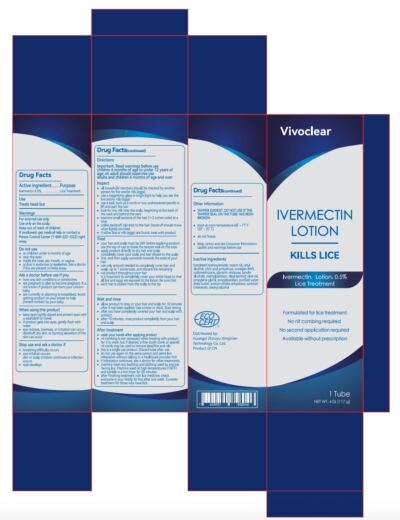 Vivoclear Lvermectin Lice Treatment🏭 Guangxi Zhouyu Xingchen Technology Co., Ltd.DailyMed
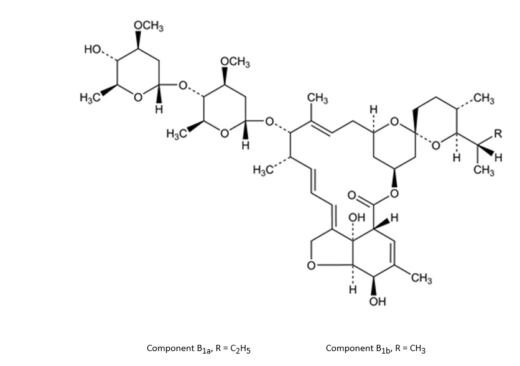 Stromectol🏭 Merck Sharp & Dohme LLCDailyMed
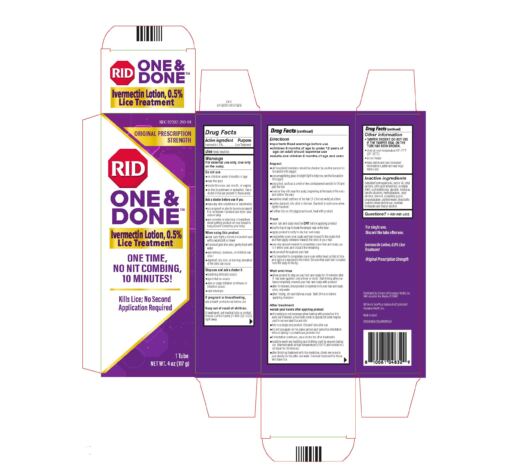 Rid One And Done🏭 Oystershell Consumer Health, Inc.DailyMed
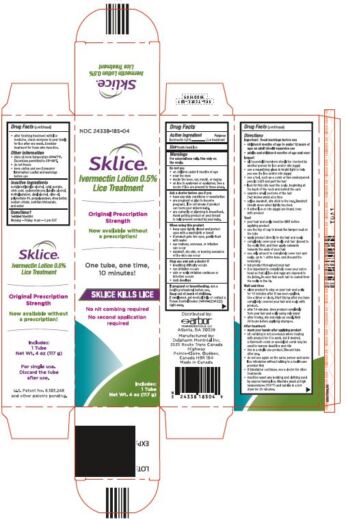 Sklice🏭 Azurity PharmaceuticalsDailyMed
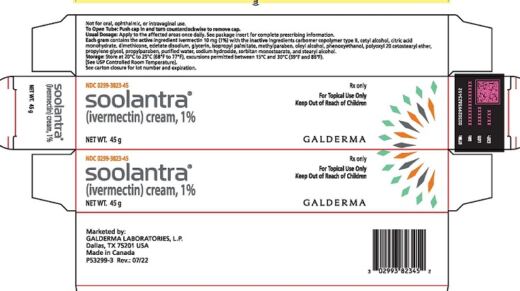 Soolantra🏭 Galderma Laboratories, L.P.DailyMed
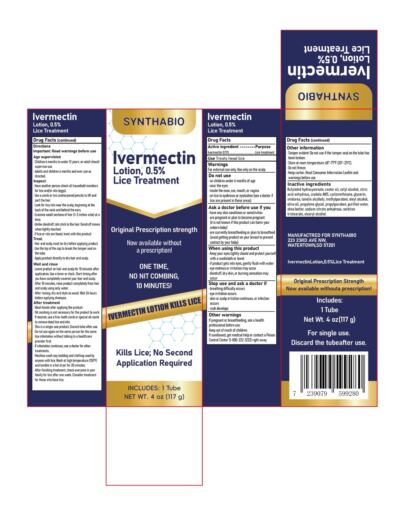 Synthabio Ivermectin🏭 Shenzhen Xuyan Technology Co., Ltd.DailyMed
✅ What it is used for
- Treatment of intestinal (nondisseminated) strongyloidiasis caused by Strongyloides stercoralis
- Treatment of onchocerciasis caused by Onchocerca volvulus
🧪 Active ingredient
The active ingredient is ivermectin, a semisynthetic agent derived from the avermectins. It binds to glutamate-gated chloride channels in invertebrate nerve and muscle cells, which affects the parasite and leads to its death.
🌿 Benefits
- In clinical studies, 64-100% of patients with strongyloidiasis were cured after a single dose
- Effective for onchocerciasis based on studies in 1427 patients in endemic areas of West Africa
📝 How to use
- Tablets are taken on an empty stomach with water
- The usual treatment is a single dose based on body weight, determined by your doctor or pharmacist
- For strongyloidiasis, additional doses are generally not needed, but follow-up stool examinations should be done to confirm the infection has cleared
- For onchocerciasis, retreatment may be considered at intervals as short as 3 months in individual patients
💊 Dosage forms
- 3 mg tablets (Stromectol): white, round, flat, bevel-edged, marked MSD on one side and 32 on the other
⚠️ Common side effects
- Dizziness
- Itching, rash, hives
- Nausea, vomiting, diarrhea, constipation, loss of appetite, abdominal pain
- Drowsiness, vertigo, tremor
- Fatigue/weakness
- In onchocerciasis: swollen and tender lymph nodes, joint pain, fever, itching, skin rash
- Rapid heartbeat, facial or peripheral swelling
- Headache and muscle pain
🚨 Serious — seek medical help
- Neurotoxicity including altered consciousness (drowsiness, stupor, coma), confusion, disorientation and death have been reported
- Mazzotti reactions (allergic and inflammatory) in onchocerciasis patients, including orthostatic hypotension and skin and eye reactions
- Eye changes such as limbitis or punctate opacity in onchocerciasis patients
- Elevated liver enzymes (ALT/AST) and decreased white blood cell count in some patients
⛔ Do not use if
- Hypersensitivity to ivermectin or any component of the product
❗ Warnings & precautions
- Mazzotti reactions may occur in onchocerciasis patients due to death of microfilariae
- Neurotoxicity (altered consciousness, confusion, disorientation, death) has been reported even at recommended doses; reactions generally resolved with supportive care and discontinuation
- The drug has no activity against adult Onchocerca volvulus living in subcutaneous nodules; nodule excision may be considered
- Use caution in the elderly because of possible reduced liver, kidney or heart function
- Do not use without a prescription and medical supervision
🔄 Drug interactions
- Warfarin: increased INR has been rarely reported when co-administered with ivermectin
- Ivermectin is primarily metabolized by CYP3A4; tell your doctor or pharmacist about all medicines you take
🤰 Pregnancy
Ivermectin should not be used during pregnancy since safety has not been established. It was teratogenic in mice, rats and rabbits (e.g., cleft palate) at repeated doses at or near those toxic to the mother. There are no adequate, well-controlled studies in pregnant women.
🍼 Breastfeeding
Ivermectin is excreted in human milk in low concentrations. Treatment of mothers who intend to breast-feed should only be undertaken when the risk of delayed treatment to the mother outweighs the possible risk to the newborn.
🧒 Children
Safety and effectiveness have not been established in pediatric patients weighing less than 15 kg.
👴 Older adults
Clinical studies did not include enough subjects aged 65 and over to determine whether they respond differently. Treatment of elderly patients should be cautious, reflecting the greater frequency of decreased hepatic, renal or cardiac function and of concomitant disease or other drug therapy.
🌡️ Storage
Store below 30°C (86°F).
⏰ Missed dose
Not addressed in the label. Ivermectin is typically given as a single dose; consult your doctor or pharmacist.
🆘 Overdose
Neurotoxicity (altered consciousness, confusion, disorientation, death) has been reported with recommended doses and overdosage. After accidental exposure, reported effects include rash, edema, headache, dizziness, weakness, nausea, vomiting, diarrhea, seizures, ataxia, shortness of breath, abdominal pain and tingling. Seek medical care immediately; management is supportive (parenteral fluids and electrolytes, respiratory support, pressor agents if needed), with emesis and/or gastric lavage as soon as possible followed by purgatives if indicated.
💰 Price & brands in your area
Local prices are currently available for Palestine; more countries are coming. Ask your pharmacist for local price and alternatives.
📍 Find the nearest pharmacy
Your location is used only in your browser to show nearby pharmacies — we don't store it.
Open in Google Maps👨⚕️ For healthcare professionals
Mechanism of action
Ivermectin binds selectively and with high affinity to glutamate-gated chloride ion channels in invertebrate nerve and muscle cells. It is metabolized in the liver mainly by CYP3A4 (to a lesser extent CYP2D6 and CYP2E1) and excreted almost exclusively in feces over about 12 days (<1% in urine). Plasma half-life is about 18 hours; peak concentration occurs around 4 hours. A 30 mg dose after a high-fat meal increased bioavailability about 2.5-fold versus fasting.
Labeled dosing
Strongyloidiasis: single oral dose of about 200 mcg/kg on an empty stomach with water (15-24 kg: 1 x 3 mg tablet; 25-35 kg: 2; 36-50 kg: 3; 51-65 kg: 4; 66-79 kg: 5; ≥80 kg: 200 mcg/kg). Onchocerciasis: single oral dose of about 150 mcg/kg (15-25 kg: 1 tablet; 26-44 kg: 2; 45-64 kg: 3; 65-84 kg: 4; ≥85 kg: 150 mcg/kg). The dose is set by the doctor/pharmacist.
- Strongyloidiasis: perform follow-up stool examinations to verify eradication
- Onchocerciasis: the most commonly used interval in mass campaigns is 12 months; for individual patients retreatment may be considered at intervals as short as 3 months
- No activity against adult O. volvulus; nodulectomy may be considered
- Severe Mazzotti reactions have not been studied in controlled trials; oral hydration, recumbency, IV normal saline and/or parenteral corticosteroids have been used for postural hypotension, and antihistamines and/or aspirin for mild to moderate cases
- Overdose: supportive therapy (parenteral fluids/electrolytes, respiratory support, pressors if hypotensive); consider early emesis/gastric lavage followed by purgatives
🎓 Key points for students
- Class: antiparasitic (EPC) and pediculicide
- Indications: intestinal strongyloidiasis (S. stercoralis) and onchocerciasis (O. volvulus)
- Mechanism: binds glutamate-gated chloride channels in invertebrates
- Metabolized by CYP3A4; fecal excretion; half-life about 18 hours
- High-fat meal increases bioavailability about 2.5-fold
- Contraindication: hypersensitivity to any component
- Reported interaction: warfarin (increased INR)
- Key warnings: Mazzotti reactions and neurotoxicity
EME runs your whole clinic: appointments with WhatsApp reminders, patient files, finance & inventory, a patient portal and a members-price medical store — with your data isolated and protected.
Try EME free How we protect your data❓ FAQ
What is ivermectin used for?
It is used to treat intestinal strongyloidiasis and onchocerciasis (river blindness).
How is ivermectin taken?
On an empty stomach with water as a single dose determined by your doctor or pharmacist based on body weight.
Can it be used during pregnancy?
It should not be used during pregnancy because its safety has not been established.
What are the main side effects?
Dizziness, itching, rash, nausea, diarrhea and fatigue; rarely serious neurotoxic effects can occur. Seek medical help right away for confusion or severe drowsiness.
Does it interact with other medicines?
Increased INR has been rarely reported with warfarin. Tell your doctor about all your medicines.
⚕️ For education only — not a substitute for advice from your doctor or pharmacist. Do not start or stop any medicine without advice. Source: official FDA drug label via openFDA (2024-09), simplified. Updated: 2026-11-10.