
💊 Hydroquinone (Zo Skin Health Pigment Control Program Plus Hydroquinone)
Hydroquinone is a topical cream used for the gradual bleaching of hyperpigmented skin conditions such as melasma and freckles. It works by producing reversible depigmentation of the skin. It should be used as directed by a physician, together with sun protection.
In Arabic: هيدروكينون
🏷️ Brand names & manufacturers
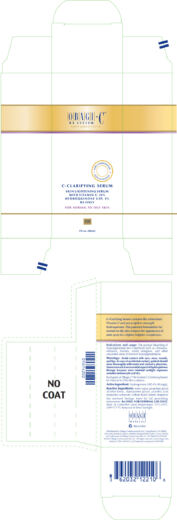 Obagi-c Rx System C-clarifying Serum Normal To Oily Skin Lightening Serum With Vitamin C🏭 Obagi Cosmeceuticals LLCDailyMed
 Hydro-q🏭 Dermavance PharmaceuticalsDailyMed
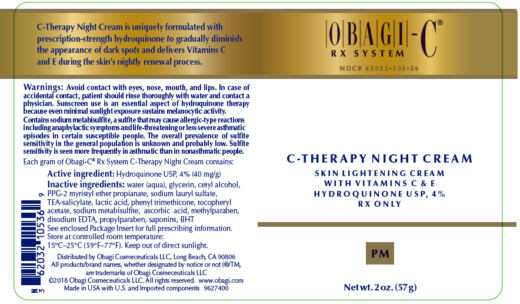 Obagi-c Rx System C-therapy Night Skin Lightening With Vitamins C And E🏭 Obagi Cosmeceuticals LLCDailyMed
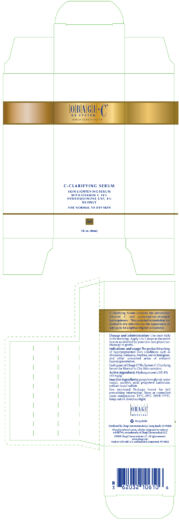 Obagi C Rx System C Clarifying Serum🏭 Obagi Cosmeceuticals LLCDailyMed
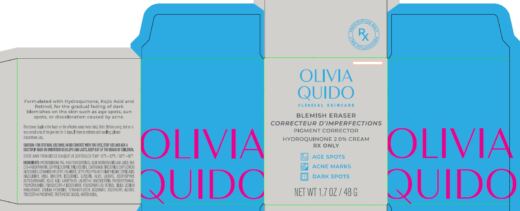 Olivia Quido Blemish Eraser🏭 O Skin Care LLCDailyMed
 Nu-derm Blender Skin Lightener And Blending🏭 Obagi Cosmeceuticals LLCDailyMed
✅ What it is used for
- Gradual bleaching of hyperpigmented skin
- Chloasma and melasma
- Freckles and senile lentigines
- Other unwanted areas of melanin hyperpigmentation
🧪 Active ingredient
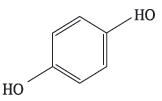
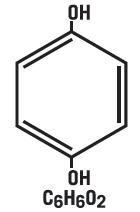
The active ingredient is hydroquinone (1,4-benzenediol). It produces reversible depigmentation of the skin by inhibiting the enzymatic oxidation of tyrosine to 3,4-dihydroxyphenylalanine (DOPA) and suppressing other melanocyte metabolic processes.
🌿 Benefits
- Gradual lightening of dark patches from melanin hyperpigmentation
- Reversible skin-bleaching effect
📝 How to use
- Apply a thin layer to the affected area twice daily or as directed by a physician
- The dose and duration are set by your doctor or pharmacist and should not be changed on your own
- If no improvement is seen after 8–12 weeks, use of the product should be discontinued
- There is no recommended dosage for children under 12 years except under physician supervision
- Check the product label for whether to rub in or not
- Avoid contact with eyes and mucous membranes
💊 Dosage forms
- Topical cream 4% (40 mg per gram)
- 30 mL and 80 mL bottles
⚠️ Common side effects
- Dryness and fissuring of paranasal and infraorbital areas
- Erythema (redness)
- Stinging
- Transient skin reddening and mild burning in some patients
🚨 Serious — seek medical help
- Hypersensitivity (localized contact dermatitis): stop the medication and notify the physician immediately
- Exogenous ochronosis (gradual blue-black darkening of the skin): discontinue treatment and consult your physician
- Allergic-type reactions, including anaphylactic symptoms and asthmatic episodes, in sulfite-sensitive people due to sodium metabisulfite
⛔ Do not use if
- Prior history of sensitivity or allergic reaction to the product or any of its ingredients
- Safety of topical hydroquinone in pregnancy or in children (12 years and under) has not been established
❗ Warnings & precautions
- A skin bleaching agent that may produce undesired effects if not used as directed
- Contains sodium metabisulfite, a sulfite that may cause serious allergic-type reactions; sulfite sensitivity is seen more often in asthmatic people
- Avoid unnecessary sun exposure; use an effective broad-spectrum sunscreen or protective clothing over bleached skin to prevent re-pigmentation
- Avoid contact with eyes and mucous membranes
- Keep out of reach of children; in case of accidental ingestion, call a physician or poison control center immediately
🔄 Drug interactions
- Caution is advised with concomitant use of medications known to be photosensitizing
🤰 Pregnancy
Pregnancy Category C. Animal reproduction studies have not been conducted, and it is not known whether topical hydroquinone can cause fetal harm. It should be given to a pregnant woman only if clearly needed and under physician supervision; safety in pregnancy has not been established.
🍼 Breastfeeding
It is not known whether this drug is excreted in human milk. Caution should be exercised when used by a nursing woman; consult your doctor.
🧒 Children
Safety and effectiveness in children under 12 years have not been established. There is no recommended dosage for this group except under physician advice and supervision.
👴 Older adults
The label contains no specific information for elderly patients.
🌡️ Storage
Store at controlled room temperature (15°–30°C / 59°–86°F) and keep out of reach of children.
⏰ Missed dose
The label gives no instructions for a missed dose. Consult your doctor or pharmacist.
🆘 Overdose
No systemic reactions have been reported with topical use. Treatment should be limited to relatively small areas of the body at one time, since some patients experience transient reddening and mild burning that does not preclude treatment. In case of accidental ingestion, call a physician or poison control center immediately.
💰 Price & brands in your area
Local prices are currently available for Palestine; more countries are coming. Ask your pharmacist for local price and alternatives.
📍 Find the nearest pharmacy
Your location is used only in your browser to show nearby pharmacies — we don't store it.
Open in Google Maps👨⚕️ For healthcare professionals
Mechanism of action
Produces reversible depigmentation by inhibiting enzymatic oxidation of tyrosine to DOPA and suppressing other melanocyte metabolic processes. Sunlight or UV exposure causes re-pigmentation of bleached areas, which sunscreen agents may prevent.
Labeled dosing
Adults: apply a thin layer of 4% cream to the affected area twice daily or as directed by a physician. Discontinue if no improvement after 8–12 weeks. Children under 12: no recommendation except under physician supervision.
- Formulation contains sodium metabisulfite and sodium sulfite
- Reported adverse reactions: dryness and fissuring, erythema, stinging, and localized contact dermatitis
- Pregnancy Category C; safety in pregnancy and children (12 years and under) not established
- The physician should be familiar with the insert before prescribing or dispensing
- Sun protection is essential to prevent re-pigmentation
🎓 Key points for students
- Hydroquinone is a topical skin-bleaching agent (1,4-benzenediol, C6H6O2, MW 110.11)
- Mechanism: inhibits enzymatic oxidation of tyrosine to DOPA and suppresses melanocyte metabolism
- Effect is reversible; sunlight re-pigments without sunscreen
- Key complication: exogenous ochronosis (blue-black darkening)
- Contains sulfite that may cause allergic and asthmatic reactions
- Pregnancy Category C
EME runs your whole clinic: appointments with WhatsApp reminders, patient files, finance & inventory, a patient portal and a members-price medical store — with your data isolated and protected.
Try EME free How we protect your data❓ FAQ
What is hydroquinone used for?
It is used for the gradual bleaching of dark skin patches such as melasma, freckles, and senile lentigines.
How long should it be used?
If no improvement is seen after 8–12 weeks, use should be discontinued. Your doctor determines the duration of treatment.
Do I need sunscreen?
Yes. Avoid unnecessary sun exposure and use a broad-spectrum sunscreen or protective clothing to prevent re-pigmentation.
Can it be used during pregnancy?
Its safety in pregnancy has not been established; it should be given to a pregnant woman only if clearly needed and under a doctor's supervision.
When should I stop it and see a doctor?
If you notice blue-black darkening of the skin, an allergic reaction, or localized contact dermatitis, stop the medication and consult your physician right away.
Is it suitable for children?
There is no recommended dosage for children under 12 years except under physician advice and supervision, and safety has not been established.
⚕️ For education only — not a substitute for advice from your doctor or pharmacist. Do not start or stop any medicine without advice. Source: official FDA drug label via openFDA (2026-04), simplified. Updated: 2026-11-16.