
💊 Furosemide (Furosemide)
Furosemide is a potent oral diuretic used to treat edema (fluid retention) associated with congestive heart failure, cirrhosis of the liver, and renal disease, and it may also be used to treat hypertension. It is a prescription medicine, and your doctor determines the right dose for you.
In Arabic: فوروسيميد
🏷️ Brand names & manufacturers
Packages shown are US-market (DailyMed). Brands available in Palestine are in the price section below.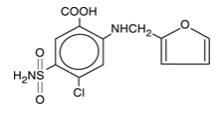 Lasix🏭 Validus Pharmaceuticals LLC
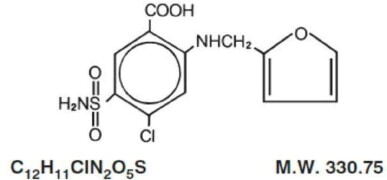 Furosemide🏭 Phlow Corporation
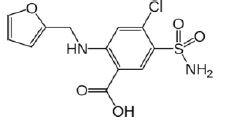 Furosemide🏭 Medical Purchasing Solutions, LLC
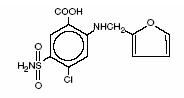 Furosemide🏭 Ipca Laboratories Limited
✅ What it is used for
- Treatment of edema associated with congestive heart failure in adults and pediatric patients
- Treatment of edema associated with cirrhosis of the liver
- Treatment of edema associated with renal disease, including nephrotic syndrome
- Treatment of hypertension in adults, alone or with other antihypertensive agents
🧪 Active ingredient
The active ingredient is furosemide, a diuretic that inhibits absorption of sodium and chloride in the kidney tubules and loop of Henle, increasing urine output and reducing fluid retention.
🌿 Benefits
- Rapid diuresis; onset within 1 hour after oral dosing
- Peak effect within the first or second hour, lasting 6 to 8 hours
- Relief of swelling caused by heart, liver, and kidney conditions
- Helps lower high blood pressure
📝 How to use
- This medicine is taken by mouth as tablets.
- The dose and how often you take it are set by your doctor or pharmacist according to your response; do not change the dose on your own.
- The dose may be taken once or twice daily (for example, in the morning and early afternoon) as directed by your doctor.
- Your doctor may prescribe it on 2 to 4 consecutive days each week to mobilize edema efficiently and safely.
- When higher doses are used for prolonged periods, careful clinical observation and laboratory monitoring are advised.
💊 Dosage forms
- Oral tablets in 20 mg, 40 mg and 80 mg strengths (as described in the label)
⚠️ Common side effects
- Nausea and vomiting
- Diarrhea or constipation
- Cramping and oral/gastric irritation
- Loss of appetite
- Dizziness and headache
- Blurred vision
- Weakness and muscle spasm
- Rash or itching
- Orthostatic hypotension (may be aggravated by alcohol)
- Elevated blood glucose and uric acid
🚨 Serious — seek medical help
- Tinnitus and hearing loss (reversible or irreversible)
- Severe anaphylactic or anaphylactoid reactions
- Pancreatitis and jaundice
- Blood disorders such as aplastic anemia, thrombocytopenia, leukopenia, and agranulocytosis
- Severe skin reactions such as Stevens-Johnson syndrome and toxic epidermal necrolysis
- Interstitial nephritis and systemic vasculitis
- Hepatic encephalopathy in patients with hepatocellular insufficiency
- Severe dehydration and electrolyte imbalance
⛔ Do not use if
- Anuria
- History of hypersensitivity to furosemide
❗ Warnings & precautions
- Furosemide is a potent diuretic that can cause profound diuresis with water and electrolyte depletion if given in excess; careful medical supervision is required.
- In patients with hepatic cirrhosis and ascites, therapy is best initiated in the hospital; sudden fluid and electrolyte shifts may precipitate hepatic coma.
- In hepatic coma or electrolyte depletion, therapy should not be started until the basic condition improves.
- If increasing azotemia and oliguria occur during treatment of severe progressive renal disease, furosemide should be discontinued.
- Ototoxicity risk is higher with rapid injection, severe renal impairment, higher-than-recommended doses, hypoproteinemia, or concomitant aminoglycoside antibiotics, ethacrynic acid, or other ototoxic drugs.
- Supplemental potassium chloride and, if required, an aldosterone antagonist may help prevent hypokalemia and metabolic alkalosis.
- If adverse reactions are moderate or severe, the dose should be reduced or therapy withdrawn.
🔄 Drug interactions
- Aminoglycoside antibiotics: may increase ototoxicity; avoid except in life-threatening situations
- Ethacrynic acid: should not be used together due to ototoxicity risk
- High-dose salicylates: salicylate toxicity may occur at lower doses
- Cisplatin: risk of ototoxicity and enhanced nephrotoxicity
- Lithium: generally should not be given with diuretics due to risk of lithium toxicity
- ACE inhibitors and angiotensin II receptor blockers: may cause severe hypotension and deterioration in renal function
- Sucralfate: may reduce furosemide's effect; separate doses by at least 2 hours
- Other antihypertensives: reduce their dose by at least 50% when furosemide is added
- Tubocurarine and succinylcholine: may antagonize or potentiate neuromuscular effects respectively
- Alcohol, barbiturates, narcotics: may aggravate orthostatic hypotension
- Chloral hydrate: flushing, sweating, restlessness, and nausea reported in isolated cases
🤰 Pregnancy
There are no adequate and well-controlled studies in pregnant women. Furosemide caused unexplained maternal deaths and abortions in rabbits. It should be used during pregnancy only if the potential benefit justifies the potential risk to the fetus, and fetal growth monitoring is required. Consult your doctor before use.
🍼 Breastfeeding
Furosemide appears in breast milk and may inhibit lactation, so caution should be exercised when it is given to a nursing mother. Consult your doctor.
🧒 Children
May be used in pediatric patients at a doctor-determined, weight-based dose. In premature infants, and in children under 4 years treated chronically, it may cause nephrocalcinosis/nephrolithiasis; in premature infants it may increase the risk of persistent patent ductus arteriosus. Renal function should be monitored.
👴 Older adults
Dose selection should be cautious, usually starting at the low end of the range, because elderly patients more often have decreased hepatic, renal, or cardiac function. The initial diuretic effect may be decreased, and monitoring renal function may be useful.
🌡️ Storage
Store at 20° to 25°C (68° to 77°F); excursions permitted to 15° to 30°C. Keep in a well-closed, light-resistant container. Light exposure may cause slight discoloration; discolored tablets should not be used. Keep out of reach of children.
⏰ Missed dose
The label gives no specific instructions for a missed dose. Ask your doctor or pharmacist, and do not double the dose on your own.
🆘 Overdose
Signs include dehydration, reduced blood volume, hypotension, electrolyte imbalance, hypokalemia, and hypochloremic alkalosis. Treatment is supportive, replacing fluid and electrolyte losses. Seek emergency care if overdose is suspected. Hemodialysis does not accelerate furosemide elimination.
💰 Price & brands in your area
🏛️ Official price in Palestine — Ministry of Health price list:
| Product | Company | Pack | Price |
|---|---|---|---|
| FURO-ALISON 20 MG/2ML 100 AMP FUROSEMIDE | Alison pharmaceutical company | 100 AMP | 250 ₪ |
Locally made brands: Furosemide (generic, listed in Palestinian Essential Medicines List 2022 - tablet and injection; no brand, maker or price given)
📍 Find the nearest pharmacy
Your location is used only in your browser to show nearby pharmacies — we don't store it.
Open in Google Maps👨⚕️ For healthcare professionals
Mechanism of action
Furosemide primarily inhibits sodium and chloride absorption in the proximal and distal tubules and the loop of Henle; its distal tubule action is independent of carbonic anhydrase and aldosterone inhibition. It is 91 to 99% bound to plasma proteins (mainly albumin). Oral tablet bioavailability is about 64% relative to IV. Diuresis begins within 1 hour, peaks in the first or second hour, and lasts 6 to 8 hours; terminal half-life is about 2 hours, and it is excreted largely unchanged in urine.
Labeled dosing
Edema (adults): usual initial dose 20 to 80 mg as a single dose; may repeat after 6 to 8 hours or increase by 20 or 40 mg until the desired effect, then give the individualized single dose once or twice daily; may be titrated up to 600 mg/day in severe edema; may be given on 2 to 4 consecutive days weekly. Hypertension (adults): usual initial dose 80 mg, usually 40 mg twice daily, adjusted by response. Pediatric: initial 2 mg/kg, increase by 1 to 2 mg/kg after 6 to 8 hours if needed; doses above 6 mg/kg not recommended. The actual dose is set by the doctor or pharmacist.
- Reduce other antihypertensives by at least 50% when adding furosemide.
- Monitor electrolytes and renal function with doses above 80 mg/day for prolonged periods.
- With high-dose parenteral therapy, controlled IV infusion is advisable (up to 4 mg/min in adults).
- Monitor premature infants and children under 4 years for nephrocalcinosis.
🎓 Key points for students
- Furosemide is an anthranilic acid-derivative loop diuretic
- It acts on the loop of Henle, inhibiting sodium and chloride absorption
- Its high efficacy is largely due to its unique site of action
- Main adverse effects extend its diuretic action: dehydration, hypokalemia, hypochloremic alkalosis
- Ototoxicity risk increases with aminoglycosides and high doses
- Hemodialysis does not accelerate its elimination
EME runs your whole clinic: appointments with WhatsApp reminders, patient files, finance & inventory, a patient portal and a members-price medical store — with your data isolated and protected.
Try EME free How we protect your data❓ FAQ
What is furosemide used for?
It is used to treat edema associated with heart failure, cirrhosis, and kidney disease, and to treat hypertension in adults.
How quickly does furosemide work?
Diuresis begins within 1 hour of oral dosing, peaks in the first or second hour, and lasts 6 to 8 hours.
Can I adjust the dose myself?
No. The dose is set by your doctor or pharmacist based on your response and should not be changed without consulting them.
Can furosemide affect hearing?
Yes. Tinnitus and reversible or irreversible hearing loss have been reported, with higher risk at high doses, in kidney impairment, or with other ototoxic drugs. Tell your doctor right away if symptoms appear.
Can it be used in pregnancy or breastfeeding?
In pregnancy only if the benefit justifies the risk to the fetus. It appears in breast milk and may inhibit lactation; consult your doctor.
⚕️ For education only — not a substitute for advice from your doctor or pharmacist. Do not start or stop any medicine without advice. Source: official FDA drug label via openFDA (2026-06), simplified. Updated: 2026-11-11.