
💊 Fluconazole (Fluconazole)
Fluconazole is an oral antifungal medicine used to treat yeast (Candida) infections such as vaginal yeast infections, oropharyngeal and esophageal candidiasis, and cryptococcal meningitis. Your doctor or pharmacist sets the dose and duration according to the infection; do not use it without a prescription.
In Arabic: فلوكونازول
🏷️ Brand names & manufacturers
Packages shown are US-market (DailyMed). Brands available in Palestine are in the price section below.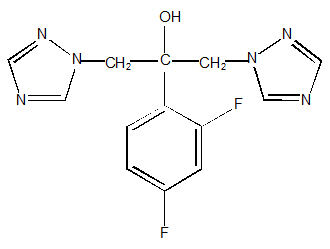 Diflucan🏭 Roerig
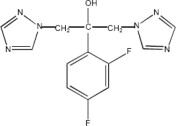 Fluconazole🏭 Sagent Pharmaceuticals
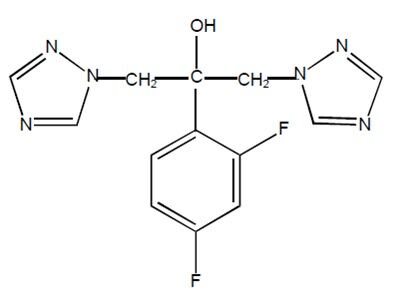 Fluconazole🏭 Zydus Lifesciences Limited
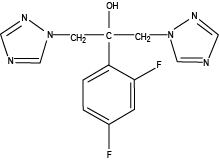 Fluconazole🏭 Slate Run Pharmaceuticals
✅ What it is used for
- Vaginal candidiasis (vaginal yeast infection)
- Oropharyngeal and esophageal candidiasis
- Cryptococcal meningitis
- Candida urinary tract infections, peritonitis and systemic Candida infections (including candidemia, disseminated candidiasis and pneumonia), based on small open noncomparative studies
- Prevention of candidiasis in bone marrow transplant patients receiving cytotoxic chemotherapy and/or radiation
🧪 Active ingredient
The active ingredient is fluconazole, a synthetic triazole antifungal that treats fungal infections caused by Candida and Cryptococcus.
🌿 Benefits
- Effective single-dose oral treatment for vaginal yeast infections
- Rapid and almost complete oral absorption
- Can be taken with or without meals
- Reduces the incidence of candidiasis in bone marrow transplant patients
📝 How to use
- Take by mouth, with or without food
- The dose and duration are set by your doctor or pharmacist according to the infection and your response; do not change them yourself
- Complete the full course prescribed even if symptoms improve, since too short a course may allow the infection to return
- Your doctor may prescribe a double first-day (loading) dose for some infections
💊 Dosage forms
- Tablets of 50, 100, 150 and 200 mg (the supplied product in this label is the 50 mg tablet)
⚠️ Common side effects
- Headache
- Nausea
- Abdominal pain
- Diarrhea
- Vomiting
- Skin rash
- Dyspepsia (indigestion)
- Dizziness
- Taste changes
🚨 Serious — seek medical help
- Serious liver problems (jaundice, hepatitis, hepatic failure), which are rare
- Severe allergic reactions (anaphylaxis) or angioedema
- Exfoliative skin disorders
- Hallucination and paranoid behavior reported with overdose
- QT prolongation when combined with certain drugs
⛔ Do not use if
- Hypersensitivity to fluconazole or any of its excipients
- Co-administration of QT-prolonging drugs metabolized via CYP3A4, such as erythromycin, pimozide and quinidine
- Use caution in patients hypersensitive to other azole antifungals
❗ Warnings & precautions
- Use with caution in liver dysfunction; watch for signs of liver injury (yellow skin or eyes, dark urine, abdominal pain) and report them promptly
- Stop and see your doctor if a rash progresses or allergic symptoms occur
- May harm the fetus at high doses during pregnancy
- Enzyme inhibition can persist 4 to 5 days after stopping treatment
- Elderly patients and those with kidney impairment may need dose adjustment based on renal function
🔄 Drug interactions
- Erythromycin, pimozide, quinidine: contraindicated (QT prolongation)
- Amiodarone: may increase QT prolongation; use caution
- Abrocitinib: concomitant use should be avoided
- Alfentanil: dose adjustment may be necessary
- Amitriptyline and nortriptyline: fluconazole increases their effect
- Narrow-therapeutic-window drugs metabolized through CYP2C9, CYP3A4 or CYP2C19: monitor for adverse reactions
- Tell your doctor or pharmacist about all medicines you take
🤰 Pregnancy
Use in pregnancy should be avoided except in severe or life-threatening fungal infections where the anticipated benefit outweighs the possible risk to the fetus. Case reports describe distinct congenital anomalies in infants exposed in the first trimester to high doses (400 to 800 mg/day), and epidemiological studies suggest a potential risk of spontaneous abortion and congenital abnormalities with 150 mg as a single or repeated dose in the first trimester. Women of child-bearing potential taking 400 to 800 mg/day should use effective contraception throughout treatment and for about 1 week after the final dose. Tell your doctor if you are or may become pregnant.
🍼 Breastfeeding
Fluconazole is present in low levels in breast milk after a single 150 mg dose. There are no data on levels after repeated or high doses, so caution should be exercised and your doctor consulted before use while nursing.
🧒 Children
Fluconazole has been used in children for oropharyngeal candidiasis, Candida esophagitis, systemic Candida infections and cryptococcal meningitis. Pediatric dosing is weight-based and set by the doctor only.
👴 Older adults
Older patients are more likely to have reduced kidney function, and fluconazole is cleared mainly by the kidneys, so the dose may need adjusting and renal function monitoring may be useful. Rash, vomiting and diarrhea occurred in greater proportions of older patients.
🌡️ Storage
Store at 20° to 25°C (68° to 77°F); excursions permitted to 15° to 30°C (59° to 86°F), in a tight container, out of the reach of children.
⏰ Missed dose
The label gives no specific instructions for a missed dose. Ask your doctor or pharmacist, and do not double the dose on your own.
🆘 Overdose
Overdose has been reported with hallucination and paranoid behavior. In case of overdose, seek emergency care or contact a poison center immediately; treatment is symptomatic and supportive, with gastric lavage if clinically indicated. A three-hour hemodialysis session lowers plasma levels by about 50%.
💰 Price & brands in your area
🏛️ Official price in Palestine — Ministry of Health price list:
| Product | Company | Pack | Price |
|---|---|---|---|
| ZOCLAN 150 MG CAP 1 CAP FLUCONAZOLE | Sama Pharmaceutical. Co. | 1 CAP | 22 ₪ |
| FLUCAN 150 MG 1 CAP FLUCONAZOLE | BPC | 1 caps | 23 ₪ |
| DICAN 150 MG 3 CAP FLUCONAZOLE | Pharmacare Company | 3 CAP | 54 ₪ |
📍 Find the nearest pharmacy
Your location is used only in your browser to show nearby pharmacies — we don't store it.
Open in Google Maps👨⚕️ For healthcare professionals
Mechanism of action
Fluconazole is a triazole antifungal and a moderate inhibitor of CYP2C9 and CYP3A4 and a strong inhibitor of CYP2C19. Oral bioavailability exceeds 90%, peak plasma concentration occurs at 1 to 2 hours, and terminal half-life is about 30 hours (20 to 50 hours). Absorption is not affected by food. It is primarily excreted unchanged by the kidneys.
Labeled dosing
General adult dosing per the label: vaginal candidiasis 150 mg as a single oral dose. Oropharyngeal candidiasis 200 mg on day 1, then 100 mg once daily for at least 2 weeks. Esophageal candidiasis 200 mg on day 1, then 100 mg once daily (up to 400 mg/day) for at least 3 weeks and at least 2 weeks after symptom resolution. Acute cryptococcal meningitis 400 mg on day 1, then 200 mg once daily (400 mg may be used) for 10 to 12 weeks after CSF culture becomes negative; suppression of relapse in AIDS 200 mg once daily. Prophylaxis in bone marrow transplantation 400 mg once daily. The dose is set by the doctor or pharmacist; self-medication is not advised.
- Oral and intravenous daily doses are the same because oral absorption is rapid and nearly complete
- A loading dose of twice the daily dose on day 1 is generally recommended, except in vaginal candidiasis
- Obtain fungal cultures and relevant laboratory studies before therapy, then adjust treatment per results
- Monitor liver function and discontinue if clinical signs of liver disease develop
- Adjust dose by creatinine clearance in elderly patients and those with renal impairment
- Enzyme-inhibiting effect persists 4 to 5 days after discontinuation
🎓 Key points for students
- Fluconazole: triazole antifungal inhibiting CYP2C19, CYP3A4 and CYP2C9
- Oral bioavailability above 90%, half-life about 30 hours, renally excreted
- Key contraindications: hypersensitivity and QT-prolonging CYP3A4-metabolized drugs (erythromycin, pimozide, quinidine)
- Key risks: rare hepatotoxicity, anaphylaxis, exfoliative skin disorders, fetal harm at high doses
- Double loading dose on day 1 for infections other than vaginal candidiasis (150 mg single dose)
EME runs your whole clinic: appointments with WhatsApp reminders, patient files, finance & inventory, a patient portal and a members-price medical store — with your data isolated and protected.
Try EME free How we protect your data❓ FAQ
What is fluconazole used for?
It treats vaginal, oropharyngeal and esophageal candidiasis and cryptococcal meningitis, and helps prevent candidiasis in bone marrow transplant patients.
Can fluconazole be taken with food?
Yes. It can be taken with or without food because food does not affect its absorption.
What are the most common side effects?
Headache, nausea, abdominal pain, diarrhea, vomiting and skin rash.
Can I take fluconazole during pregnancy?
Use should generally be avoided in pregnancy except in severe or life-threatening infections where the doctor judges the benefit outweighs the risk. Always consult your doctor.
When should I contact a doctor right away?
If you notice yellowing of the skin or eyes, severe abdominal pain, a worsening rash, swelling of the face or throat, or difficulty breathing.
⚕️ For education only — not a substitute for advice from your doctor or pharmacist. Do not start or stop any medicine without advice. Source: official FDA drug label via openFDA (2026-01), simplified. Updated: 2026-11-10.