
💊 Empagliflozin (Jardiance)
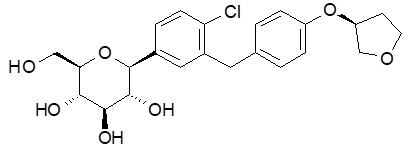
Empagliflozin (brand name Jardiance) is an oral medicine in the SGLT2 inhibitor class. It is used to reduce the risk of cardiovascular death and heart failure hospitalization, to help protect the kidneys in adults with chronic kidney disease at risk of progression, and to improve blood sugar control in type 2 diabetes. Your doctor or pharmacist determines the dose and how to use it.
In Arabic: إمباغليفلوزين
🏷️ Brand names & manufacturers
 Jardiance🏭 Redpharm DrugDailyMed
✅ What it is used for
- To reduce the risk of cardiovascular death and hospitalization for heart failure in adults with heart failure
- To reduce the risk of sustained decline in eGFR, end-stage kidney disease, cardiovascular death, and hospitalization in adults with chronic kidney disease at risk of progression
- To reduce the risk of cardiovascular death in adults with type 2 diabetes mellitus and established cardiovascular disease
- As an adjunct to diet and exercise to improve glycemic control in adults and pediatric patients aged 10 years and older with type 2 diabetes mellitus
🧪 Active ingredient
The active substance is empagliflozin, an inhibitor of SGLT2 in the kidney. It reduces the kidney's reabsorption of filtered glucose back into the blood, increasing glucose excretion in the urine, and also reduces sodium reabsorption.
🌿 Benefits
- Reduces the risk of cardiovascular death and hospitalization in people with heart failure
- Reduces the risk of kidney function decline in chronic kidney disease at risk of progression
- Improves blood sugar control in type 2 diabetes
- Reduces the risk of cardiovascular death in type 2 diabetes with established cardiovascular disease
📝 How to use
- Taken by mouth once daily in the morning, with or without food
- The dose is set by your doctor or pharmacist based on your condition; do not change it on your own
- Kidney function and volume status should be assessed before starting, and volume depletion corrected if present
- The medicine should be withheld for at least 3 days, if possible, before surgery or procedures with prolonged fasting, and resumed when you are clinically stable and eating normally
💊 Dosage forms
- 10 mg film-coated tablets (pale yellow, round)
- 25 mg film-coated tablets (pale yellow, oval)
⚠️ Common side effects
- Urinary tract infections
- Female genital fungal (mycotic) infections
🚨 Serious — seek medical help
- Diabetic ketoacidosis (can occur even with normal blood glucose levels)
- Volume depletion (dehydration)
- Urosepsis and pyelonephritis
- Necrotizing fasciitis of the perineum (Fournier's gangrene): pain, tenderness, redness, or swelling in the genital or perineal area with fever or malaise
- Hypoglycemia, especially when used with insulin or insulin secretagogues
- Infections or ulcers of the lower limbs (patients are monitored for these)
- Serious hypersensitivity reactions such as angioedema
⛔ Do not use if
- Hypersensitivity to empagliflozin or any of its ingredients; reactions such as angioedema have occurred
❗ Warnings & precautions
- Not recommended to improve glycemic control in type 1 diabetes because it may increase the risk of diabetic ketoacidosis
- Not recommended for glycemic control when eGFR is less than 30 mL/min/1.73 m²
- Not recommended for chronic kidney disease in patients with polycystic kidney disease, or those requiring or recently on intravenous immunosuppressive therapy or more than 45 mg prednisone or equivalent for kidney disease
- Volume status and renal function should be assessed before starting in patients with impaired renal function, elderly patients, or those on loop diuretics
- Stop the medicine and seek medical help immediately if ketoacidosis, necrotizing fasciitis, or an allergic reaction is suspected
- Monitor for infections or ulcers of the legs and feet and report them to your doctor
🔄 Drug interactions
- Diuretics: may increase the risk of volume depletion
- Insulin or insulin secretagogues (e.g., sulfonylureas): increase the risk of hypoglycemia; lower doses of these may be needed
- Lithium: serum lithium concentrations may decrease; monitor more frequently when starting or changing the dose
- Urine glucose tests will be positive because of the drug; monitoring glycemic control with urine glucose is not recommended
- 1,5-anhydroglucitol (1,5-AG) assay is unreliable for assessing glycemic control during treatment
🤰 Pregnancy
Not recommended during the second and third trimesters of pregnancy because of adverse renal effects seen in animal studies. Limited human data are not sufficient to determine the risk of birth defects or miscarriage. Poorly controlled diabetes in pregnancy carries risks to mother and fetus. Consult your doctor.
🍼 Breastfeeding
Not recommended while breastfeeding.
🧒 Children
Safety and effectiveness for improving glycemic control in type 2 diabetes have been established in patients aged 10 years and older; the risk of hypoglycemia was higher in pediatric patients regardless of insulin use. Not established in children under 10 years, nor in children for reducing cardiovascular or kidney risk.
👴 Older adults
Older patients have a higher risk of adverse reactions related to volume depletion and reduced renal function, and glucose-lowering efficacy may be diminished with renal impairment. In patients 75 years and older, the risks of volume depletion-related reactions and urinary tract infections were higher.
🌡️ Storage
Store at 20°C to 25°C (68°F to 77°F); excursions permitted to 15°C to 30°C (59°F to 86°F).
⏰ Missed dose
If a dose is missed, take it as soon as possible. Do not double up the next dose.
🆘 Overdose
In case of overdose, contact a poison control center or seek medical help immediately. Removal of empagliflozin by hemodialysis has not been studied.
💰 Price & brands in your area
Local prices are currently available for Palestine; more countries are coming. Ask your pharmacist for local price and alternatives.
📍 Find the nearest pharmacy
Your location is used only in your browser to show nearby pharmacies — we don't store it.
Open in Google Maps👨⚕️ For healthcare professionals
Mechanism of action
Inhibits SGLT2, the predominant transporter responsible for reabsorption of glucose from the glomerular filtrate, reducing renal glucose reabsorption, lowering the renal threshold for glucose, and increasing urinary glucose excretion. It also reduces sodium reabsorption and increases distal tubular sodium delivery, which may increase tubuloglomerular feedback, reduce intraglomerular pressure, lower cardiac pre- and afterload, and downregulate sympathetic activity.
Labeled dosing
Adults: 10 mg orally once daily in the morning, with or without food. For additional glycemic control, may increase to 25 mg once daily in patients tolerating 10 mg. Pediatric patients aged 10 years and older (glycemic control): same dosing. Dose is determined by the doctor or pharmacist.
- Assess renal function before initiation and as clinically indicated; correct volume depletion before starting
- Withhold for at least 3 days, if possible, before surgery or procedures with prolonged fasting
- Consider ketone monitoring in type 1 diabetes and others at risk for ketoacidosis; assess for ketoacidosis regardless of blood glucose level
- Consider lowering insulin or insulin secretagogue dose when initiating
- Most common adverse reactions (5% or greater): urinary tract infections and female genital mycotic infections
🎓 Key points for students
- Class: SGLT2 inhibitor (Sodium-Glucose Cotransporter 2 Inhibitor)
- Mechanism: reduces renal reabsorption of glucose and sodium, increasing urinary glucose excretion
- Indications: heart failure, chronic kidney disease, cardiovascular risk reduction in T2DM, and glycemic control
- Key warnings: ketoacidosis, volume depletion, genitourinary infections including Fournier's gangrene, hypoglycemia with insulin, lower limb amputation, hypersensitivity
- Lab effects: causes positive urine glucose and interferes with 1,5-AG assay
EME runs your whole clinic: appointments with WhatsApp reminders, patient files, finance & inventory, a patient portal and a members-price medical store — with your data isolated and protected.
Try EME free How we protect your data❓ FAQ
What is empagliflozin used for?
It is an SGLT2 inhibitor used for heart failure, chronic kidney disease, reducing cardiovascular risk in type 2 diabetes, and improving blood sugar control, as determined by your doctor.
How and when should I take it?
It is usually taken once daily in the morning, with or without food. Your doctor or pharmacist sets the dose.
What are the most common side effects?
Urinary tract infections and female genital fungal infections are the most common.
What should I do if I miss a dose?
Take it as soon as possible and do not double up the next dose.
Can it be used during pregnancy or breastfeeding?
It is not recommended during the second and third trimesters of pregnancy or while breastfeeding. Consult your doctor.
When should I stop the medicine and contact a doctor immediately?
If ketoacidosis is suspected, if you have pain, swelling, or redness in the genital area with fever, or if you have allergic symptoms such as swelling of the face or throat.
⚕️ For education only — not a substitute for advice from your doctor or pharmacist. Do not start or stop any medicine without advice. Source: official FDA drug label via openFDA (2026-02), simplified. Updated: 2026-11-10.