
💊 Digoxin (Digoxin)
Digoxin is a cardiac glycoside used in adults to treat mild to moderate heart failure and to control resting ventricular rate in chronic atrial fibrillation. In children with heart failure it is used to increase myocardial contractility. The gap between therapeutic and toxic levels is small, so it must be taken under medical supervision.
In Arabic: ديجوكسين
🏷️ Brand names & manufacturers
Packages shown are US-market (DailyMed). Brands available in Palestine are in the price section below.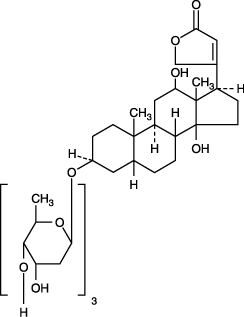 Lanoxin🏭 Covis Pharma US, Inc
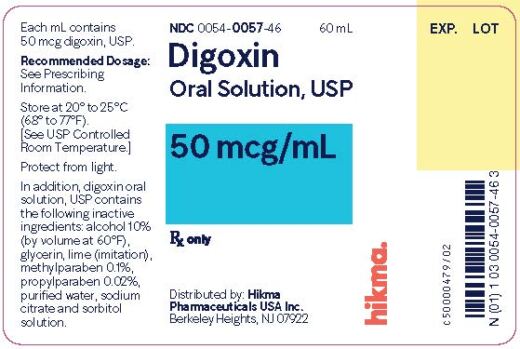 Digoxin🏭 Hikma Pharmaceuticals USA Inc.
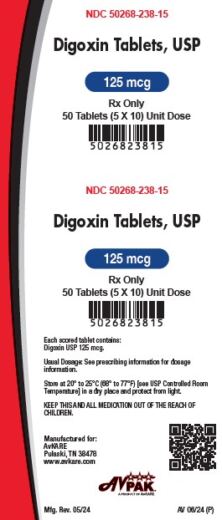 Digoxin🏭 AvPAK
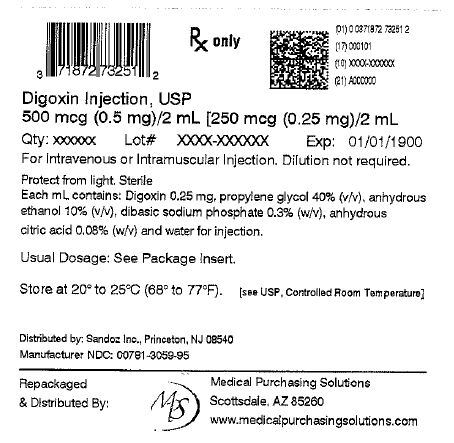 Digoxin🏭 Medical Purchasing Solutions, LLC
✅ What it is used for
- Treatment of mild to moderate heart failure in adults
- Control of resting ventricular response rate in chronic atrial fibrillation in adults
- Increasing myocardial contractility in pediatric patients with heart failure
🧪 Active ingredient
The active substance is digoxin, extracted from the leaves of Digitalis lanata (foxglove). It inhibits the NaK-ATPase enzyme (the sodium pump), increasing intracellular calcium in heart muscle, which strengthens contraction, slows heart rate and reduces conduction velocity through the AV node.
🌿 Benefits
- Improves heart failure symptoms and increases exercise capacity
- Decreases heart failure-related hospitalizations and emergency care
- Increases left ventricular ejection fraction
- Slows ventricular rate in chronic atrial fibrillation
- Has no effect on mortality, according to the label
📝 How to use
- Taken by mouth only.
- Your dose is set by your doctor or pharmacist based on lean body weight, kidney function, age, other conditions and other medicines; do not change it yourself.
- Use the oral syringe supplied in the carton to measure the dose accurately.
- Your doctor may check your blood digoxin level to monitor your treatment.
- Do not stop or adjust the medicine without consulting your doctor.
💊 Dosage forms
- Oral solution: each 1 mL contains 50 mcg digoxin (clear, colorless, lime-flavored)
- Supplied oral syringe is marked in 0.1 mL divisions, each equal to 5 mcg
- The syringe supplied with the 60 mL bottle is not appropriate for doses below 0.1 mL
⚠️ Common side effects
- Loss of appetite
- Nausea, vomiting and diarrhea
- Headache, weakness and dizziness
- Visual disturbances (blurred vision, green-yellow color changes, halo effect)
- Rash and other skin reactions
🚨 Serious — seek medical help
- Heart rhythm disturbances and various types of heart block
- Severe slow heart rate
- Confusion, anxiety, depression, delirium and hallucination
- Abdominal pain, intestinal ischemia and hemorrhagic necrosis of the intestines
- Thrombocytopenia (low platelet count)
- Gynecomastia with prolonged use
- In children: sinus bradycardia may signal impending toxicity
⛔ Do not use if
- Known hypersensitivity to digoxin or other forms of digitalis
- Ventricular fibrillation
❗ Warnings & precautions
- The gap between therapeutic and toxic levels is narrow.
- Patients with Wolff-Parkinson-White syndrome who develop atrial fibrillation are at risk of ventricular fibrillation.
- May cause severe bradycardia or advanced/complete heart block, particularly in sinus node disease or incomplete AV block; a pacemaker may need to be considered before treatment.
- Signs of toxicity (anorexia, nausea, vomiting) may be mistaken for worsening heart failure.
- Renal impairment increases exposure and requires dose adjustment.
- Low potassium, low magnesium and high calcium increase toxicity.
- Should not be used for multifocal atrial tachycardia.
- In hypermetabolic states, ventricular rate control is particularly resistant to digoxin.
- May cause potentially detrimental increases in coronary vascular resistance; avoid in myocarditis.
🔄 Drug interactions
- Amiodarone, captopril, clarithromycin, dronedarone, gentamicin, erythromycin, itraconazole, lapatinib, propafenone, quinidine, ranolazine, ritonavir, telaprevir, tetracycline, verapamil: raise digoxin levels by more than 50%; digoxin dose reduction of about 30% to 50% may be needed.
- Atorvastatin, carvedilol, diltiazem, indomethacin, nifedipine, spironolactone, telmisartan, ticagrelor, tolvaptan, trimethoprim and others: raise levels by less than 50%; dose reduction of about 15% to 30% may be needed.
- Drugs that induce or inhibit P-glycoprotein can alter digoxin levels.
- Tell your doctor and pharmacist about all medicines you take before starting, adjusting or stopping any medicine.
🤰 Pregnancy
Decades of experience in pregnant women have not identified a drug-associated risk of major birth defects, miscarriage or adverse maternal/fetal outcomes. Digoxin crosses the placenta and is found in amniotic fluid; neonates should be monitored for signs of toxicity. Dose requirements may increase during pregnancy and decrease postpartum, and serum levels should be monitored. Consult your doctor before use.
🍼 Breastfeeding
The label text provided contains no information on breastfeeding. Consult your doctor or pharmacist before use while breastfeeding.
🧒 Children
Used to increase myocardial contractility in children with heart failure, but there are no clinical efficacy studies demonstrating benefit. It may cause arrhythmias; any new arrhythmia in a child taking digoxin should initially be assumed to be due to toxicity. The doctor sets the dose carefully.
👴 Older adults
No differences in response or adverse effects were identified between elderly and younger patients, but the risk of toxicity may be greater with impaired kidney function, which is more common in the elderly. Dose should be based on renal function, and monitoring is advised.
🌡️ Storage
Store at 20° to 25°C (68° to 77°F). Protect from light.
⏰ Missed dose
The label text provided gives no specific instructions for a missed dose. Consult your doctor or pharmacist and do not double the dose on your own.
🆘 Overdose
The most common signs of toxicity are nausea, vomiting, anorexia and fatigue. Serious cardiac arrhythmias and high potassium may occur. If an overdose is suspected, call emergency services or a poison center immediately; do not wait for symptoms.
💰 Price & brands in your area
📍 Find the nearest pharmacy
Your location is used only in your browser to show nearby pharmacies — we don't store it.
Open in Google Maps👨⚕️ For healthcare professionals
Mechanism of action
Digoxin inhibits NaK-ATPase, increasing intracellular calcium in myocardium and conduction tissue, producing positive inotropy, negative chronotropy and reduced AV nodal conduction velocity, with decreased activation of the sympathetic nervous system and renin-angiotensin system.
Labeled dosing
Dose is based on clinical assessment and patient factors: lean body weight, renal function, age, concurrent disease and concomitant medication. Estimate the daily maintenance dose, adjust for patient factors, and choose whether to give a loading dose for rapid titration or start a maintenance dose for gradual accumulation. Steady state is reached in about 1 to 3 weeks. Oral solution: 50 mcg/mL. Sample serum levels just before the next dose, or at least 6 hours after the last dose.
- Efficacy is diminished at serum levels below 0.5 ng/mL; levels above 2 ng/mL increase toxicity without added benefit.
- An isolated serum level should not be used alone to adjust the dose.
- With interacting drugs that raise levels by more than 50%, reduce the digoxin dose by about 30% to 50%.
- Monitor potassium, magnesium, calcium and renal function.
- Where possible use with a diuretic and an ACE inhibitor.
- Severe toxicity: Digoxin Immune Fab (DIGIBIND, DIGIFAB).
🎓 Key points for students
- Class: cardiac glycoside extracted from Digitalis lanata.
- Mechanism: NaK-ATPase inhibition leading to increased intracellular calcium and positive inotropy.
- Indications: mild to moderate heart failure; ventricular rate control in chronic atrial fibrillation.
- Narrow therapeutic index: serum range roughly 0.5 to 2 ng/mL.
- Contraindications: hypersensitivity to digitalis and ventricular fibrillation.
- Renally excreted, so adjust dose in renal impairment.
- Interaction examples: amiodarone, verapamil and quinidine raise levels.
- Toxicity signs: nausea, vomiting, visual disturbances, arrhythmias; treated with Digoxin Immune Fab.
EME runs your whole clinic: appointments with WhatsApp reminders, patient files, finance & inventory, a patient portal and a members-price medical store — with your data isolated and protected.
Try EME free How we protect your data❓ FAQ
What is digoxin used for?
In adults it treats mild to moderate heart failure and controls resting heart rate in chronic atrial fibrillation. In children it is used to increase heart contractility in heart failure.
Can I adjust my digoxin dose myself?
No. The dose is set by your doctor or pharmacist based on your condition, kidney function and other medicines, because toxic levels are only slightly higher than therapeutic levels.
What are the signs of digoxin toxicity?
Loss of appetite, nausea, vomiting, fatigue, visual disturbances (green-yellow color or halos), dizziness and heart rhythm problems. See a doctor immediately if these occur.
Does digoxin interact with other medicines?
Yes. Many drugs such as amiodarone, verapamil, quinidine and some antibiotics can raise digoxin levels. Tell your doctor about everything you take.
Can digoxin be used in pregnancy?
The label reports no identified drug-associated risk in pregnancy, but dose needs may change and levels should be monitored by your doctor.
⚕️ For education only — not a substitute for advice from your doctor or pharmacist. Do not start or stop any medicine without advice. Source: official FDA drug label via openFDA (2025-04), simplified. Updated: 2026-11-11.