
💊 Ciprofloxacin (Ciprofloxacin)
Ciprofloxacin is an oral fluoroquinolone antibacterial used to treat a number of bacterial infections in adults and, in specific cases, in children. It should be used only for infections that are proven or strongly suspected to be caused by bacteria. It carries a boxed warning for serious adverse reactions that may be disabling and potentially irreversible, including tendinitis and tendon rupture, peripheral neuropathy, and central nervous system effects.
In Arabic: سيبروفلوكساسين
🏷️ Brand names & manufacturers
Packages shown are US-market (DailyMed). Brands available in Palestine are in the price section below.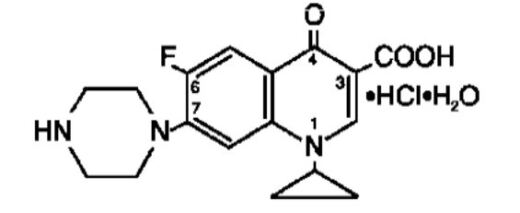 Cipro🏭 Bayer HealthCare Pharmaceuticals Inc.
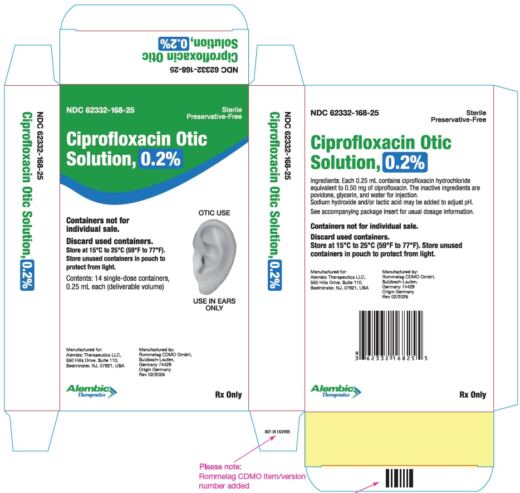 Ciprofloxacin Otic🏭 Alembic Pharmaceuticals Inc.
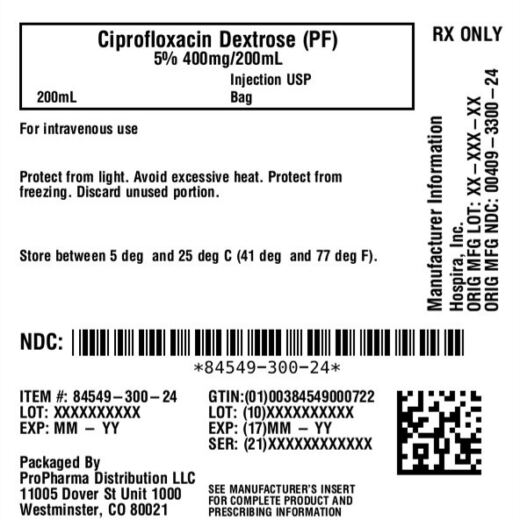 Ciprofloxacin In Dextrose🏭 ProPharma Distribution
 Ciprofloxacin🏭 Umasuto, LLC
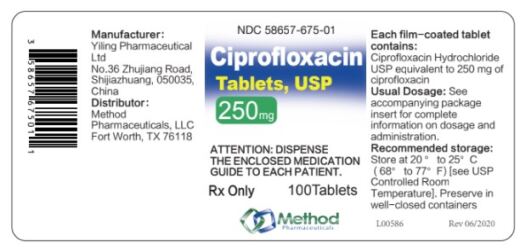 Ciprofloxacin🏭 Redpharm Drug
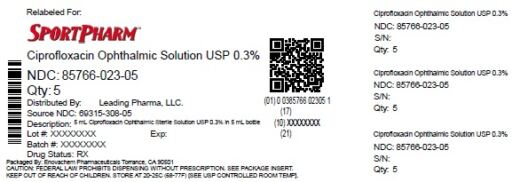 Ciprofloxacin🏭 Sportpharm LLC
✅ What it is used for
- Skin and skin structure infections
- Bone and joint infections
- Complicated intra-abdominal infections (in combination with metronidazole)
- Infectious diarrhea
- Typhoid fever (enteric fever)
- Uncomplicated cervical and urethral gonorrhea
- Inhalational anthrax post-exposure in adults and children
- Plague in adults and children
- Chronic bacterial prostatitis
- Lower respiratory tract infections (acute exacerbation of chronic bronchitis)
- Urinary tract infections and acute uncomplicated cystitis
- Complicated UTI and pyelonephritis in pediatric patients
- Acute sinusitis
🧪 Active ingredient
The active ingredient is ciprofloxacin, a fluoroquinolone antibacterial that treats infections caused by susceptible bacteria.
🌿 Benefits
- Treats a range of bacterial infections listed in the label
- Given by mouth; switching from intravenous ciprofloxacin is possible when clinically indicated at the physician's discretion
- Oral bioavailability of approximately 70%
📝 How to use
- Take by mouth as prescribed by your doctor.
- The dose and duration are set by the doctor or pharmacist based on the type and severity of infection and kidney and liver function; do not change them without consulting them.
- Treatment is generally continued for at least 2 days after signs and symptoms of infection have disappeared (except for inhalational anthrax post-exposure); complete the course as directed.
- Taking the drug with food delays its absorption.
💊 Dosage forms
- 250 mg white, round, film-coated tablets imprinted with "WW927" on one side
⚠️ Common side effects
- Nausea
- Diarrhea
- Abnormal liver function tests
- Vomiting
- Rash
🚨 Serious — seek medical help
- Tendinitis and tendon rupture
- Peripheral neuropathy
- Central nervous system effects (hallucinations, anxiety, depression, insomnia, severe headaches, confusion)
- Exacerbation of myasthenia gravis
- Serious and sometimes fatal hypersensitivity reactions (anaphylaxis)
- Hepatitis and jaundice
- Aortic aneurysm and dissection
- Clostridioides difficile-associated diarrhea
- QT prolongation and arrhythmia
- Photosensitivity/phototoxicity
- Low or high blood sugar, sometimes severe
⛔ Do not use if
- Known hypersensitivity to ciprofloxacin, other quinolones, or any component of the product
- Concomitant administration with tizanidine
❗ Warnings & precautions
- Stop the drug immediately and contact your doctor at the first signs of serious reactions such as tendon pain, numbness/tingling, or mental changes; avoid fluoroquinolones in patients who have had these reactions.
- Avoid in patients with a known history of myasthenia gravis.
- Discontinue at the first sign of skin rash, jaundice, or any sign of hypersensitivity.
- Reserve for patients with no alternative treatment options in acute exacerbation of chronic bronchitis, acute uncomplicated cystitis, and acute sinusitis.
- Avoid in patients with known QT prolongation or hypokalemia.
- Elderly patients and those taking corticosteroids are at higher risk of tendon rupture.
- Dose adjustment may be needed in renal impairment.
- Contact your doctor for severe or bloody diarrhea.
🔄 Drug interactions
- Tizanidine: contraindicated
- Theophylline: avoid; if unavoidable, monitor serum levels and adjust dose
- Drugs that prolong the QT interval (e.g., class IA or III antiarrhythmics, tricyclic antidepressants, macrolides, antipsychotics): avoid
- Oral antidiabetic drugs (mainly sulfonylureas): use with caution and monitor blood glucose due to risk of hypoglycemia
- Phenytoin: use with caution as serum levels may increase or decrease
- Magnesium-, aluminum-, or calcium-containing antacids can reduce absorption
- Ciprofloxacin inhibits CYP1A2, which can increase levels of drugs metabolized by it
🤰 Pregnancy
Published experience over several decades has not identified a drug-associated risk of major birth defects, miscarriage, or adverse maternal or fetal outcomes, though studies have methodological limitations. Animal studies at the doses tested did not show fetal malformations. Consult your doctor before use.
🍼 Breastfeeding
Ciprofloxacin is present in human milk. Breastfeeding is not recommended during treatment and for 2 days after the last dose, or a woman may pump and discard breast milk during that period. For inhalational anthrax (post-exposure), the risk-benefit of continuing breastfeeding may be acceptable. Monitor the infant for loose or bloody stools and candidiasis (thrush, diaper rash).
🧒 Children
Not a drug of first choice in children due to an increased incidence of adverse reactions, including joint-related events. It is indicated for complicated UTI and pyelonephritis (ages 1 to 17), and for inhalational anthrax post-exposure and plague (birth to 17 years), where the risk-benefit assessment supports use.
👴 Older adults
Older patients are at increased risk of severe tendon disorders including rupture, especially with concomitant corticosteroids, and of aortic aneurysm and dissection. No dose change is needed with normal renal function, but care should be taken as renal function may be reduced with age.
🌡️ Storage
Store at 20° to 25°C (68° to 77°F) in a tight, light-resistant container with a child-resistant closure, out of reach of children.
⏰ Missed dose
The label does not give specific instructions for a missed dose. Ask your doctor or pharmacist and do not double the dose on your own.
🆘 Overdose
Reversible renal toxicity has been reported. Seek medical help immediately. Management includes emptying the stomach, careful observation, supportive treatment, monitoring of renal function, and adequate hydration. Less than 10% of the drug is removed by hemodialysis or peritoneal dialysis.
💰 Price & brands in your area
🏛️ Official price in Palestine — Ministry of Health price list:
| Product | Company | Pack | Price |
|---|---|---|---|
| CIPRO - SAMA 500 Ciprofloxacin HCl | Sama Pharmaceutical. Co. | 10 Tab | 25 ₪ |
| FLOXIN 500MG TABLETS CIPROFLOXACIN (AS HCL) 500MG | Jepharm Co. | 10 tab | 25 ₪ |
| DEXIPRO EAR DROPS 7.5 ml Ciprofloxacin 0.3%, Dexamethasone 0.1% | Alison pharmaceutical company | 7.5 ml | 32 ₪ |
| CIPROCARE XR 7 TAB Ciprofloxacin 1000 mg | Pharmacare Company | 7 TABLETS / BOX | 35 ₪ |
| FLOXIN-HC OTIC DROPS CIPROFLOXACIN (AS HCL) 0.2%& HYDROCORTISONE 1% | Jepharm Co. | BOTTLE OF 10 ML | 37 ₪ |
| CIPROCARE 500 MG TABLETS Ciprofloxacin500mg | Pharmacare Company | 15 TABLETS / BOX | 38 ₪ |
| CIPRO-SAMA 750mg Ciprofloxacin hydrochloride 750 mg | Sama Pharmaceutical. Co. | film coated tablet /1 blister*10 tablets | 38 ₪ |
| CIPROCARE 750 mg TABLETS Ciprofloxacin750 mg | Pharmacare Company | 10 TABLETS / BOX | 38 ₪ |
| CIPROCARE XR TABLETS (14 tab) Ciprofloxacin 1000 mg | Pharmacare Company | 14 TABLETS / BOX | 63 ₪ |
📍 Find the nearest pharmacy
Your location is used only in your browser to show nearby pharmacies — we don't store it.
Open in Google Maps👨⚕️ For healthcare professionals
Mechanism of action
Ciprofloxacin is a fluoroquinolone antibacterial (see Microbiology, section 12.4 of the label). Oral bioavailability is approximately 70%, serum Cmax is reached 1–2 hours after dosing, and the half-life is about 4 hours with normal renal function. Food delays absorption. It inhibits CYP1A2.
Labeled dosing
General adult dosing per the label: skin/skin structure 500–750 mg q12h for 7–14 days; bone and joint 500–750 mg q12h for 4–8 weeks; complicated intra-abdominal 500 mg q12h for 7–14 days; infectious diarrhea 500 mg q12h for 5–7 days; typhoid fever 500 mg q12h for 10 days; uncomplicated gonorrhea 250 mg single dose; inhalational anthrax (post-exposure) 500 mg q12h for 60 days; plague 500–750 mg q12h for 14 days; chronic bacterial prostatitis 500 mg q12h for 28 days; lower respiratory tract 500–750 mg q12h for 7–14 days; urinary tract 250–500 mg q12h for 7–14 days; acute uncomplicated cystitis 250 mg q12h for 3 days; acute sinusitis 500 mg q12h for 10 days. Renal impairment: CrCl 30–50 mL/min 250–500 mg q12h; 5–29 mL/min 250–500 mg q18h; hemodialysis/peritoneal dialysis 250–500 mg q24h after dialysis. Dose and duration are determined by the treating physician.
- Boxed warning: tendinitis and tendon rupture, peripheral neuropathy, CNS effects, and exacerbation of myasthenia gravis.
- Reserve for patients without alternative options in acute exacerbation of chronic bronchitis, acute uncomplicated cystitis, and acute sinusitis.
- Risks include aortic aneurysm and dissection, QT prolongation, hepatotoxicity, and C. difficile-associated diarrhea.
- Tizanidine is contraindicated; avoid theophylline and QT-prolonging drugs; monitor blood glucose with oral antidiabetics; use caution with phenytoin.
- Consider renal and hepatic function when determining dosage.
🎓 Key points for students
- Class: fluoroquinolone antibacterial.
- Boxed warning: tendinitis/tendon rupture, peripheral neuropathy, CNS effects, myasthenia gravis exacerbation.
- CYP1A2 inhibitor: raises levels of drugs metabolized by it (tizanidine, theophylline).
- Contraindicated with tizanidine and in hypersensitivity to quinolones.
- Common adverse effects: nausea, diarrhea, abnormal LFTs, vomiting, rash.
- Elderly and corticosteroid users have higher tendon rupture risk.
- Oral bioavailability about 70%; half-life about 4 hours.
EME runs your whole clinic: appointments with WhatsApp reminders, patient files, finance & inventory, a patient portal and a members-price medical store — with your data isolated and protected.
Try EME free How we protect your data❓ FAQ
What is ciprofloxacin used for?
It treats several bacterial infections, including skin, bone and joint, urinary tract, respiratory tract infections, infectious diarrhea, and typhoid fever, as decided by your doctor.
What are the most serious side effects?
Among the most serious are tendinitis and tendon rupture, peripheral neuropathy, and central nervous system effects. Stop the drug immediately and contact your doctor if any occur.
Can it be taken with other medicines?
It must not be used with tizanidine. Avoid it with theophylline and QT-prolonging drugs, and use caution with oral antidiabetic drugs and phenytoin. Tell your doctor about all your medicines.
Is it suitable for children?
It is not a first-choice drug in children because of more frequent adverse reactions, but it is used in specific situations after your doctor's assessment.
Can I breastfeed while taking it?
Breastfeeding is not recommended during treatment and for 2 days after the last dose, or you may pump and discard milk during this period, as advised by your doctor.
⚕️ For education only — not a substitute for advice from your doctor or pharmacist. Do not start or stop any medicine without advice. Source: official FDA drug label via openFDA (2022-03), simplified. Updated: 2026-11-10.