
💊 Celecoxib (Celecoxib)
Celecoxib is a prescription NSAID used to relieve the signs and symptoms of several types of arthritis, acute pain, and primary dysmenorrhea. It carries a boxed warning about serious cardiovascular thrombotic events and gastrointestinal bleeding, so it should be used at the lowest effective dose for the shortest duration under medical supervision.
In Arabic: سيليكوكسيب
🏷️ Brand names & manufacturers
Packages shown are US-market (DailyMed). Brands available in Palestine are in the price section below.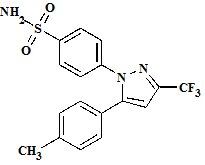 Celebrex🏭 Viatris Specialty LLC
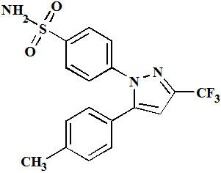 Vyscoxa🏭 Carwin Pharmaceutical Associates, LLC
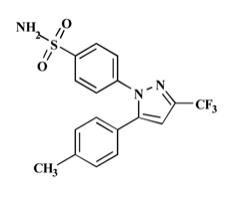 Celecoxib🏭 Actavis Pharma, Inc.
 Celecoxib🏭 Unichem Pharmaceuticals (USA), Inc.
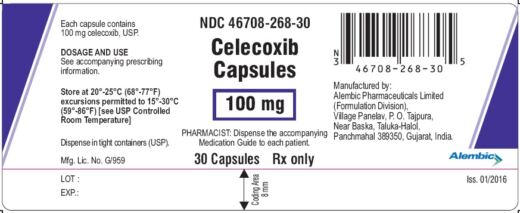 Celecoxib🏭 Alembic Pharmaceuticals Limited
✅ What it is used for
- Management of signs and symptoms of osteoarthritis (OA)
- Management of signs and symptoms of rheumatoid arthritis (RA)
- Juvenile rheumatoid arthritis (JRA) in patients 2 years and older
- Ankylosing spondylitis (AS)
- Management of acute pain in adults
- Primary dysmenorrhea
🧪 Active ingredient
The active ingredient is celecoxib, which inhibits prostaglandin synthesis (primarily via COX-2 inhibition). Prostaglandins mediate pain and inflammation, so this produces analgesic, anti-inflammatory, and antipyretic effects.
🌿 Benefits
- Relieves pain and inflammation in arthritic conditions
- Manages acute pain
- Relieves menstrual pain (primary dysmenorrhea)
- Did not reduce platelet aggregation or increase bleeding time in clinical trials, but it is not a substitute for aspirin for cardiovascular prophylaxis
📝 How to use
- The dose and duration are set by your doctor or pharmacist; do not change them on your own.
- Use the lowest effective dose for the shortest duration consistent with treatment goals.
- Taken by mouth; doses can be taken without regard to meals.
- For children who have difficulty swallowing capsules: per the label, the capsule contents may be carefully emptied onto a level teaspoon of cool or room-temperature applesauce and swallowed immediately with water, as directed by the doctor.
💊 Dosage forms
- Capsules: 50 mg, 100 mg, 200 mg, and 400 mg
⚠️ Common side effects
- Abdominal pain
- Diarrhea
- Dyspepsia (indigestion)
- Flatulence
- Nausea
- Peripheral edema
- Dizziness
- Headache
- Insomnia
- Pharyngitis, rhinitis, sinusitis
- Upper respiratory tract infection
- Rash
- Back pain and accidental injury
🚨 Serious — seek medical help
- Myocardial infarction and stroke
- Gastrointestinal bleeding, ulceration, and perforation, which can be fatal
- Hepatotoxicity
- Hypertension
- Heart failure and edema
- Renal toxicity and hyperkalemia
- Anaphylactic reactions
- Serious skin reactions and DRESS (drug reaction with eosinophilia and systemic symptoms)
- Anemia and other hematologic toxicity
⛔ Do not use if
- Known hypersensitivity to celecoxib or any component of the product
- Known hypersensitivity (allergic-type reactions) to sulfonamides
- History of asthma, urticaria, or other allergic-type reactions after taking aspirin or other NSAIDs
- In the setting of coronary artery bypass graft (CABG) surgery
❗ Warnings & precautions
- Boxed warning: increased risk of serious cardiovascular thrombotic events (MI, stroke), which may occur early and increase with duration of use.
- Boxed warning: increased risk of serious GI bleeding, ulceration, and perforation, which can occur without warning symptoms; elderly patients and those with prior peptic ulcer disease or GI bleeding are at greater risk.
- Hepatotoxicity: discontinue if abnormal liver tests persist or worsen or clinical signs of liver disease develop.
- Hypertension: monitor blood pressure.
- Avoid in severe heart failure unless benefits are expected to outweigh risks.
- Monitor renal function in patients with renal or hepatic impairment, heart failure, dehydration, or hypovolemia; avoid in advanced renal disease unless benefits outweigh risks.
- Discontinue at the first appearance of skin rash or other signs of hypersensitivity; seek emergency help for anaphylactic reactions.
- Monitor hemoglobin or hematocrit in patients with signs or symptoms of anemia.
- NSAIDs are associated with reversible infertility; consider withdrawal in women who have difficulty conceiving.
- In patients with systemic onset JRA, monitor for signs and symptoms of abnormal clotting or bleeding.
🔄 Drug interactions
- Anticoagulants (e.g., warfarin), antiplatelet drugs (e.g., aspirin), SSRIs and SNRIs: increased risk of bleeding; monitor for signs of bleeding.
- Aspirin at analgesic doses: not generally recommended due to increased bleeding and GI adverse reactions; celecoxib is not a substitute for low-dose aspirin for cardiovascular protection.
- ACE inhibitors, ARBs, and beta-blockers: NSAIDs may diminish antihypertensive effect, and co-administration in elderly, volume-depleted, or renally impaired patients may increase the risk of worsening renal function.
- CYP2C9 substrates (e.g., warfarin, phenytoin): caution in known or suspected CYP2C9 poor metabolizers.
🤰 Pregnancy
NSAIDs, including celecoxib, can cause premature closure of the fetal ductus arteriosus and fetal renal dysfunction leading to oligohydramnios. Limit dose and duration between about 20 and 30 weeks of gestation and avoid use at about 30 weeks and later. Consult your doctor before use during pregnancy.
🍼 Breastfeeding
The label text provided does not include information on breastfeeding; consult your doctor or pharmacist before use while breastfeeding.
🧒 Children
Approved for JRA in patients 2 years and older, with weight-based dosing determined by the doctor. Safety and efficacy have not been studied beyond six months in children, and it has not been studied in patients under 2 years or under 10 kg. Alternative therapies should be considered for children identified as CYP2C9 poor metabolizers.
👴 Older adults
Elderly patients are at greater risk for NSAID-associated serious cardiovascular, gastrointestinal, and renal adverse reactions. If the benefit outweighs the risk, start at the low end of the dosing range and monitor for adverse effects.
🌡️ Storage
Store at room temperature, 20° to 25°C (68° to 77°F).
⏰ Missed dose
The label text provided does not specify instructions for a missed dose; ask your doctor or pharmacist and do not double the dose on your own.
🆘 Overdose
Symptoms may include lethargy, drowsiness, nausea, vomiting, and epigastric pain; GI bleeding can occur, and rarely hypertension, acute renal failure, respiratory depression, and coma. There is no specific antidote; management is supportive. Seek emergency care or contact a poison control center immediately if overdose is suspected.
💰 Price & brands in your area
Local prices are currently available for Palestine; more countries are coming. Ask your pharmacist for local price and alternatives.
📍 Find the nearest pharmacy
Your location is used only in your browser to show nearby pharmacies — we don't store it.
Open in Google Maps👨⚕️ For healthcare professionals
Mechanism of action
Celecoxib's analgesic, anti-inflammatory, and antipyretic effects are believed to result from inhibition of prostaglandin synthesis, primarily via COX-2 inhibition. Peak plasma levels occur about 3 hours after an oral dose; it is highly protein bound (>97%), primarily metabolized by CYP2C9, with a half-life of approximately 11 hours. At studied doses it did not reduce platelet aggregation or increase bleeding time.
Labeled dosing
General adult dosing per label: OA 200 mg/day as a single dose or 100 mg twice daily; RA 100–200 mg twice daily; AS 200 mg daily (single or divided), with a trial of 400 mg daily if no effect after 6 weeks; acute pain and primary dysmenorrhea 400 mg initially, plus an additional 200 mg if needed on day 1, then 200 mg twice daily as needed. JRA: 50 mg twice daily for 10–25 kg; 100 mg twice daily for >25 kg. Reduce dose by 50% in moderate hepatic impairment (Child-Pugh B); not recommended in severe hepatic impairment; in known or suspected CYP2C9 poor metabolizers, initiate at half the lowest recommended dose. Final dosing is determined by the prescriber.
- Use the lowest effective dose for the shortest duration.
- Contraindicated in the setting of CABG surgery.
- May be given without regard to meal timing.
- Monitor blood pressure, renal and hepatic function, and hemoglobin/hematocrit as clinically indicated.
- Not a substitute for low-dose aspirin for cardiovascular protection.
🎓 Key points for students
- Class: COX-2-selective NSAID.
- Boxed warning: cardiovascular thrombotic events and GI bleeding, ulceration, and perforation.
- Contraindications: sulfonamide allergy, aspirin/NSAID-triggered asthma/urticaria/allergic reactions, CABG setting.
- Metabolized by CYP2C9; reduce dose 50% in poor metabolizers or moderate hepatic impairment.
- Overdose: supportive care, no specific antidote; consider activated charcoal if seen early or large ingestion.
- Avoid at about 30 weeks gestation and later due to risk of premature ductus arteriosus closure.
EME runs your whole clinic: appointments with WhatsApp reminders, patient files, finance & inventory, a patient portal and a members-price medical store — with your data isolated and protected.
Try EME free How we protect your data❓ FAQ
What is celecoxib used for?
It is used to relieve signs and symptoms of osteoarthritis, rheumatoid arthritis, juvenile rheumatoid arthritis, and ankylosing spondylitis, as well as acute pain and primary dysmenorrhea.
Can it be taken with food?
Yes, it can be taken with or without food. Your doctor or pharmacist determines the dose.
What are the main risks?
It can increase the risk of heart attack, stroke, and bleeding, ulcers, or perforation of the stomach or intestines, so it should be used at the lowest effective dose for the shortest time under medical supervision.
Who should not use it?
People allergic to celecoxib or sulfonamides, those who had asthma, hives, or allergic reactions after aspirin or other NSAIDs, and in the setting of coronary artery bypass graft surgery.
Is it safe in pregnancy?
Use should be limited between about 20 and 30 weeks of gestation and avoided at about 30 weeks and later; always consult your doctor.
⚕️ For education only — not a substitute for advice from your doctor or pharmacist. Do not start or stop any medicine without advice. Source: official FDA drug label via openFDA (2025-04), simplified. Updated: 2026-11-10.