
💊 Carbamazepine (Carbamazepine)
Carbamazepine is prescribed to treat epilepsy (complex partial seizures, generalized tonic-clonic seizures and mixed seizure patterns) and to relieve the pain of true trigeminal neuralgia. It is not a simple analgesic and carries a boxed warning for serious skin reactions and blood disorders. It should be used only as prescribed by a doctor, with appropriate laboratory monitoring.
In Arabic: كاربامازيبين
🏷️ Brand names & manufacturers
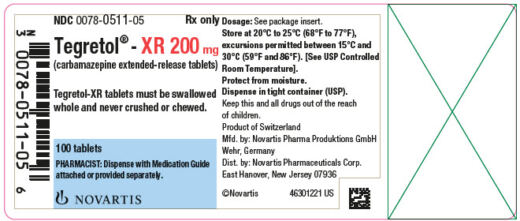 Tegretol🏭 Novartis Pharmaceuticals CorporationDailyMed
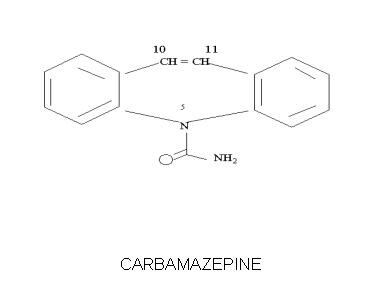 Carbatrol🏭 Takeda Pharmaceuticals America, Inc.DailyMed
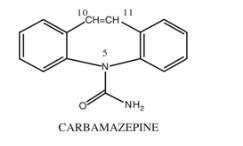 Equetro🏭 Validus Pharmaceuticals LLCDailyMed
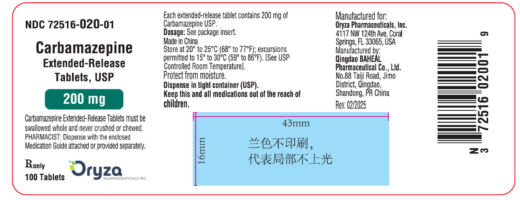 Carbamazepine Er🏭 Oryza Pharmaceuticals Inc.DailyMed
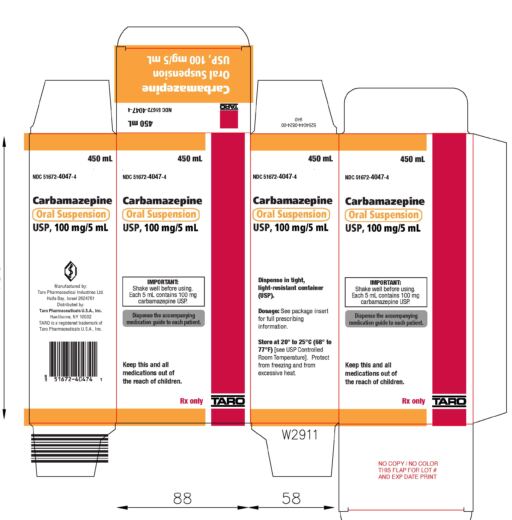 Carbamazepine🏭 Sun Pharmaceutical Industries, Inc.DailyMed
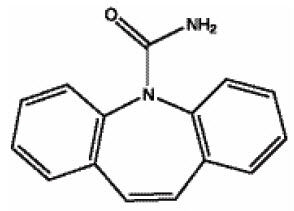 Carbamazepine🏭 NCS HealthCare of KY, LLC dba Vangard LabsDailyMed
✅ What it is used for
- Epilepsy: partial seizures with complex symptomatology (psychomotor, temporal lobe)
- Generalized tonic-clonic (grand mal) seizures
- Mixed seizure patterns
- Pain associated with true trigeminal neuralgia
- Beneficial results also reported in glossopharyngeal neuralgia
- Not for trivial aches or pains; absence (petit mal) seizures do not appear to be controlled
🧪 Active ingredient
Carbamazepine is an anticonvulsant chemically unrelated to other anticonvulsants. It appears to reduce polysynaptic responses and block post-tetanic potentiation, but its exact mechanism of action remains unknown.
🌿 Benefits
- Controls complex partial and generalized tonic-clonic seizures
- Relieves pain of true trigeminal neuralgia
- Available in several formulations (tablets, extended-release, suspension)
📝 How to use
- The dose is set by your doctor or pharmacist and adjusted to your needs; do not change it on your own
- Take with meals
- Treatment usually starts at a low dose that is increased gradually, then reduced very gradually to the minimum effective level once control is achieved
- Extended-release tablets must be swallowed whole, never crushed or chewed; do not use chipped or cracked tablets
- Shake the suspension well; do not take it at the same time as other liquid medicines
- Do not stop suddenly, as abrupt discontinuation may lead to seizures or status epilepticus
💊 Dosage forms
- Chewable tablets 100 mg and 200 mg
- Tablets 200 mg
- Extended-release tablets 100 mg, 200 mg and 400 mg
- Oral suspension 100 mg/5 mL
⚠️ Common side effects
- Dizziness
- Drowsiness
- Unsteadiness
- Nausea
- Vomiting
- Headache and fatigue
- Blurred vision and transient double vision
🚨 Serious — seek medical help
- Serious skin reactions such as Stevens-Johnson syndrome and toxic epidermal necrolysis (can be fatal)
- Aplastic anemia, agranulocytosis and other blood disorders
- Hepatitis, jaundice and (very rarely) liver failure
- Cardiovascular effects: heart failure, arrhythmias, AV block, hypotension, syncope
- Pancreatitis
- Pulmonary hypersensitivity: fever, difficulty breathing, pneumonitis
- Urinary retention and renal failure
- Visual hallucinations and neuropsychiatric effects such as depression with agitation
⛔ Do not use if
- History of previous bone marrow depression
- Hypersensitivity to the drug or known sensitivity to tricyclic compounds (e.g., amitriptyline, imipramine, nortriptyline)
- Use with MAO inhibitors (discontinue them at least 14 days before starting)
- Coadministration with nefazodone
❗ Warnings & precautions
- Boxed warning: serious dermatologic reactions (SJS/TEN), with higher risk in carriers of HLA-B*1502, especially patients of Asian ancestry; screening is recommended before treatment in at-risk populations
- Discontinue at the first sign of rash unless clearly not drug-related
- Boxed warning: aplastic anemia and agranulocytosis; blood monitoring is needed
- Monitoring of blood levels has increased the efficacy and safety of anticonvulsants
- The oral suspension contains propylene glycol; patients under 5 years (especially neonates) are at highest risk of toxicity
- Do not stop abruptly, to avoid seizures or status epilepticus
- The suspension forms a precipitate with liquid chlorpromazine or thioridazine
🔄 Drug interactions
- CYP3A4 inhibitors raise carbamazepine levels: e.g., cimetidine, ciprofloxacin, diltiazem, verapamil, macrolides (erythromycin, clarithromycin), fluoxetine, fluvoxamine, trazodone, omeprazole, isoniazid, azole antifungals, protease inhibitors and grapefruit juice
- Loxapine, quetiapine, valproic acid and brivaracetam may raise levels of the active epoxide metabolite
- Carbamazepine induces CYP3A4, 1A2, 2B6, 2C9 and 2C19 and may alter levels of other drugs
- Contraindicated with nefazodone and MAO inhibitors
- Do not mix the suspension with other liquid medicines (e.g., chlorpromazine or thioridazine solutions)
- Tell your doctor or pharmacist about all medicines and supplements you take
🤰 Pregnancy
The label refers to specific warnings regarding use in pregnancy. Consult your doctor before use or if you plan to become pregnant, and do not stop the medicine on your own.
🍼 Breastfeeding
Carbamazepine and its epoxide metabolite pass into breast milk (milk-to-maternal-plasma ratio about 0.4 for carbamazepine and 0.5 for the epoxide). Because of the potential for serious adverse reactions in nursing infants, a decision should be made whether to discontinue nursing or the drug, taking into account the importance of the drug to the mother.
🧒 Children
The generally accepted therapeutic plasma range (4 to 12 mcg/mL) is the same in children and adults. Dosing is set by the doctor according to age and weight. Safety in children has been systematically studied up to 6 months only. The suspension contains propylene glycol, with highest toxicity risk in patients under 5 years.
👴 Older adults
No systematic studies in geriatric patients have been conducted. The doctor determines the dose and monitors the patient.
🌡️ Storage
Store at 20° to 25°C (68° to 77°F), protected from moisture. Protect chewable tablets and suspension from light, and the suspension from freezing and excessive heat. Keep in a tight container, out of reach of children.
⏰ Missed dose
The label does not give specific instructions for a missed dose. Follow your doctor's or pharmacist's advice and do not double the dose.
🆘 Overdose
Signs appear 1 to 3 hours after ingestion: irregular or depressed breathing, tachycardia, hypotension or hypertension, impaired consciousness up to coma, convulsions, tremor, dizziness, nausea, vomiting and urinary retention. Seek emergency care or contact a poison control center immediately. Treatment relies on prompt elimination of the drug and supportive care.
💰 Price & brands in your area
Local prices are currently available for Palestine; more countries are coming. Ask your pharmacist for local price and alternatives.
📍 Find the nearest pharmacy
Your location is used only in your browser to show nearby pharmacies — we don't store it.
Open in Google Maps👨⚕️ For healthcare professionals
Mechanism of action
Anticonvulsant chemically unrelated to other agents; reduces polysynaptic responses and blocks post-tetanic potentiation; exact mechanism unknown. Its principal metabolite, carbamazepine-10,11-epoxide, has anticonvulsant activity. Induces CYP3A4, 1A2, 2B6, 2C9 and 2C19.
Labeled dosing
Epilepsy, adults and children over 12 years: initial 200 mg twice daily (tablets/extended-release) or 1 teaspoon four times daily (suspension) = 400 mg/day; increase at weekly intervals by up to 200 mg/day; maintenance usually 800–1200 mg daily. Maximum 1000 mg/day at ages 12–15, 1200 mg/day above 15, and up to 1600 mg in adults in rare instances. Trigeminal neuralgia: initial 100 mg twice daily; maximum 1200 mg/24 hr. Dose is adjusted to the individual patient and taken with meals. When converting tablets to suspension, give the same total daily mg in smaller, more frequent doses; when converting to extended-release, keep the same total daily dose.
- Test for HLA-B*1502 before initiating therapy in patients with ancestry in at-risk populations; do not treat allele-positive patients unless benefit clearly outweighs risk
- Monitor plasma drug levels and blood counts
- Children under 6 years: initial 10–20 mg/kg/day, maximum 35 mg/kg/24 hr
- Consider propylene glycol exposure with the suspension, especially in neonates
🎓 Key points for students
- Carbamazepine is an anticonvulsant/mood stabilizer and inducer of CYP3A4, 1A2, 2B6, 2C9 and 2C19
- Boxed warnings: SJS/TEN associated with HLA-B*1502, and aplastic anemia/agranulocytosis
- Does not control absence (petit mal) seizures
- Contraindications: bone marrow depression, hypersensitivity, tricyclic sensitivity, MAO inhibitors, nefazodone
- Common adverse effects: dizziness, drowsiness, unsteadiness, nausea, vomiting
- The suspension forms a precipitate with liquid chlorpromazine and thioridazine
EME runs your whole clinic: appointments with WhatsApp reminders, patient files, finance & inventory, a patient portal and a members-price medical store — with your data isolated and protected.
Try EME free How we protect your data❓ FAQ
What is carbamazepine used for?
It is used to treat several types of epilepsy (complex partial, generalized tonic-clonic and mixed seizures) and the pain of true trigeminal neuralgia. It is not a simple pain reliever.
Can I stop taking it suddenly?
No. Abruptly stopping an anticonvulsant may lead to seizures or status epilepticus. Talk to your doctor before making any change.
Which side effects need immediate medical attention?
Any skin rash, especially with fever or blisters, or signs of blood or liver problems. The medicine should be discontinued at the first sign of rash and your doctor informed.
Why is a genetic test recommended before starting?
Carriers of the HLA-B*1502 allele, especially those of Asian ancestry, have a higher risk of serious skin reactions, so screening is recommended in at-risk populations before treatment.
Can it be used during pregnancy or breastfeeding?
Consult your doctor. The drug passes into breast milk, and the doctor will weigh the importance of the drug to the mother against the risks to the infant.
⚕️ For education only — not a substitute for advice from your doctor or pharmacist. Do not start or stop any medicine without advice. Source: official FDA drug label via openFDA (2026-09), simplified. Updated: 2026-11-11.