
💊 Azithromycin (Azithromycin)
Azithromycin is a macrolide antibacterial drug used to treat mild to moderate infections caused by susceptible bacteria. It is available by prescription only and should be used only for infections that are proven or strongly suspected to be bacterial, to help reduce the development of drug-resistant bacteria.
In Arabic: أزيثرومايسين
🏷️ Brand names & manufacturers
Packages shown are US-market (DailyMed). Brands available in Palestine are in the price section below. Azithromycin🏭 Lupin Pharmaceuticals, Inc.
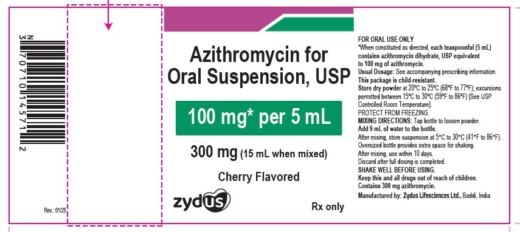 Azithromycin🏭 Zydus Lifesciences Limited
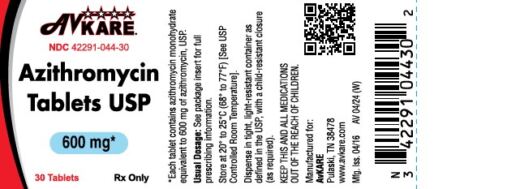 Azithromycin🏭 AvKARE
✅ What it is used for
- Acute bacterial exacerbations of chronic bronchitis in adults
- Acute bacterial sinusitis (adults and children 6 months and older)
- Uncomplicated skin and skin structure infections in adults
- Urethritis and cervicitis in adults
- Genital ulcer disease in men
- Acute otitis media in children 6 months and older
- Community-acquired pneumonia (adults and children 6 months and older)
- Pharyngitis/tonsillitis (adults and children 2 years and older)
🧪 Active ingredient
The active ingredient is azithromycin, a macrolide antibacterial derived from erythromycin that is active against specific susceptible bacteria.
🌿 Benefits
- Treats susceptible bacterial infections of the respiratory tract, skin, genital tract, and ear
- Can be taken with or without food
- Short courses in some conditions (single dose or 3 to 5 days) as directed by the doctor
📝 How to use
- The dose and duration are set by your doctor or pharmacist based on the infection, age, and weight; do not change them yourself.
- Tablets can be taken with or without food.
- Finish the full course prescribed by your doctor even if you feel better.
💊 Dosage forms
- 250 mg tablets (pink, oval, film-coated)
- Oral suspension (referenced in the label for pediatric use)
⚠️ Common side effects
- Diarrhea or loose stools
- Nausea
- Abdominal pain
- Vomiting
- Indigestion and gas
- Dizziness and headache
- Fatigue
🚨 Serious — seek medical help
- Serious allergic reactions such as angioedema (swelling of the face or throat) and anaphylaxis
- Severe skin reactions such as Stevens-Johnson syndrome and toxic epidermal necrolysis
- Hepatitis and hepatotoxicity (sometimes fatal) and jaundice
- QT prolongation and abnormal heart rhythm (torsades de pointes)
- Severe Clostridioides difficile-associated diarrhea
- Worsening of muscle weakness in people with myasthenia gravis
⛔ Do not use if
- Known hypersensitivity to azithromycin, erythromycin, or any macrolide or ketolide drug
- History of cholestatic jaundice or hepatic dysfunction associated with prior azithromycin use
❗ Warnings & precautions
- Stop the drug and seek medical help if rash, swelling, or difficulty breathing occurs.
- Stop immediately and contact your doctor if signs of hepatitis appear (yellowing of skin or eyes, dark urine, abdominal pain).
- Use with caution in people with heart conditions, known QT prolongation, or arrhythmia risk, and those taking other QT-prolonging drugs.
- Some observational studies showed a possible roughly two-fold increase in short-term risk of cardiovascular death; the doctor weighs this against the benefit.
- Severe diarrhea can occur, even weeks after treatment; consult your doctor if it develops.
- May worsen muscle weakness in people with myasthenia gravis.
- Infantile hypertrophic pyloric stenosis has been reported in neonates (up to 42 days of life); contact a doctor if vomiting or irritability with feeding occurs.
- Not for use in pneumonia patients judged inappropriate for oral therapy because of moderate to severe illness or risk factors.
🔄 Drug interactions
- Nelfinavir: increases azithromycin levels; monitor for adverse reactions such as liver enzyme abnormalities and hearing impairment.
- Warfarin and oral anticoagulants: effects may be increased; monitor prothrombin time.
- Digoxin, colchicine, phenytoin: no interactions reported in trials, but seen with other macrolides, so careful monitoring is advised.
- Other QT-prolonging drugs: may increase the risk of arrhythmia.
🤰 Pregnancy
Available data from published literature and postmarketing experience have not identified a drug-associated risk of major birth defects, miscarriage, or adverse maternal or fetal outcomes. Consult your doctor before use during pregnancy.
🍼 Breastfeeding
Azithromycin is present in human milk, and non-serious adverse reactions have been reported in breastfed infants. Monitor the infant for diarrhea, vomiting, or rash, and discuss with your doctor, weighing the benefits of breastfeeding against your need for the drug.
🧒 Children
Safety and effectiveness have not been established for acute otitis media, acute bacterial sinusitis, and community-acquired pneumonia under 6 months of age, or for pharyngitis/tonsillitis under 2 years of age. Pediatric doses are weight-based and set by the doctor.
👴 Older adults
No overall differences in safety or effectiveness were observed between elderly and younger patients, but elderly patients may be more susceptible to torsades de pointes arrhythmias, and greater sensitivity in some older individuals cannot be ruled out.
🌡️ Storage
Store at 25°C (77°F); excursions permitted between 15° and 30°C (59° to 86°F). Keep out of reach of children.
⏰ Missed dose
The label provided does not give specific instructions for a missed dose; ask your doctor or pharmacist and do not double the dose on your own.
🆘 Overdose
Adverse reactions at higher than recommended doses are similar to those at normal doses, particularly nausea, diarrhea, and vomiting. Seek emergency care if overdose is suspected; general symptomatic and supportive measures are used as required.
💰 Price & brands in your area
Locally made brands: AZIMEX 500MG CAPS (6 capsules) (Jerusalem Pharmaceuticals (maker inferred from a student flashcard list, not stated on the MoH page))، AZICARE (Birzeit Pharmaceutical (inferred from a student flashcard list, not confirmed on a manufacturer or MoH page))
📍 Find the nearest pharmacy
Your location is used only in your browser to show nearby pharmacies — we don't store it.
Open in Google Maps👨⚕️ For healthcare professionals
Mechanism of action
Azithromycin is a macrolide antibacterial. In animal infection models, antibacterial activity appears to correlate with the AUC/MIC ratio for certain pathogens (S. pneumoniae and S. aureus). Dose- and concentration-dependent QTc prolongation was observed when co-administered with chloroquine.
Labeled dosing
General adult dosing per label: community-acquired pneumonia (mild), pharyngitis/tonsillitis (second-line), uncomplicated skin/skin structure infections: 500 mg on Day 1, then 250 mg once daily on Days 2 to 5. Acute bacterial exacerbations of chronic bronchitis: 500 mg once daily for 3 days, or 500 mg on Day 1 then 250 mg daily on Days 2 to 5. Acute bacterial sinusitis: 500 mg once daily for 3 days. Genital ulcer disease (chancroid) and non-gonococcal urethritis/cervicitis: single 1 g dose. Gonococcal urethritis/cervicitis: single 2 g dose. Tablets may be taken with or without food. The final dose is determined by the doctor or pharmacist.
- Not for use in pneumonia patients inappropriate for oral therapy due to moderate to severe illness or risk factors.
- Use only for infections proven or strongly suspected to be caused by susceptible bacteria.
- Monitor prothrombin time when used with warfarin.
- Use caution in patients with QT prolongation or proarrhythmic conditions.
- Report suspected adverse reactions to FDA (MedWatch).
🎓 Key points for students
- Azithromycin is a macrolide derived from erythromycin, differing by a methyl-substituted nitrogen in the lactone ring.
- Contraindications: hypersensitivity to macrolides/ketolides and prior cholestatic jaundice/hepatic dysfunction with azithromycin.
- Key warnings: serious hypersensitivity, hepatotoxicity, IHPS in neonates, QT prolongation, cardiovascular death, C. difficile-associated diarrhea, myasthenia gravis exacerbation.
- Important interactions: nelfinavir (monitor liver enzymes and hearing) and warfarin (monitor prothrombin time).
- Most common adverse reactions are gastrointestinal: diarrhea, nausea, abdominal pain, vomiting.
EME runs your whole clinic: appointments with WhatsApp reminders, patient files, finance & inventory, a patient portal and a members-price medical store — with your data isolated and protected.
Try EME free How we protect your data❓ FAQ
What is azithromycin used for?
It treats mild to moderate bacterial infections such as bronchitis, sinusitis, pneumonia, pharyngitis, skin infections, middle ear infections, and some genital infections, as determined by your doctor.
Can I take it with food?
Yes, azithromycin tablets can be taken with or without food.
Does it treat flu or colds?
No. It is an antibacterial that works only on susceptible bacteria and should be used only for proven or strongly suspected bacterial infections.
What are the most common side effects?
Diarrhea, nausea, abdominal pain, and vomiting, which are usually mild to moderate.
When should I contact a doctor right away?
If you develop rash, facial or throat swelling, trouble breathing, yellowing of skin or eyes, severe palpitations, or severe or persistent diarrhea.
Can it be used in pregnancy or breastfeeding?
Available data have not identified clear risks in pregnancy, and the drug passes into breast milk; consult your doctor before use.
⚕️ For education only — not a substitute for advice from your doctor or pharmacist. Do not start or stop any medicine without advice. Source: official FDA drug label via openFDA (2025-04), simplified. Updated: 2026-11-10.