
💊 Aripiprazole (Aripiprazole)
Aripiprazole is an atypical antipsychotic used to treat schizophrenia, acute manic and mixed episodes of bipolar I disorder, as add-on treatment for major depressive disorder, and for irritability associated with autistic disorder and Tourette's disorder. It is taken by mouth as an oral solution (1 mg/mL), and your doctor sets the right dose for you.
In Arabic: أريبيبرازول
🏷️ Brand names & manufacturers
Packages shown are US-market (DailyMed). Brands available in Palestine are in the price section below. Opipza🏭 Carwin Pharmaceutical Associates, LLC
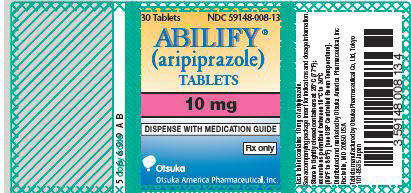 Abilify🏭 Otsuka America Pharmaceutical, Inc.
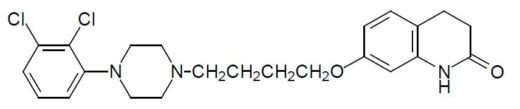 Aripiprazole🏭 VistaPharm, LLC
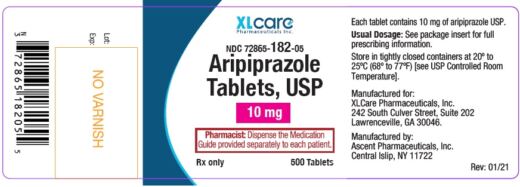 Aripiprazole🏭 XLCare Pharmaceuticals, Inc.
✅ What it is used for
- Schizophrenia
- Acute treatment of manic and mixed episodes associated with bipolar I disorder
- Adjunctive treatment of major depressive disorder
- Irritability associated with autistic disorder
- Tourette's disorder
🧪 Active ingredient
The active ingredient is aripiprazole, an atypical antipsychotic. Its mechanism in schizophrenia and bipolar mania is unclear, but its efficacy may be mediated through partial agonist activity at D2 and 5-HT1A receptors and antagonist activity at 5-HT2A receptors.
🌿 Benefits
- Helps control symptoms of schizophrenia
- Treats manic and mixed episodes in bipolar I disorder
- Used as add-on therapy with antidepressants in major depressive disorder
- Helps with irritability in autistic disorder and treats Tourette's disorder
📝 How to use
- Take once daily, with or without food.
- The dose is set by your doctor or pharmacist based on your condition and age; do not change it on your own.
- Use the calibrated dosing cup supplied with the bottle to measure the dose accurately.
- Do not stop the medicine without consulting your doctor; the need for maintenance treatment is reassessed periodically.
💊 Dosage forms
- Oral solution 1 mg/mL: clear, colorless to light yellow, with an orange aroma, supplied in a 150 mL child-resistant bottle with a calibrated dosing cup
⚠️ Common side effects
- Nausea
- Vomiting
- Constipation
- Headache
- Dizziness
- Akathisia (restlessness)
- Anxiety
- Insomnia
- Restlessness
- In children and adolescents: somnolence, fatigue, increased appetite, weight increase, extrapyramidal disorder, nasopharyngitis
🚨 Serious — seek medical help
- Increased risk of death in elderly patients with dementia-related psychosis
- Cerebrovascular adverse reactions including stroke and transient ischemic attack
- Suicidal thoughts and behaviors (especially in children, adolescents, and young adults)
- Neuroleptic malignant syndrome
- Tardive dyskinesia
- Metabolic changes: hyperglycemia/diabetes mellitus, dyslipidemia, weight gain
- Pathological gambling and other compulsive behaviors
- Orthostatic hypotension and falls
- Leukopenia, neutropenia, and agranulocytosis
- Seizures/convulsions
- Dysphagia
- Hypersensitivity reactions ranging from pruritus/urticaria to anaphylaxis
⛔ Do not use if
- History of a hypersensitivity reaction to aripiprazole
❗ Warnings & precautions
- Boxed warning: elderly patients with dementia-related psychosis treated with antipsychotics are at increased risk of death; aripiprazole is not approved for this condition.
- Boxed warning: antidepressants increased the risk of suicidal thoughts and behavior in children, adolescents, and young adults; monitor closely for worsening and emergence of suicidal thoughts, and families and caregivers should watch closely and communicate with the prescriber.
- Monitor glucose, lipids, and weight regularly.
- Use caution when operating machinery due to potential cognitive and motor impairment.
- Use cautiously in patients with a history of seizures or conditions that lower the seizure threshold.
- Patients with cardiovascular or cerebrovascular disease or at risk of dehydration or syncope should be monitored for orthostatic hypotension.
- Frequent complete blood count monitoring in the first months for patients with a history of low white blood cell count or drug-induced leukopenia/neutropenia.
- Discontinue immediately if neuroleptic malignant syndrome is suspected; consider dose reduction or discontinuation for pathological gambling or other compulsive behaviors.
🔄 Drug interactions
- Strong CYP3A4 or CYP2D6 inhibitors (e.g., itraconazole, clarithromycin, quinidine, fluoxetine, paroxetine): increase aripiprazole exposure; the dose should be reduced.
- Strong CYP3A4 inducers (e.g., carbamazepine, rifampin): decrease exposure; the dose may need to be increased.
- Antihypertensive drugs: effect may be enhanced; monitor blood pressure.
- Benzodiazepines (e.g., lorazepam): greater sedation and orthostatic hypotension; monitor sedation and blood pressure.
- Tell your doctor or pharmacist about all medicines you take.
🤰 Pregnancy
Neonates exposed during the third trimester are at risk for extrapyramidal and/or withdrawal symptoms after delivery. Available epidemiologic data have not established a drug-associated risk of major birth defects, miscarriage, or adverse maternal or fetal outcomes. Animal studies at high doses showed fetal death and malformations. A pregnancy exposure registry exists (1-866-961-2388). Discuss benefits and risks with your doctor.
🍼 Breastfeeding
Monitor the breastfed infant for dehydration and lack of appropriate weight gain. Aripiprazole exposure during pregnancy can have variable effects on milk supply in the post-partum period. Consult your doctor.
🧒 Children
Safety and effectiveness were established in schizophrenia (ages 13–17), bipolar mania (ages 10–17), irritability associated with autistic disorder (ages 6–17), and Tourette's disorder. Safety and effectiveness have not been established in pediatric major depressive disorder or agitation associated with schizophrenia or bipolar mania. The doctor determines dose by age and weight.
👴 Older adults
No dosage adjustment is recommended for elderly patients, but the drug is not approved for dementia-related psychosis (including Alzheimer's disease) because of increased mortality risk.
🌡️ Storage
Store at 20°C to 25°C (68°F to 77°F). Opened bottles can be used for up to 6 months after opening, but not beyond the expiration date. Discard the bottle and contents after the expiration date. Keep out of reach of children.
⏰ Missed dose
The label text provided does not address missed doses. Ask your doctor or pharmacist, and do not double the dose on your own.
🆘 Overdose
In case of overdose, seek emergency medical help immediately. Reported effects include vomiting, somnolence, and tremor; others include tachycardia, bradycardia, hypotension, convulsion, and loss of consciousness. There is no specific treatment; management is supportive with an ECG and close monitoring, and early activated charcoal may partly prevent absorption.
💰 Price & brands in your area
Local prices are currently available for Palestine; more countries are coming. Ask your pharmacist for local price and alternatives.
📍 Find the nearest pharmacy
Your location is used only in your browser to show nearby pharmacies — we don't store it.
Open in Google Maps👨⚕️ For healthcare professionals
Mechanism of action
Efficacy may be mediated by partial agonism at D2 and 5-HT1A and antagonism at 5-HT2A. High affinity for D2, D3, 5-HT1A, 5-HT2A; moderate affinity for D4, 5-HT2C, 5-HT7, alpha1-adrenergic, histamine H1, and the serotonin reuptake site; no appreciable affinity for muscarinic receptors. Mean half-life about 75 h (parent) and 94 h (dehydro-aripiprazole, ~40% of parent exposure); steady state within 14 days. Metabolized by CYP2D6 and CYP3A4; half-life about 146 h in CYP2D6 poor metabolizers.
Labeled dosing
General adult dosing per label (individualized by the prescriber): Schizophrenia: start and target 10–15 mg/day, maximum 30 mg/day; do not increase before 2 weeks. Bipolar mania: start 15 mg/day as monotherapy, or 10–15 mg/day as adjunct to lithium or valproate; maximum 30 mg/day. Adjunctive MDD: start 2–5 mg/day, recommended 5–10 mg/day, maximum 15 mg/day. Administer once daily without regard to meals. Known CYP2D6 poor metabolizers: half of the usual dose.
- Dose adjustments: half dose with strong CYP2D6 or CYP3A4 inhibitors; a quarter with both inhibitors, or in poor metabolizers taking a strong CYP3A4 inhibitor; double the usual dose over 1–2 weeks with strong CYP3A4 inducers.
- Switching from other antipsychotics: no systematic data; immediate discontinuation may suit some patients and gradual discontinuation others, minimizing overlap.
- Monitor glucose, lipids, weight, blood pressure, and CBC where risk factors exist.
- Pediatric dosing varies by indication and weight.
🎓 Key points for students
- Aripiprazole: atypical antipsychotic; partial agonist at D2 and 5-HT1A, antagonist at 5-HT2A.
- Active metabolite dehydro-aripiprazole ≈40% of parent exposure, half-life 94 h.
- Metabolized by CYP2D6 and CYP3A4; dose adjustment needed with strong inhibitors and inducers.
- Two boxed warnings: increased mortality in elderly dementia-related psychosis; suicidality with antidepressants.
- Common adult adverse reactions: nausea, vomiting, constipation, headache, dizziness, akathisia, anxiety, insomnia, restlessness.
EME runs your whole clinic: appointments with WhatsApp reminders, patient files, finance & inventory, a patient portal and a members-price medical store — with your data isolated and protected.
Try EME free How we protect your data❓ FAQ
What is aripiprazole used for?
It treats schizophrenia, manic and mixed episodes of bipolar I disorder, is used as add-on treatment for major depressive disorder, and treats irritability associated with autistic disorder and Tourette's disorder.
Can I take it with food?
Yes. It is taken once daily with or without food, as directed by your doctor.
What are the common side effects?
In adults: nausea, vomiting, constipation, headache, dizziness, akathisia, anxiety, insomnia, and restlessness.
Can it be given to elderly patients with dementia?
No. It is not approved for dementia-related psychosis because it increases the risk of death in this group.
Can I drive while taking it?
It may affect thinking and movement, so use caution when driving or operating machinery until you know how it affects you.
⚕️ For education only — not a substitute for advice from your doctor or pharmacist. Do not start or stop any medicine without advice. Source: official FDA drug label via openFDA (2026-09), simplified. Updated: 2026-11-11.