
💊 Allopurinol (Allopurinol)
Allopurinol is a prescription oral medicine that reduces the production of uric acid in the body. It is used to manage gout and certain conditions associated with high uric acid levels. Your doctor or pharmacist determines the right dose for you.
In Arabic: ألوبورينول
🏷️ Brand names & manufacturers
Packages shown are US-market (DailyMed). Brands available in Palestine are in the price section below.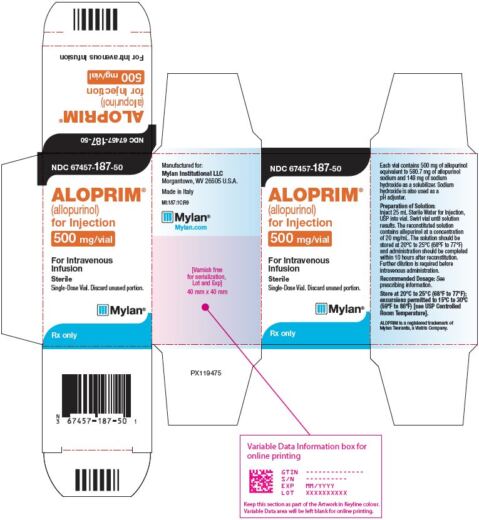 Aloprim🏭 Mylan Institutional LLC
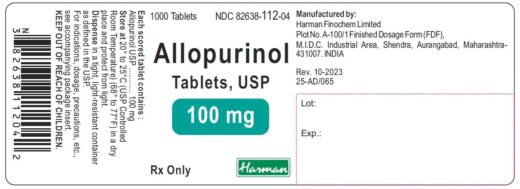 Allopurinol🏭 Harman Finochem Limited
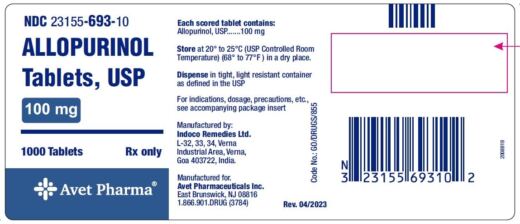 Allopurinol🏭 Redpharm Drug
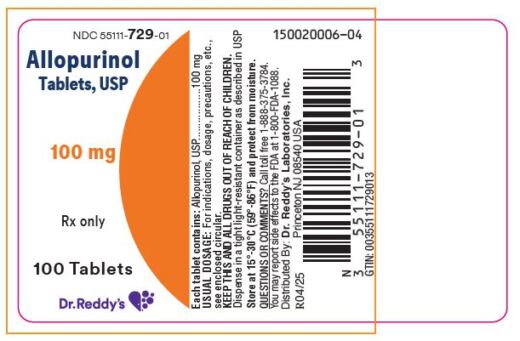 Allopurinol🏭 Dr. Reddy's Laboratories Limited
✅ What it is used for
- Management of adults with signs and symptoms of primary or secondary gout (acute attacks, tophi, joint destruction, uric acid lithiasis, and/or nephropathy)
- Management of adult and pediatric patients with leukemia, lymphoma and solid tumor malignancies receiving cancer therapy that raises serum and urinary uric acid
- Management of adults with recurrent calcium oxalate calculi whose daily uric acid excretion exceeds 800 mg/day (men) or 750 mg/day (women) despite lifestyle changes
- Not recommended for asymptomatic hyperuricemia
🧪 Active ingredient
The active ingredient is allopurinol, a structural analogue of the natural purine base hypoxanthine. It inhibits xanthine oxidase, the enzyme that produces uric acid, lowering uric acid levels in blood and urine.
🌿 Benefits
- Lowers serum uric acid levels
- Reduces gout symptoms and complications such as tophi and uric acid stones
- Helps control high uric acid associated with cancer therapy
- Helps prevent recurrence of calcium oxalate stones in specified patients
📝 How to use
- Taken by mouth as directed by your doctor or pharmacist; do not change the dose on your own
- The doctor sets the dose based on your condition and kidney function; treatment may start low and be increased gradually
- The dose may be taken as a single dose or divided doses as decided by your doctor
- Your doctor may recommend a preventive medicine (such as colchicine or an anti-inflammatory) to prevent gout flares when starting treatment
💊 Dosage forms
- 100 mg tablets (white to off-white, round, functionally scored)
- 300 mg tablets (peach, round, functionally scored)
⚠️ Common side effects
- Skin rash (the most frequent adverse reaction)
- Diarrhea
- Nausea
- Increased liver enzymes (AST/ALT) and increased alkaline phosphatase
- Acute gout attacks when starting treatment
🚨 Serious — seek medical help
- Serious and sometimes fatal skin reactions such as Stevens-Johnson syndrome, toxic epidermal necrolysis, and DRESS
- Serious hypersensitivity reactions (vasculitis, exfoliative, urticarial and purpuric lesions)
- Liver toxicity (hepatitis, jaundice, hepatic necrosis)
- Bone marrow suppression (thrombocytopenia, leukopenia, aplastic anemia, agranulocytosis)
- Renal failure and nephritis
- Gastrointestinal bleeding and hemorrhagic pancreatitis
⛔ Do not use if
- History of hypersensitivity reaction to allopurinol or any ingredient of the tablets
❗ Warnings & precautions
- Stop the medicine and contact your doctor immediately at the first sign of skin rash or other hypersensitivity signs
- Carriers of the HLA-B*58:01 allele have a higher risk of allopurinol hypersensitivity syndrome; the allele is more frequent in people of African, Asian (e.g., Han Chinese, Korean, Thai) and Native Hawaiian/Pacific Islander ancestry, but reactions have also occurred in non-carriers
- Gout flares may occur after starting treatment and concurrent preventive therapy is recommended; allopurinol need not be stopped if a flare occurs
- The drug may affect kidney function; patients with decreased kidney function require lower doses
- Reversible hepatotoxicity has been reported; evaluate liver function if symptoms develop
- Bone marrow suppression has been reported
- Drowsiness, somnolence and dizziness have been reported; use caution when driving or operating machinery
- Baseline uric acid, blood count, chemistry panel, liver and kidney function tests are recommended before starting
🔄 Drug interactions
- Bendamustine, thiazide diuretics, ampicillin and amoxicillin: may increase the risk of severe skin rash
- Capecitabine: avoid concomitant use
- Mercaptopurine or azathioprine: reduce their dose as recommended in their prescribing information
- Pegloticase: discontinue allopurinol and do not start it
- Chlorpropamide: half-life is prolonged; risk of hypoglycemia may increase in renal insufficiency
- Tell your doctor or pharmacist about all medicines you take
🤰 Pregnancy
Based on animal findings, allopurinol may cause fetal harm when given to a pregnant woman. Limited human data show no clear pattern of adverse outcomes, but 2 infants with major congenital malformations were reported among about 50 published pregnancies. Tell your doctor if you are pregnant or planning pregnancy.
🍼 Breastfeeding
Breastfeeding is not advised while taking this medicine.
🧒 Children
Safety and effectiveness have been established in pediatric patients with leukemia, lymphoma and solid tumors receiving cancer therapy that raises uric acid. They have not been established for gout, recurrent calcium oxalate calculi, or rare inborn errors of purine metabolism in children.
👴 Older adults
The label text provided contains no specific information for elderly patients. Patients with decreased kidney function require lower doses.
🌡️ Storage
Store at 20° to 25°C (68° to 77°F) in a dry place, protected from light, in a tight, light-resistant container, out of reach of children.
⏰ Missed dose
The label text provided gives no instructions for a missed dose. Ask your doctor or pharmacist and do not double the dose on your own.
🆘 Overdose
There is no specific antidote for overdose. Allopurinol and oxipurinol are dialyzable, but the usefulness of hemodialysis or peritoneal dialysis in overdose is unknown. Seek emergency medical help immediately.
💰 Price & brands in your area
🏛️ Official price in Palestine — Ministry of Health price list:
| Product | Company | Pack | Price |
|---|---|---|---|
| BILORIC 300 MG TAB Allopurinol | Sama Pharmaceutical. Co. | 30 Tab | 18 ₪ |
| ALLORIL TAB 300MG 30) Allopurinol | Alram Drug Store | 30TAB | 18 ₪ |
| Biloric 100 MG TAB 1000 TAB Allopurinol | Sama Pharmaceutical. Co. | 1000 TAB | 194 ₪ |
| URICNASE 100 MG .1000 TAB. ALLOPURINOL | BPC | 1000 | 234 ₪ |
📍 Find the nearest pharmacy
Your location is used only in your browser to show nearby pharmacies — we don't store it.
Open in Google Maps👨⚕️ For healthcare professionals
Mechanism of action
Allopurinol is a purine analogue of hypoxanthine that inhibits xanthine oxidase, the enzyme converting hypoxanthine to xanthine and xanthine to uric acid, without disrupting purine biosynthesis. It is metabolized to oxypurinol (alloxanthine), also a xanthine oxidase inhibitor, which is believed to mediate the pharmacological action.
Labeled dosing
Gout: before initiation assess serum uric acid, CBC, chemistry panel, liver and kidney function. Initial dose 100 mg orally daily with weekly 100 mg increments until serum uric acid ≤ 6 mg/dL (maximum 800 mg daily; minimal effective dose 100–200 mg daily; doses above 300 mg should be divided). Renal impairment: initial 50 mg daily with smaller increases. Hyperuricemia with cancer therapy: adults 300–800 mg daily; pediatric patients 100 mg/m² every 8–12 hours (10 mg/kg/day, maximum 800 mg/day). Recurrent calcium oxalate calculi: 200–300 mg daily with normal kidney function. The final dose is determined by the prescribing doctor/pharmacist.
- Flare prophylaxis with colchicine or an anti-inflammatory agent is recommended at initiation and continued until uric acid is normalized and the patient is flare-free for several months
- Allopurinol need not be discontinued if a gout flare occurs during treatment
- Discontinue permanently at the first appearance of skin rash or other hypersensitivity signs
- HLA-B*58:01 increases risk of allopurinol hypersensitivity syndrome, though reactions occur in non-carriers
- Monitor kidney function and reduce the dose with concomitant thiazide diuretics and renal impairment
- Serious dermatologic reactions occur in approximately 5 in 10,000 (0.05%) patients
🎓 Key points for students
- Class: xanthine oxidase inhibitor
- Active metabolite: oxypurinol (alloxanthine)
- Most frequent adverse reaction: skin rash
- Genetic marker for severe skin reactions: HLA-B*58:01
- Gout target: serum uric acid ≤ 6 mg/dL with gradual dose titration
- Flare prophylaxis is recommended at initiation
- Key interactions: capecitabine, mercaptopurine/azathioprine, pegloticase, ampicillin/amoxicillin, thiazides
- No specific antidote in overdose
EME runs your whole clinic: appointments with WhatsApp reminders, patient files, finance & inventory, a patient portal and a members-price medical store — with your data isolated and protected.
Try EME free How we protect your data❓ FAQ
What is allopurinol used for?
It is used for gout, high uric acid associated with cancer therapy, and recurrent calcium oxalate stones in specified patients. It is not recommended for asymptomatic high uric acid.
What should I do if I develop a skin rash while taking it?
Stop the medicine and contact your doctor right away, as a rash can signal a serious hypersensitivity reaction.
Can a gout flare happen after starting treatment?
Yes. Flares may occur when starting because uric acid levels change, so your doctor may prescribe a preventive medicine. The drug usually need not be stopped if a flare occurs.
Is it safe during pregnancy and breastfeeding?
It may cause fetal harm based on animal data, and breastfeeding is not advised while taking it. Talk to your doctor.
Does it affect driving?
It may cause drowsiness or dizziness, so avoid driving or operating machinery if you feel this way.
⚕️ For education only — not a substitute for advice from your doctor or pharmacist. Do not start or stop any medicine without advice. Source: official FDA drug label via openFDA (2024-08), simplified. Updated: 2026-11-11.