
💊 Tobramycin (Tobramycin)
Tobramycin inhalation solution is an aminoglycoside antibacterial indicated for the management of cystic fibrosis in adults and pediatric patients 6 years of age and older with Pseudomonas aeruginosa. It is for oral inhalation only using a nebulizer, given in alternating periods of 28 days on drug followed by 28 days off drug.
In Arabic: توبراميسين
🏷️ Brand names & manufacturers
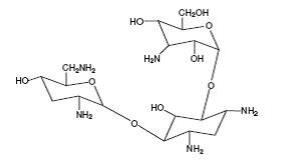 Bethkis🏭 Chiesi USA, Inc.DailyMed
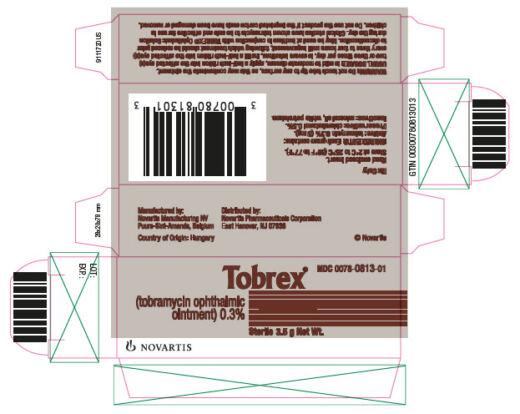 Tobrex🏭 Novartis Pharmaceuticals CorporationDailyMed
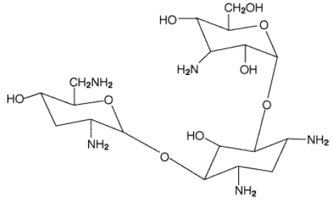 Tobi🏭 Viatris Specialty LLCDailyMed
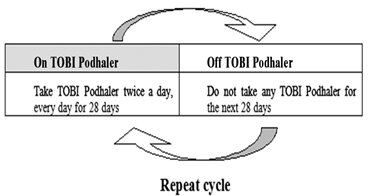 Tobi Podhaler🏭 Viatris Specialty LLCDailyMed
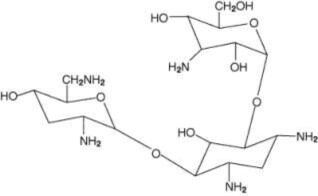 Kitabis Pak🏭 Pari Respiratory Equipment, Inc.DailyMed
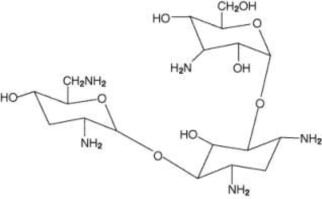 Tobramycin Inhalation Solution Pak🏭 Genericus, Inc.DailyMed
✅ What it is used for
- Management of cystic fibrosis in adults and pediatric patients 6 years of age and older with Pseudomonas aeruginosa
🧪 Active ingredient
The active ingredient is tobramycin, an aminoglycoside antibacterial that acts primarily by disrupting bacterial protein synthesis.
🌿 Benefits
- Helps manage cystic fibrosis in patients with Pseudomonas aeruginosa
📝 How to use
- For oral inhalation only
- Administer by inhalation using a hand-held PARI LC PLUS Reusable Nebulizer with a DeVilbiss Pulmo-Aide compressor
- Inhale over an approximately 15-minute period
- Inhale while sitting or standing upright and breathing normally through the mouthpiece of the nebulizer
- Do not dilute or mix with dornase alfa or other medications in the nebulizer
- Read the Patient Information/Instructions for Use for detailed information
- Do not use if cloudy, if there are particles in the solution, or if stored at room temperature for more than 28 days
💊 Dosage forms
- Inhalation Solution: 300 mg per 5 mL solution in a single-dose ampule
⚠️ Common side effects
- Increased cough
- Pharyngitis
- Increased sputum
- Dyspnea
- Hemoptysis
- Decreased lung function
- Voice alteration
- Taste perversion
- Rash
🚨 Serious — seek medical help
- Bronchospasm
- Ototoxicity (tinnitus and hearing loss)
- Nephrotoxicity
- Neuromuscular disorders
- Embryo-fetal toxicity
⛔ Do not use if
- Known hypersensitivity to any aminoglycoside
❗ Warnings & precautions
- Bronchospasm can occur with inhalation of tobramycin; treat as medically appropriate if it occurs
- Ototoxicity: tinnitus and hearing loss have been reported in patients receiving tobramycin; if noted, manage as medically appropriate, including potentially discontinuing tobramycin
- Nephrotoxicity: has been associated with aminoglycosides as a class; if nephrotoxicity develops, manage the patient as medically appropriate, including potentially discontinuing tobramycin
- Neuromuscular Disorders: aminoglycosides may aggravate muscle weakness because of a potential curare-like effect on neuromuscular function; if neuromuscular blockade occurs, it may be reversed by the administration of calcium salts but mechanical assistance may be necessary
- Embryo-fetal Toxicity: aminoglycosides can cause fetal harm
🔄 Drug interactions
- Concurrent and/or sequential use of tobramycin with other drugs with neurotoxic, nephrotoxic, or ototoxic potential should be avoided
- Concomitant administration with ethacrynic acid, furosemide, urea, or intravenous mannitol is not recommended due to possible enhancement of aminoglycoside toxicity
- The interaction between inhaled mannitol and tobramycin has not been evaluated
🤰 Pregnancy
Aminoglycosides can cause fetal harm. Although there are no available data on tobramycin use in pregnant women to inform a drug-associated risk of major birth defects, miscarriage or adverse maternal or fetal outcomes, systemic absorption of tobramycin following inhaled administration is expected to be minimal. There are risks to the mother associated with cystic fibrosis in pregnancy. Advise pregnant women of the potential risk to a fetus.
🍼 Breastfeeding
There are no data on the presence of tobramycin in human milk.
🧒 Children
The safety and efficacy of tobramycin in pediatric patients under 6 years of age has not been established. The use of tobramycin is not indicated in children < 6 years of age.
👴 Older adults
Clinical studies of tobramycin did not include patients aged 65 years and over. Tobramycin is known to be substantially excreted by the kidney, and the risk of adverse reactions to this drug may be greater in patients with impaired renal function. Because elderly patients are more likely to have decreased renal function, it may be useful to monitor renal function.
🌡️ Storage
Store under refrigeration at 2º to 8ºC or 36º to 46ºF. Upon removal from the refrigerator, or if refrigeration is unavailable, tobramycin inhalation solution pouches (opened or unopened) may be stored at room temperature (up to 25ºC/77ºF) for up to 28 days. Do not use beyond the expiration date stamped on the ampule when stored under refrigeration or beyond 28 days when stored at room temperature. Do not expose ampules to intense light.
⏰ Missed dose
If patients miss a dose, they should take it as soon as possible anytime up to 6 hours prior to their next scheduled dose. If less than 6 hours remain before the next dose, wait until their next scheduled dose.
🆘 Overdose
Signs and symptoms of acute toxicity from overdosage of intravenous tobramycin might include dizziness, tinnitus, vertigo, loss of high-tone hearing acuity, respiratory failure, neuromuscular blockade, and renal impairment. Administration by inhalation results in low systemic bioavailability of tobramycin. Tobramycin is not significantly absorbed following oral administration. Tobramycin serum concentrations may be helpful in monitoring overdosage. Acute toxicity should be treated with immediate withdrawal of tobramycin, and baseline tests of renal function should be undertaken. In all cases of suspected overdosage, physicians should contact the Regional Poison Control Center for information about effective treatment. In the case of any overdosage, the possibility of drug interactions with alterations in drug disposition should be considered. Hemodialysis may be helpful in removing tobramycin from the body.
💰 Price & brands in your area
🏛️ Official price in Palestine — Ministry of Health price list:
| Product | Company | Pack | Price |
|---|---|---|---|
| Ocutacin 3mg / ml E/DROPS 5ml TOBRAMYCIN | BPC | E/D | 15 ₪ |
📍 Find the nearest pharmacy
Your location is used only in your browser to show nearby pharmacies — we don't store it.
Open in Google Maps👨⚕️ For healthcare professionals
Mechanism of action
Tobramycin is an aminoglycoside antibacterial.
Labeled dosing
The recommended dosage for adults and pediatric patients 6 years of age and older is one single-dose ampule (300 mg) twice daily by oral inhalation in alternating periods of 28 days on drug, followed by 28 days off drug. Dosage is not adjusted by weight. Take doses as close to 12 hours apart as possible; but not less than 6 hours apart. Administer each 300 mg dose by inhalation using a hand-held PARI LC PLUS Reusable Nebulizer with a DeVilbiss Pulmo-Aide compressor.
- For oral inhalation only
- Dosage is not adjusted by weight
- After 28 days of therapy, stop therapy for the next 28 days, then resume therapy for the next 28 day on/28 day off cycle
- Administer by oral inhalation over an approximately 15-minute period
- Do not dilute or mix with dornase alfa or other medications in the nebulizer
- Not for subcutaneous, intravenous or intrathecal administration
- Inhale while sitting or standing upright
- Nose clips may help the patient breathe through the mouth
- Instruct patients on multiple therapies to take their medications prior to inhaling tobramycin inhalation solution or as directed by their physician
- Do not use if cloudy, if there are particles in the solution, or if stored at room temperature for more than 28 days
🎓 Key points for students
- Tobramycin is an aminoglycoside antibacterial
- Indicated for the management of cystic fibrosis in adults and pediatric patients 6 years of age and older with Pseudomonas aeruginosa
- For oral inhalation only
- Dosage is 300 mg twice daily in alternating periods of 28 days on drug followed by 28 days off drug
- Dosage is not adjusted by weight
- Administer using a hand-held PARI LC PLUS Reusable Nebulizer with a DeVilbiss Pulmo-Aide compressor
- Do not dilute or mix with dornase alfa or other medications in the nebulizer
- Store under refrigeration at 2º to 8ºC or 36º to 46ºF
- May be stored at room temperature (up to 25ºC/77ºF) for up to 28 days
- Contraindicated in patients with a known hypersensitivity to any aminoglycoside
EME runs your whole clinic: appointments with WhatsApp reminders, patient files, finance & inventory, a patient portal and a members-price medical store — with your data isolated and protected.
Try EME free How we protect your data❓ FAQ
What is tobramycin and what is it used for?
Tobramycin is an aminoglycoside antibacterial indicated for the management of cystic fibrosis in adults and pediatric patients 6 years of age and older with Pseudomonas aeruginosa.
How is tobramycin administered?
It is for oral inhalation only, administered using a hand-held PARI LC PLUS Reusable Nebulizer with a DeVilbiss Pulmo-Aide compressor over an approximately 15-minute period while sitting or standing upright.
What is the recommended dosage?
The recommended dosage for adults and pediatric patients 6 years of age and older is one single-dose ampule (300 mg) twice daily in alternating periods of 28 days on drug followed by 28 days off drug. The dose is set by the doctor or pharmacist.
What should I do if I miss a dose?
If you miss a dose, take it as soon as possible anytime up to 6 hours prior to your next scheduled dose. If less than 6 hours remain before the next dose, wait until your next scheduled dose.
What are the common side effects?
Common side effects (incidence > 5%) include increased cough, pharyngitis, increased sputum, dyspnea, hemoptysis, decreased lung function, voice alteration, taste perversion and rash.
How should tobramycin be stored?
Store under refrigeration at 2º to 8ºC or 36º to 46ºF. Upon removal from the refrigerator or if refrigeration is unavailable, it may be stored at room temperature (up to 25ºC/77ºF) for up to 28 days.
⚕️ For education only — not a substitute for advice from your doctor or pharmacist. Do not start or stop any medicine without advice. Source: official FDA drug label via openFDA (2023-05), simplified. Updated: 2026-11-16.