
💊 Timolol (Betimol)
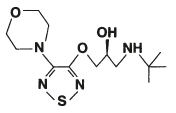
Timolol is an eye drop used to treat elevated intraocular pressure in patients with ocular hypertension or open-angle glaucoma. It works by reducing aqueous humor production. It is prescription-only, and the dose is set by the doctor or pharmacist.
In Arabic: تيمولول
🏷️ Brand names & manufacturers
 Betimol🏭 Thea Pharma Inc.DailyMed
✅ What it is used for
- Treatment of elevated intraocular pressure in patients with ocular hypertension
- Treatment of open-angle glaucoma
🧪 Active ingredient
Timolol (as timolol hemihydrate) — a non-selective beta-adrenergic antagonist that lowers elevated intraocular pressure; the predominant mechanism of ocular hypotensive action is likely a reduction in aqueous humor production.
🌿 Benefits
- Lowers elevated intraocular pressure
- Lowers intraocular pressure in open-angle glaucoma
📝 How to use
- Eye drop only
- The doctor or pharmacist sets the dose and frequency for your condition
- Do not start or change the dose on your own
💊 Dosage forms
- Ophthalmic solution 0.25%
- Ophthalmic solution 0.5%
⚠️ Common side effects
- Burning/stinging on instillation (approximately one in eight patients)
- Dry eyes
- Itching
- Foreign body sensation
- Discomfort in the eye
- Eyelid erythema
- Conjunctival injection
- Headache
🚨 Serious — seek medical help
- Eye pain
- Epiphora
- Photophobia
- Blurred or abnormal vision
- Corneal fluorescein staining
- Keratitis
- Blepharitis
- Cataract
- Allergic reaction
- Asthenia
- Common cold
- Pain in extremities
- Hypertension
- Nausea
- Peripheral edema
- Dizziness
- Dry mouth
- Respiratory infection
- Sinusitis
- Conjunctivitis
- Blepharoptosis
- Decreased corneal sensitivity
- Visual disturbances including refractive changes
- Diplopia
- Retinal vascular disorder
- Chest pain
- Arrhythmia
- Palpitation
- Bradycardia
- Hypotension
- Syncope
- Heart block
- Cerebral vascular accident
- Cerebral ischemia
- Cardiac failure
- Cardiac arrest
- Diarrhea
- Masked symptoms of hypoglycemia in insulin dependent diabetics
- Depression
- Impotence
- Increase in signs and symptoms of myasthenia gravis
- Paresthesia
- Dyspnea
- Bronchospasm
- Respiratory failure
- Nasal congestion
- Alopecia
- Hypersensitivity including localized and generalized rash
- Urticaria
⛔ Do not use if
- Overt heart failure
- Cardiogenic shock
- Sinus bradycardia
- Second- or third-degree atrioventricular block
- Bronchial asthma or history of bronchial asthma
- Severe chronic obstructive pulmonary disease
- Hypersensitivity to any component of this product
❗ Warnings & precautions
- Betimol is absorbed systemically after topical ophthalmic application, and the same adverse reactions found with systemic administration of beta-adrenergic blocking agents may occur
- Severe respiratory and cardiac reactions, including death due to bronchospasm in patients with asthma, and rarely, death in association with cardiac failure, have been reported following systemic or topical administration of beta-adrenergic blocking agents
- Beta-adrenergic receptor blockade may precipitate more severe cardiac failure; Betimol should be discontinued at the first sign or symptom of cardiac failure
- Patients with mild or moderate chronic obstructive pulmonary disease, bronchospastic disease, or a history of bronchospastic disease (other than bronchial asthma or a history of bronchial asthma) should in general not receive beta-blocking agents
- Gradual withdrawal of beta-adrenergic receptor blocking agents is recommended in patients undergoing elective surgery
- Masked symptoms of hypoglycemia may occur in insulin dependent diabetics
🔄 Drug interactions
- Beta-adrenergic blocking agents: observe for a potential additive effect on intraocular pressure or on the known systemic effects of beta-blockade; patients should not usually receive two topical ophthalmic beta-adrenergic blocking agents concurrently
- Catecholamine-depleting drugs such as reserpine: close observation is recommended because of possible additive effects and the production of hypotension and/or marked bradycardia
- Oral or intravenous calcium antagonists: caution because of possible atrioventricular conduction disturbances, left ventricular failure, and hypotension; co-administration should be avoided in patients with impaired cardiac function
- Digitalis and calcium antagonists: concomitant use may have additive effects in prolonging atrioventricular conduction time
- Injectable epinephrine
🤰 Pregnancy
Category C — there are no adequate and well-controlled studies in pregnant women; Betimol should be used during pregnancy only if the potential benefit justifies the potential risk to the fetus.
🍼 Breastfeeding
Because of the potential for serious adverse reactions in nursing infants from timolol, a decision should be made whether to discontinue nursing or to discontinue the drug, taking into account the importance of the drug to the mother.
🧒 Children
Safety and efficacy in pediatric patients have not been established.
🌡️ Storage
Store between 15° to 25°C (59° to 77°F). Do not freeze. Protect from light.
🆘 Overdose
No information is available on overdosage with Betimol. Symptoms that might be expected with an overdose of a beta-adrenergic receptor blocking agent are bronchospasm, hypotension, bradycardia, and acute cardiac failure.
💰 Price & brands in your area
🏛️ Official price in Palestine — Ministry of Health price list:
| Product | Company | Pack | Price |
|---|---|---|---|
| TIMOLIN 0.5% EYE DROPS TIMOLOL (AS MALEATE) 0.5% | Jepharm Co. | 5ml drops | 19 ₪ |
| LATARO-TIM EYE DROPS 2.5 ML Latanoprost 0.005 % & Timolol 0.5% | Alram Drug Store | 2.5 ml | 38 ₪ |
| XALACOM E/D 2.5ML TIMOLOL 5MG +LATANOPROST 50MCG | Alram Drug Store | EYE DROPS | 40 ₪ |
| Combigan - 5ml Brimonidine tartrate 2 mg/mlTimolol 5 mg/ml (as timololmaleate 6.8 mg/ml) | ArabCO | 5 ml ophthalmic solution | 60 ₪ |
| DORZO PLUS PF PRESERVATIVE FREE EYE DROP DORZOLAMIDE 20 MG,TIMOLOL 5 MG | Alison pharmaceutical company | 10 ML | 70 ₪ |
📍 Find the nearest pharmacy
Your location is used only in your browser to show nearby pharmacies — we don't store it.
Open in Google Maps👨⚕️ For healthcare professionals
Mechanism of action
Timolol is a non-selective beta-adrenergic antagonist that blocks both beta 1- and beta 2-adrenergic receptors; it does not have significant intrinsic sympathomimetic activity, local anesthetic (membrane-stabilizing) or direct myocardial depressant activity. Applied topically in the eye, it reduces normal and elevated intraocular pressure; the predominant mechanism of ocular hypotensive action is likely due to a reduction in aqueous humor production.
Labeled dosing
Betimol Ophthalmic Solution is available in concentrations of 0.25% and 0.5%. The usual starting dose is one drop of 0.25% Betimol in the affected eye(s) twice a day. If the clinical response is not adequate, the dosage may be changed to one drop of 0.5% solution in the affected eye(s) twice a day. If the intraocular pressure is maintained at satisfactory levels, the dosage schedule may be changed to one drop once a day in the affected eye(s). Because of diurnal variations in intraocular pressure, satisfactory response to the once-a-day dose is best determined by measuring the intraocular pressure at different times during the day. Since in some patients the pressure-lowering response may require a few weeks to stabilize, evaluation should include a determination of intraocular pressure after approximately 4 weeks of treatment. Dosages above one drop of 0.5% twice a day generally have not been shown to produce further reduction in intraocular pressure. If the patient's intraocular pressure is still not at a satisfactory level on this regimen, concomitant therapy with pilocarpine and other miotics, and/or epinephrine, and/or systemically administered carbonic anhydrase inhibitors, such as acetazolamide, can be instituted.
- Betimol is absorbed systemically after topical ophthalmic application
- The same adverse reactions found with systemic administration of beta-adrenergic blocking agents may occur
- Severe respiratory and cardiac reactions, including death due to bronchospasm in patients with asthma, and rarely, death in association with cardiac failure, have been reported
- Betimol should be discontinued at the first sign or symptom of cardiac failure
- Gradual withdrawal is recommended in patients undergoing elective surgery
- Patients should not usually receive two topical ophthalmic beta-adrenergic blocking agents concurrently
- Safety and efficacy in pediatric patients have not been established
🎓 Key points for students
- Timolol is a non-selective beta-adrenergic antagonist that blocks both beta 1- and beta 2-adrenergic receptors
- It does not have significant intrinsic sympathomimetic activity, local anesthetic (membrane-stabilizing) or direct myocardial depressant activity
- It lowers intraocular pressure likely through a reduction in aqueous humor production
- When given orally, timolol is well absorbed and undergoes considerable first pass metabolism; timolol and its metabolites are primarily excreted in the urine, and the half-life in plasma is approximately 4 hours
- In two controlled multicenter studies in the U.S., the efficacy and safety profile of Betimol was similar to that of timolol maleate
EME runs your whole clinic: appointments with WhatsApp reminders, patient files, finance & inventory, a patient portal and a members-price medical store — with your data isolated and protected.
Try EME free How we protect your data❓ FAQ
What is timolol?
It is an ophthalmic solution of a non-selective beta-adrenergic antagonist used to treat elevated intraocular pressure in patients with ocular hypertension or open-angle glaucoma.
How does timolol work?
The predominant mechanism of ocular hypotensive action is likely a reduction in aqueous humor production.
Can I set the dose myself?
No. The dose is set by the doctor or pharmacist for your condition; do not start or change the dose on your own.
What is the most common side effect?
Burning/stinging on instillation, reported in approximately one in eight patients in clinical trials.
Who should not use this drug?
Patients with overt heart failure, cardiogenic shock, sinus bradycardia, second- or third-degree atrioventricular block, bronchial asthma or history of bronchial asthma, severe chronic obstructive pulmonary disease, or hypersensitivity to any component of this product.
Can it be used during pregnancy or breastfeeding?
It is Pregnancy Category C, and there are no adequate and well-controlled studies in pregnant women; it should be used during pregnancy only if the potential benefit justifies the potential risk to the fetus. During breastfeeding, a decision should be made whether to discontinue nursing or to discontinue the drug.
⚕️ For education only — not a substitute for advice from your doctor or pharmacist. Do not start or stop any medicine without advice. Source: official FDA drug label via openFDA (2025-06), simplified. Updated: 2026-11-16.