
💊 Theophylline (Theophylline)
Theophylline is an oral medicine used for long-term control of symptoms and reversible airflow obstruction in chronic asthma and other chronic lung diseases. It is not for treating acute attacks. Your doctor sets the dose, guided by blood levels, because response varies widely between patients.
In Arabic: ثيوفيلين
🏷️ Brand names & manufacturers
Packages shown are US-market (DailyMed). Brands available in Palestine are in the price section below.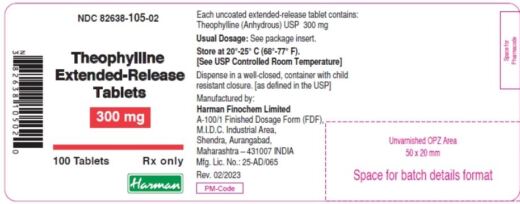 Theophylline🏭 Harman Finochem Limited
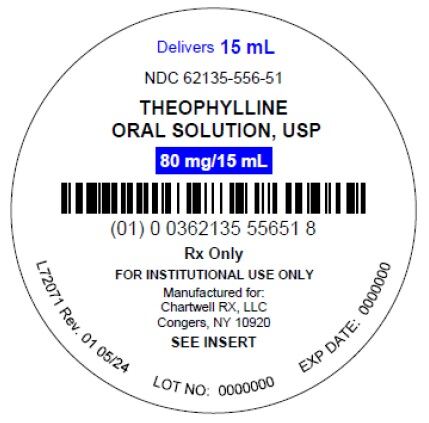 Theophylline🏭 Chartwell RX, LLC
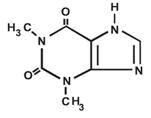 Theophylline🏭 Teva Pharmaceuticals, Inc.
✅ What it is used for
- Treatment of symptoms and reversible airflow obstruction associated with chronic asthma
- Treatment of other chronic lung diseases such as emphysema and chronic bronchitis
- Chronic or long-term management and prevention of symptoms, not acute asthma symptoms or bronchospasm
🧪 Active ingredient
Theophylline (a methylxanthine): relaxes smooth muscle in the airways to widen them, reduces airway response to stimuli, and increases the force of diaphragm muscle contraction.
🌿 Benefits
- Relief of asthma and chronic lung disease symptoms
- Bronchodilation
- Prevention of symptoms with regular long-term use
📝 How to use
- The dose is set by your doctor or pharmacist based on your condition and blood level; do not change it yourself
- Extended-release tablets can normally be taken with or without meals
- Treatment usually starts at a low dose and is increased slowly if needed, at intervals of no less than 3 days
- If side effects occur, stop the dose and tell your doctor; restart only as instructed, at a lower dose
- Your doctor may periodically measure your serum theophylline level
💊 Dosage forms
- Extended-release tablets 300 mg
- Extended-release tablets 450 mg
⚠️ Common side effects
- Nausea
- Vomiting
- Headache
- Insomnia
- Diarrhea
- Irritability and restlessness
- Fine skeletal muscle tremors
- Transient increase in urine output
🚨 Serious — seek medical help
- Persistent vomiting
- Cardiac arrhythmias
- Seizures that can be lethal (when serum levels exceed 20 mcg/mL)
- Multifocal atrial tachycardia and flutter in patients with hypoxia secondary to COPD
⛔ Do not use if
- History of hypersensitivity to theophylline or other components of the product
❗ Warnings & precautions
- Use with extreme caution in active peptic ulcer disease, seizure disorders, or cardiac arrhythmias
- Higher toxicity risk in neonates, children under 1 year, the elderly (>60 years), and in acute pulmonary edema, congestive heart failure, cor pulmonale, prolonged high fever, and sepsis with multi-organ failure
- Stopping smoking can reduce theophylline clearance and raise blood levels
- With nausea, repeated vomiting, or other signs of toxicity, withhold doses and measure serum level immediately
- Not for treating acute asthma symptoms
- Do not increase the dose for worsening symptoms without first measuring serum level
🔄 Drug interactions
- Theophylline interacts with a wide variety of drugs
- Inhibitors that raise levels include cimetidine, erythromycin, and tacrine
- Enhancers that lower levels include carbamazepine and rifampin
- Stopping a drug that increases clearance may lead to toxic accumulation unless the dose is reduced
- Tell your doctor or pharmacist about all medicines before starting or stopping any
🤰 Pregnancy
There are no adequate, well-controlled studies in pregnant women. Animal studies showed teratogenic effects. Use during pregnancy only if the potential benefit justifies the potential risk to the fetus, under medical supervision.
🍼 Breastfeeding
Theophylline passes into breast milk and may cause irritability or mild toxicity in nursing infants. Serious effects in the infant are unlikely unless the mother has toxic serum levels. Consult your doctor.
🧒 Children
Theophylline is safe and effective for approved indications in children, but clearance varies widely across ages, so maintenance doses must be chosen with caution under medical supervision. Transient caffeine-like effects may alter behavior in school-age children.
👴 Older adults
Elderly patients are at greater risk of serious toxicity because clearance falls by about 30%. Dose reduction and frequent level monitoring are needed. The maximum daily dose in patients over 60 ordinarily should not exceed 400 mg unless symptoms persist and peak steady-state level is below 10 mcg/mL.
🌡️ Storage
Store at 20–25°C (68–77°F) in a well-closed container with a child-resistant closure, out of reach of children.
⏰ Missed dose
The label does not give specific instructions for a missed dose. Ask your doctor or pharmacist and do not double the dose on your own.
🆘 Overdose
Overdose can be serious and cause persistent vomiting, arrhythmias, and potentially lethal seizures. If overdose is suspected, seek emergency medical care or contact a poison control center immediately.
💰 Price & brands in your area
Local prices are currently available for Palestine; more countries are coming. Ask your pharmacist for local price and alternatives.
📍 Find the nearest pharmacy
Your location is used only in your browser to show nearby pharmacies — we don't store it.
Open in Google Maps👨⚕️ For healthcare professionals
Mechanism of action
Relaxes bronchial smooth muscle and suppresses airway response to stimuli. Bronchodilation is likely mediated by inhibition of PDE III and, to a lesser extent, PDE IV; non-bronchodilator prophylactic effects likely do not involve PDE III inhibition or adenosine receptor antagonism. Increases diaphragmatic contraction via enhanced calcium uptake. Bronchodilation occurs at 5–20 mcg/mL; peak levels of 10–15 mcg/mL give most benefit with less risk.
Labeled dosing
Individualize the dose by peak serum theophylline concentrations. The dose needed to reach a 10–20 mcg/mL peak varies fourfold among similar patients (400–1600 mg/day in adults <60 years). Start low and increase in small increments at intervals of at least 3 days. Calculate mg/kg on lean body weight. Monitor levels every 6 months in rapidly growing children and yearly in others when stable; in acutely ill patients, about every 24 hours. Final dosing is determined by the physician or pharmacist.
- No single dose is both safe and effective for all patients
- Extended-release tablets allow 12-hour dosing for most patients and 24-hour dosing for selected patients
- A high-fat meal may modestly raise Cmax and delay Tmax, but it can normally be given without regard to meals
- Toxicity is principally seen at levels >30 mcg/mL; seizures may occur at lower levels in patients with neurological disease or the elderly
- Chronic overdosage is more likely to cause seizures than acute overdose unless peak level exceeds 100 mcg/mL
🎓 Key points for students
- Methylxanthine bronchodilator acting via PDE III (and to a lesser extent PDE IV) inhibition
- Narrow therapeutic window: 10–20 mcg/mL, with adverse effects rising above 20
- Clearance is highly variable and affected by age, smoking, comorbidities, and drugs
- Inhibitors: cimetidine, erythromycin, tacrine. Inducers: carbamazepine, rifampin
- Toxicity: vomiting, arrhythmias, seizures
EME runs your whole clinic: appointments with WhatsApp reminders, patient files, finance & inventory, a patient portal and a members-price medical store — with your data isolated and protected.
Try EME free How we protect your data❓ FAQ
Is theophylline used for acute asthma attacks?
No. It is recommended for chronic, long-term management and prevention of symptoms, not for acute symptoms of asthma or bronchospasm.
Should it be taken with food?
The extended-release tablets can normally be taken with or without meals. Follow your doctor's instructions.
What should I do if I have nausea or repeated vomiting?
This may signal toxicity. Stop the doses and contact your doctor right away so your blood level can be measured.
Why does my doctor order blood level tests?
The right dose varies widely between patients, and the serum level guides a safe and effective dose.
Does smoking or quitting smoking matter?
Yes. Stopping smoking can reduce theophylline clearance and raise blood levels, so tell your doctor.
Can it be used in pregnancy or breastfeeding?
In pregnancy, only if the benefit justifies the risk. It passes into breast milk and may irritate the infant. Consult your doctor.
⚕️ For education only — not a substitute for advice from your doctor or pharmacist. Do not start or stop any medicine without advice. Source: official FDA drug label via openFDA (2024-10), simplified. Updated: 2026-11-16.