
💊 Terbinafine (Terbinafine)
Terbinafine is a prescription oral antifungal tablet used to treat fungal infection of the toenails or fingernails caused by dermatophytes (tinea unguium). The diagnosis should be confirmed with a nail specimen before treatment. It is used under medical supervision with liver function checks before and during therapy.
In Arabic: تيربينافين
🏷️ Brand names & manufacturers
Packages shown are US-market (DailyMed). Brands available in Palestine are in the price section below.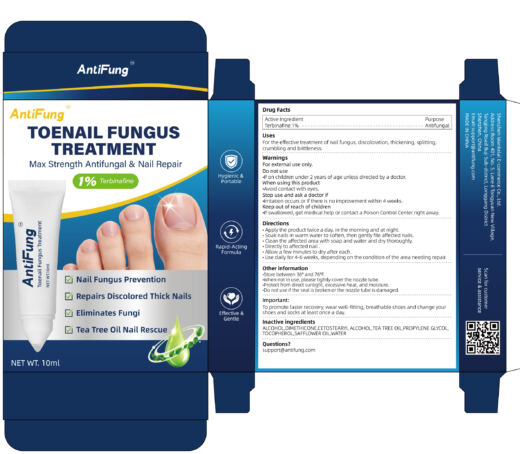 Toenail Fungus Treatment🏭 Shenzhen Wankelai E-commerce Co., Ltd.
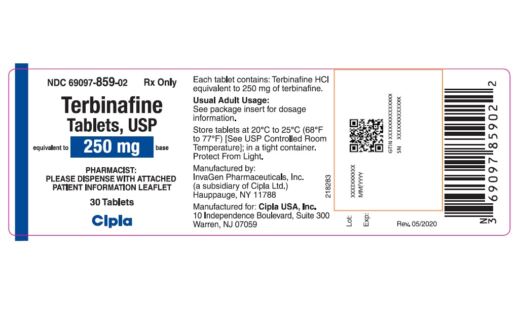 Terbinafine🏭 Cipla USA Inc.
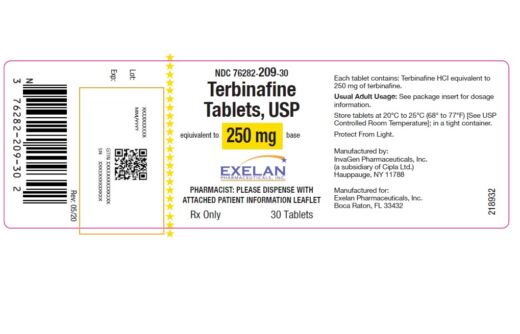 Terbinafine🏭 Exelan Pharmaceuticals Inc.
✅ What it is used for
- Treatment of onychomycosis of the toenail or fingernail due to dermatophytes (tinea unguium)
- Diagnosis should be confirmed before treatment with a nail specimen (KOH preparation, fungal culture, or nail biopsy)
🧪 Active ingredient
The active ingredient is terbinafine hydrochloride, an allylamine antifungal that inhibits the synthesis of ergosterol, an essential component of the fungal cell membrane, leading to fungal cell death.
🌿 Benefits
- Treats fungal nail infections caused by dermatophytes
- Taken as a once-daily tablet
📝 How to use
- The dose is set by your doctor or pharmacist and should not be changed without consulting them
- Your doctor will check for chronic or active liver disease before starting
- Tablets are taken once daily for the duration your doctor specifies
- The best clinical effect is seen some months after the fungus is cleared and treatment ends, due to the time needed for healthy nail to grow out
💊 Dosage forms
- 250 mg tablets (white, round, flat faced, beveled edge, debossed IG on one side and 209 on the other)
⚠️ Common side effects
- Headache
- Diarrhea
- Rash
- Dyspepsia (indigestion)
- Liver enzyme abnormalities
- Itching (pruritus)
- Taste disturbance
- Nausea
- Abdominal pain
- Flatulence
🚨 Serious — seek medical help
- Liver failure (sometimes leading to liver transplant or death)
- Taste loss or disturbance, which can be severe, prolonged, or permanent
- Smell disturbance or loss, which may be prolonged or permanent
- Depressive symptoms and anxiety
- Severe neutropenia and other blood disorders
- Severe skin reactions such as Stevens-Johnson syndrome, toxic epidermal necrolysis, exfoliative dermatitis, and DRESS syndrome
- Serious allergic reactions including angioedema and anaphylaxis
- Visual, hearing, vertigo, or tinnitus disturbances
- Pancreatitis
⛔ Do not use if
- History of allergic reaction to oral terbinafine because of the risk of anaphylaxis
- Chronic or active liver disease
❗ Warnings & precautions
- Hepatotoxicity may occur in patients with or without pre-existing liver disease; liver function tests are needed before and periodically during treatment, and the drug should be stopped if liver injury develops
- Discontinue if taste or smell disturbance occurs
- Watch for depressive symptoms and tell your doctor promptly
- Discontinue if neutrophil count is 1,000 cells/mm³ or less
- Discontinue if signs or symptoms of a severe skin drug reaction occur
- Report any unusual symptoms to your doctor right away
🔄 Drug interactions
- Terbinafine inhibits the CYP2D6 enzyme and affects drugs metabolized by it, including tricyclic antidepressants, SSRIs, beta-blockers, class 1C antiarrhythmics (e.g., flecainide, propafenone), and MAO-B inhibitors; careful monitoring and a dose reduction of the other drug may be needed
- Interactions have also been noted with cimetidine, fluconazole, cyclosporine, rifampin, and caffeine
- Terbinafine markedly increased desipramine exposure, and this effect persisted weeks after stopping terbinafine
- Tell your doctor or pharmacist about all medicines you take
🤰 Pregnancy
Available postmarketing data are insufficient to evaluate the risk of major birth defects, miscarriage, or adverse maternal or fetal outcomes. Animal studies in rabbits and rats showed no malformations or fetal harm. Consult your doctor before use if you are pregnant or planning pregnancy.
🍼 Breastfeeding
Terbinafine is present in human milk after oral administration; there are no data on effects on the breastfed child or on milk production. The benefits of breastfeeding should be weighed against the mother's clinical need for the drug and any potential effects on the infant, in consultation with your doctor.
🧒 Children
The safety and efficacy of terbinafine tablets have not been established in pediatric patients with onychomycosis.
👴 Older adults
Clinical studies did not include enough subjects aged 65 and over to determine whether they respond differently. In general, dose selection for elderly patients should be cautious, usually starting at the low end of the dosing range, reflecting the greater frequency of decreased liver, kidney, or heart function and of other diseases or medications.
🌡️ Storage
Store at 20° to 25°C (68° to 77°F) in a tight container and protect from light.
⏰ Missed dose
The label text provided does not give instructions for a missed dose. Consult your doctor or pharmacist and do not double the dose on your own.
🆘 Overdose
Clinical experience with overdose is limited. Doses up to 5 grams (20 times the daily therapeutic dose) were taken without serious adverse reactions. Symptoms included nausea, vomiting, abdominal pain, dizziness, rash, frequent urination, and headache. In case of overdose, seek emergency care or contact a poison center immediately.
💰 Price & brands in your area
🏛️ Official price in Palestine — Ministry of Health price list:
| Product | Company | Pack | Price |
|---|---|---|---|
| LAMIFAST 1% TOPICAL SPRAY Each 1 ml contains 10 mg Terbinafine HCl. | Pharmacare Company | ONE TOPICAL SPRAY OF 15 ML / BOX | 20 ₪ |
| TINASIL CREAM Terbinafine (HCl) 1% | Beit Jala | 15 g | 24 ₪ |
| TINASIL TABLET 250 Terbinafine (HCl) 250mg/tab. | Beit Jala | 10 tab | 24 ₪ |
| LAMIFAST CREAM 15 GM Each 1 gram contains 10 mg Terbinafine HCL. | Pharmacare Company | ONE TUBE OF 15 G / BOX | 25 ₪ |
| TINASIL SOL. Terbinafine (HCl) 1% | Beit Jala | 30 ml | 30 ₪ |
📍 Find the nearest pharmacy
Your location is used only in your browser to show nearby pharmacies — we don't store it.
Open in Google Maps👨⚕️ For healthcare professionals
Mechanism of action
Allylamine antifungal that inhibits squalene epoxidase, blocking ergosterol biosynthesis, an essential fungal cell membrane component, causing fungal cell death through increased membrane permeability. Oral absorption is over 70% with ~40% bioavailability due to first-pass metabolism; peak plasma concentration is ~1 mcg/mL within 2 hours of a single 250 mg dose. It is over 99% protein bound, extensively metabolized by multiple CYP isoenzymes, and about 70% of the dose is eliminated in urine. Clearance is reduced by ~50% in renal impairment (CrCl ≤ 50 mL/min) or hepatic cirrhosis.
Labeled dosing
General adult dosing per the label: fingernail onychomycosis, one 250 mg tablet once daily for 6 weeks; toenail onychomycosis, one 250 mg tablet once daily for 12 weeks. The final dose is determined by the prescriber or pharmacist.
- Evaluate for chronic or active liver disease before initiation; obtain pretreatment serum transaminases and monitor liver function periodically during therapy
- Confirm diagnosis with laboratory testing (KOH, fungal culture, or nail biopsy) before treatment
- Contraindicated in chronic or active liver disease and in patients with a history of allergic reaction to oral terbinafine
- Discontinue for taste or smell disturbance, liver injury, neutrophils ≤ 1,000/mm³, or signs of severe cutaneous drug reaction
- Be alert for the development of depressive symptoms
- Postmarketing reports include pancreatitis, thrombotic microangiopathy, and cutaneous/systemic lupus erythematosus exacerbation
- With co-administered CYP2D6-metabolized drugs, monitor carefully; dose reduction may be needed
🎓 Key points for students
- Oral allylamine antifungal
- Mechanism: squalene epoxidase inhibition → decreased ergosterol → fungal cell death
- Indication: onychomycosis due to dermatophytes
- Key serious risk: hepatotoxicity and liver failure, so liver function tests are required before and during therapy
- CYP2D6 inhibitor affecting drugs such as tricyclic antidepressants and beta-blockers
- Contraindicated in chronic or active liver disease
- Optimal clinical effect appears months after treatment ends due to nail outgrowth
EME runs your whole clinic: appointments with WhatsApp reminders, patient files, finance & inventory, a patient portal and a members-price medical store — with your data isolated and protected.
Try EME free How we protect your data❓ FAQ
What is terbinafine used for?
It is used to treat fungal infection of the toenails or fingernails caused by dermatophytes, after the diagnosis is confirmed with a nail specimen.
How long is the treatment?
Your doctor sets the dose and duration. Per the label, general adult treatment is 6 weeks for fingernails and 12 weeks for toenails, and full improvement may appear months after treatment ends.
Why is liver testing needed?
The drug can cause liver toxicity, including rare liver failure, so liver function is checked before treatment and periodically during it.
Which symptoms require stopping the drug and calling the doctor?
Loss or change in taste or smell, depressive symptoms, signs of liver injury, severe rash or skin peeling, or an allergic reaction. Contact your doctor right away.
Can it be used during pregnancy or breastfeeding?
Human pregnancy data are insufficient, and the drug passes into breast milk. Ask your doctor to weigh the benefits and risks.
⚕️ For education only — not a substitute for advice from your doctor or pharmacist. Do not start or stop any medicine without advice. Source: official FDA drug label via openFDA (2025-09), simplified. Updated: 2026-11-16.