
💊 Tacrolimus (Tacrolimus)
Tacrolimus is a calcineurin-inhibitor immunosuppressant used to prevent rejection of a transplanted organ. It is given in combination with other immunosuppressants and must be used under the supervision of a physician experienced in immunosuppressive therapy.
In Arabic: تاكروليموس
🏷️ Brand names & manufacturers
Packages shown are US-market (DailyMed). Brands available in Palestine are in the price section below.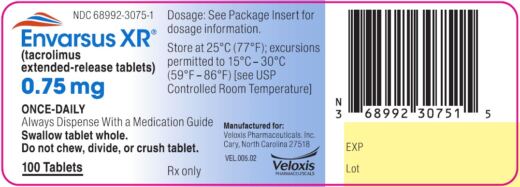 Envarsus Xr🏭 Veloxis Pharmaceuticals, Inc
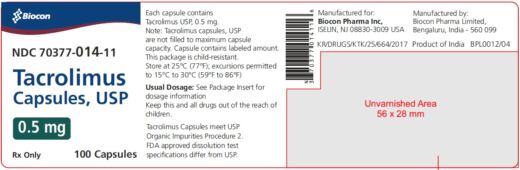 Tacrolimus🏭 Biocon Pharma Inc.
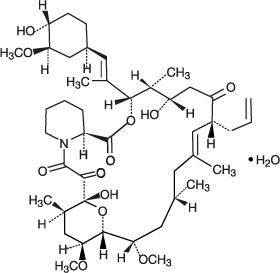 Tacrolimus🏭 E. Fougera & Co. a division of Fougera Pharmaceuticals, LLC
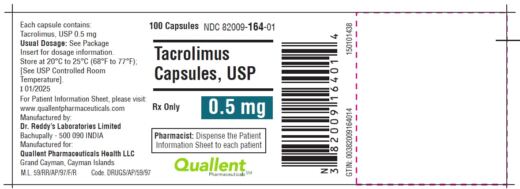 Tacrolimus🏭 Quallent Pharmaceuticals Health LLC
✅ What it is used for
- Prophylaxis of organ rejection in adults receiving an allogeneic kidney transplant
- Prophylaxis of organ rejection in adults receiving an allogeneic liver transplant
- Prophylaxis of organ rejection in adults receiving an allogeneic heart transplant
- Prophylaxis of organ rejection in pediatric patients receiving an allogeneic liver transplant
- Always used in combination with other immunosuppressants
🧪 Active ingredient
Tacrolimus binds to an intracellular protein (FKBP-12) and inhibits calcineurin, which blocks T-lymphocyte activation and proliferation and reduces the immune response that leads to organ rejection.
🌿 Benefits
- Reduces the risk of rejection of a transplanted kidney, liver, or heart
- Used as part of a combination immunosuppressive regimen
📝 How to use
- The dose is set by your doctor or pharmacist and must not be changed without consulting them
- Capsules are taken by mouth, with or without food, but consistently the same way each time because food affects absorption
- The daily dose is usually divided into two doses taken every 12 hours
- Blood levels of the drug are monitored regularly
- Do not eat grapefruit or drink grapefruit juice during treatment
- Do not open or crush the capsules
- Not interchangeable with extended-release tacrolimus products; any switch must be done under physician supervision
💊 Dosage forms
- Hard capsules 0.5 mg (light-yellow)
- Hard capsules 1 mg (white)
- Hard capsules 5 mg (pink)
⚠️ Common side effects
- Abnormal kidney function
- High blood pressure
- Diabetes mellitus and high blood sugar
- Tremor
- Fever
- Infections (including urinary tract infection, bronchitis, and CMV infection)
- Low white blood cell count and anemia
- Constipation or diarrhea
- Headache, insomnia, and numbness or tingling
- Abdominal pain and nausea
- Swelling of the limbs
- High potassium, low magnesium, and high blood lipids
🚨 Serious — seek medical help
- Lymphoma and other malignancies, particularly of the skin
- Serious infections that may lead to hospitalization or death
- Nephrotoxicity (acute and/or chronic)
- Neurotoxicity, including Posterior Reversible Encephalopathy Syndrome (PRES)
- Hyperkalemia
- New onset diabetes after transplant
- Myocardial hypertrophy
- Pure red cell aplasia
- Thrombotic microangiopathy, including hemolytic uremic syndrome and thrombotic thrombocytopenic purpura
- Anaphylactic reactions with the intravenous formulation
⛔ Do not use if
- Hypersensitivity to tacrolimus
- Hypersensitivity to HCO-60 (polyoxyl 60 hydrogenated castor oil) for the injection formulation
❗ Warnings & precautions
- Boxed warning: increased risk of serious infections and malignancies that may lead to hospitalization or death
- Limit exposure to sunlight and UV light with protective clothing and a high-protection broad-spectrum sunscreen; skin should be examined regularly
- Monitor blood glucose, kidney function, potassium, blood pressure, and neurologic symptoms
- Avoid live vaccines
- Not recommended with sirolimus in liver and heart transplant due to increased risk of serious adverse reactions
- Should not be used simultaneously with cyclosporine
- Learn to recognize the capsule appearance to avoid medication errors, since it is not interchangeable with extended-release products
- Intravenous use: patients must be observed continuously for at least 30 minutes after the start of the infusion because of anaphylaxis risk
🔄 Drug interactions
- Grapefruit and grapefruit juice: increase tacrolimus levels and the risk of neurotoxicity and QT prolongation; avoid
- CYP3A inhibitors (e.g., nelfinavir): increase tacrolimus concentrations; monitor levels and adjust the dose
- CYP3A4 inducers: decrease tacrolimus concentrations; monitor levels and adjust the dose
- Mycophenolic acid products: MPA exposure may be higher; monitor for adverse reactions and adjust the dose
- Cannabidiol: therapeutic drug monitoring and tacrolimus dose reduction should be considered
- Other nephrotoxic drugs or drugs that raise potassium: use with caution
- Tell your doctor or pharmacist about all medicines and supplements you take
🤰 Pregnancy
Tacrolimus can cause fetal harm. Postmarketing data and the Transplantation Pregnancy Registry International suggest that infants exposed in utero are at risk of prematurity, birth defects/congenital anomalies, low birth weight, and fetal distress. Tell your doctor immediately if you are pregnant or planning pregnancy.
🍼 Breastfeeding
The label text provided does not include information on breastfeeding. Ask your doctor before breastfeeding during treatment.
🧒 Children
Safety and effectiveness have been established in pediatric liver transplant patients. Children generally require higher doses to maintain blood levels similar to adults; the doctor determines the dose.
👴 Older adults
Clinical trials did not include enough patients aged 65 and over to determine whether they respond differently. Dose selection should be cautious, usually starting at the low end of the range, reflecting the greater frequency of decreased hepatic, renal, or cardiac function and of concomitant disease or other drug therapy.
🌡️ Storage
Store at 20°C to 25°C (68°F to 77°F); excursions permitted to 15°C to 30°C (59°F to 86°F). Do not open or crush capsules, and avoid inhaling or touching the powder; if contact occurs, wash skin thoroughly with soap and water or rinse eyes with water.
⏰ Missed dose
The label does not give instructions for a missed dose. Contact your doctor or pharmacist for advice and do not double the dose on your own.
🆘 Overdose
Overdose experience is limited; acute overdoses of up to 30 times the intended dose have been reported, most asymptomatic with full recovery. Tremors, abnormal renal function, hypertension, and peripheral edema may occur, and in one case transient urticaria and lethargy. If an overdose is suspected, contact your doctor or poison control center or go to the emergency department immediately.
💰 Price & brands in your area
Local prices are currently available for Palestine; more countries are coming. Ask your pharmacist for local price and alternatives.
📍 Find the nearest pharmacy
Your location is used only in your browser to show nearby pharmacies — we don't store it.
Open in Google Maps👨⚕️ For healthcare professionals
Mechanism of action
Tacrolimus binds to FKBP-12 and forms a complex with calcium, calmodulin, and calcineurin, inhibiting calcineurin phosphatase activity and preventing dephosphorylation and translocation of factors such as NF-AT and NF-κB. It inhibits production of several cytokines (IL-1 beta, IL-2, IL-3, IL-4, IL-5, IL-6, IL-8, IL-10, gamma interferon, TNF-alpha, GM-CSF) and IL-2 receptor expression. The net result is inhibition of T-lymphocyte activation and proliferation and of the T-helper-dependent B-cell response.
Labeled dosing
Initial adult oral doses (capsules, divided in two doses every 12 hours): kidney transplant with azathioprine 0.2 mg/kg/day, or with MMF/IL-2 receptor antagonist 0.1 mg/kg/day; liver transplant with corticosteroids only 0.1 to 0.15 mg/kg/day; heart transplant with azathioprine or MMF 0.075 mg/kg/day. Pediatric liver transplant: 0.15 to 0.2 mg/kg/day. Final dosing and adjustments are determined by the physician based on whole blood trough concentrations.
- Whole blood trough ranges: kidney with azathioprine 7 to 20 ng/mL in months 1 to 3 and 5 to 15 in months 4 to 12; kidney with MMF/IL-2 antagonist 4 to 11 ng/mL; liver 5 to 20 ng/mL; heart 10 to 20 ng/mL in months 1 to 3 and 5 to 15 from month 4
- Therapeutic drug monitoring is recommended; dosage adjustments exist for African-American patients and for hepatic and renal impairment
- IV formulation is for patients unable to tolerate oral therapy, with conversion to oral as soon as tolerated to minimize anaphylaxis risk; keep epinephrine and oxygen available
- Not interchangeable with extended-release tacrolimus products; switches must occur under physician supervision
- Monitor blood glucose, potassium, renal function, neurologic status, and blood pressure
- Avoid live vaccines; consider discontinuation for pure red cell aplasia and consider dose reduction/discontinuation for myocardial hypertrophy
🎓 Key points for students
- Calcineurin-inhibitor immunosuppressant produced by Streptomyces tsukubaensis, formerly known as FK506
- Mechanism: binds FKBP-12, inhibits calcineurin, and blocks T-cell activation
- Key adverse effects: nephrotoxicity, neurotoxicity, new onset diabetes after transplant, hyperkalemia, and hypertension
- Boxed warning: increased risk of serious infections and malignancies (notably lymphoma and skin cancer)
- CYP3A substrate; inhibitors and grapefruit raise levels, inducers lower them
- Requires blood-level monitoring because under- or overexposure can cause graft rejection or serious adverse reactions
EME runs your whole clinic: appointments with WhatsApp reminders, patient files, finance & inventory, a patient portal and a members-price medical store — with your data isolated and protected.
Try EME free How we protect your data❓ FAQ
What is tacrolimus used for?
It is used to prevent rejection of a transplanted organ (kidney, liver, or heart in adults; liver in children) in combination with other immunosuppressants.
Can I have grapefruit while taking tacrolimus?
No. Grapefruit and grapefruit juice should be avoided because they raise tacrolimus blood levels and increase the risk of serious adverse reactions.
Should I take it with or without food?
Either is acceptable, but take it the same way every time because food affects how much drug is absorbed.
Can I switch to an extended-release tacrolimus product?
Not on your own. The products are not interchangeable, and any switch must be made under your doctor's supervision.
What are the main risks to watch for?
An increased risk of serious infections and cancers, plus kidney problems, high blood sugar, high blood pressure, and tremor. Keep your follow-up visits and lab tests.
Is it safe in pregnancy?
It can cause fetal harm. Tell your doctor right away if you are pregnant or planning to become pregnant.
⚕️ For education only — not a substitute for advice from your doctor or pharmacist. Do not start or stop any medicine without advice. Source: official FDA drug label via openFDA (2025-07), simplified. Updated: 2026-11-15.