
💊 Prednisolone acetate (Prednisolone Acetate)
Prednisolone Acetate Ophthalmic Suspension USP, 1% is a sterile topical anti-inflammatory agent for ophthalmic use. It is indicated for the treatment of steroid-responsive inflammation of the palpebral and bulbar conjunctiva, cornea and anterior segment of the globe. It is a prescription medicine; the dose is set by the doctor or pharmacist.
In Arabic: بريدنيزولون أسيتات
🏷️ Brand names & manufacturers
Packages shown are US-market (DailyMed). Brands available in Palestine are in the price section below.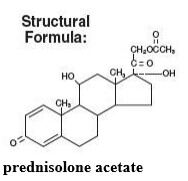 Pred Forte🏭 Allergan, Inc.
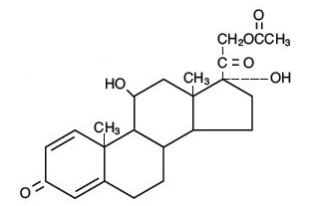 Pred Mild🏭 Allergan, Inc.
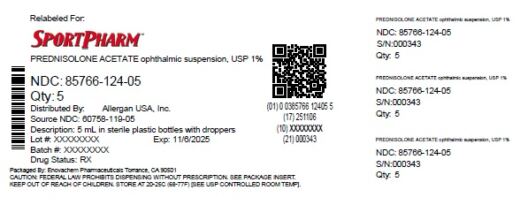 Prednisolone Acetate🏭 Sportpharm LLC
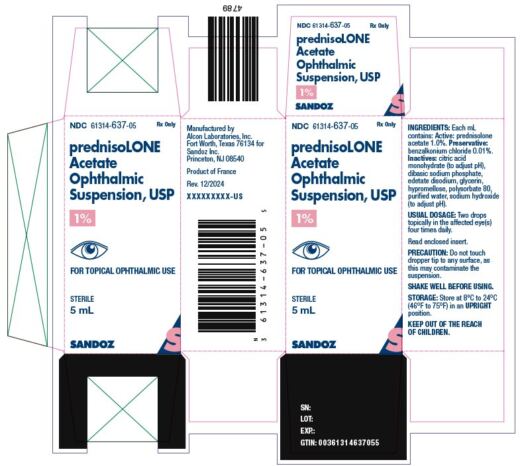 Prednisolone Acetate🏭 Sandoz Inc
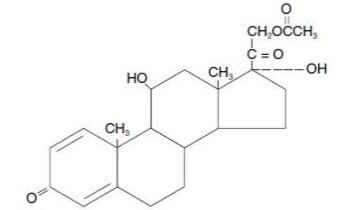 Prednisolone Acetate🏭 Pacific Pharma, Inc.
✅ What it is used for
- Steroid-responsive inflammation of the palpebral and bulbar conjunctiva
- Steroid-responsive inflammation of the cornea
- Steroid-responsive inflammation of the anterior segment of the globe
🧪 Active ingredient
Prednisolone acetate 1% (10 mg/mL) is a glucocorticoid that inhibits the edema, fibrin deposition, capillary dilation and phagocytic migration of the acute inflammatory response, as well as capillary proliferation, deposition of collagen and scar formation.
🌿 Benefits
- Reduces inflammation of the conjunctiva, cornea and anterior segment of the globe
- Anti-inflammatory potency 3 to 5 times that of hydrocortisone on the basis of weight
📝 How to use
- Shake well before using
- Instill drops into the conjunctival sac as directed by the doctor or pharmacist
- Do not discontinue therapy prematurely
- If signs and symptoms fail to improve after 2 days, the patient should be re-evaluated
💊 Dosage forms
- Sterile ophthalmic suspension 1% (10 mg/mL) in 10 mL or 15 mL bottles
⚠️ Common side effects
- Transient burning and stinging upon instillation
- Foreign body sensation
- Eye pain
- Headache
- Dysgeusia
- Pruritus, rash and urticaria
- Visual disturbance (blurry vision)
🚨 Serious — seek medical help
- Elevation of intraocular pressure with possible development of glaucoma and infrequent optic nerve damage
- Posterior subcapsular cataract formation
- Delayed wound healing
- Secondary ocular infection (bacterial, fungal and viral)
- Keratitis, conjunctivitis, corneal ulcers, mydriasis, conjunctival hyperemia, loss of accommodation and ptosis
- Acute anterior uveitis and perforation of the globe
- Allergic reactions including anaphylactic symptoms and asthmatic episodes in sulfite-sensitive people
⛔ Do not use if
- Acute untreated purulent ocular infections
- Most viral diseases of the cornea and conjunctiva including epithelial herpes simplex keratitis (dendritic keratitis), vaccinia and varicella
- Mycobacterial infection of the eye
- Fungal diseases of ocular structures
- Known or suspected hypersensitivity to any of the ingredients of this preparation and to other corticosteroids
❗ Warnings & precautions
- Prolonged use may result in posterior subcapsular cataract formation and may increase intraocular pressure in susceptible individuals, resulting in glaucoma with damage to the optic nerve, defects in visual acuity and fields of vision
- Prolonged use may suppress the host immune response and increase the hazard of secondary ocular infections
- If used for 10 days or longer, intraocular pressure should be routinely monitored
- Steroids should be used with caution in the presence of glaucoma; intraocular pressure should be checked frequently
- Long-term use of topical corticosteroids may cause corneal and scleral thinning; use in the presence of thin corneal or scleral tissue may lead to perforation
- Acute purulent infections of the eye may be masked or activity enhanced by corticosteroid medication
- Use of steroids after cataract surgery may delay healing and increase the incidence of bleb formation
- Ocular steroids may prolong the course and exacerbate the severity of many viral infections of the eye (including herpes simplex)
- Use in patients with a history of herpes simplex requires great caution; frequent slit lamp microscopy is recommended
- Contains sodium bisulfite, a sulfite that may cause allergic-type reactions, including anaphylactic symptoms and life-threatening or less severe asthmatic episodes in certain susceptible people; sulfite sensitivity is seen more frequently in asthmatic than in non-asthmatic people
🤰 Pregnancy
Prednisolone has been shown to be teratogenic in mice when given in doses 1 to 10 times the human dose, with a significant increase in the incidence of cleft palate observed in fetuses of treated mice after ocular application. There are no adequate well-controlled studies in pregnant women. Prednisolone should be used during pregnancy only if the potential benefit justifies the potential risk to the fetus.
🍼 Breastfeeding
It is not known whether topical ophthalmic administration of corticosteroids could result in sufficient systemic absorption to produce detectable quantities in breast milk. Systemically administered corticosteroids appear in human milk and could suppress growth, interfere with endogenous corticosteroid production, or cause other untoward effects. Because of the potential for serious adverse reactions in nursing infants from prednisolone, a decision should be made whether to discontinue nursing or to discontinue the drug, taking into account the importance of the drug to the mother.
🧒 Children
The safety and effectiveness in pediatric patients have been established. Use in pediatric patients is supported by evidence from adequate and well-controlled studies of prednisolone acetate ophthalmic suspension in adults with additional data in pediatric patients.
👴 Older adults
No overall differences in safety or effectiveness have been observed between elderly and younger patients.
🌡️ Storage
Store at 20°C to 25°C (68°F to 77°F), excursions permitted to 15°C to 30°C (59°F to 86°F). Protect from freezing. Store in an upright position.
🆘 Overdose
Overdosage will not ordinarily cause acute problems. If accidentally ingested, drink fluids to dilute.
💰 Price & brands in your area
🏛️ Official price in Palestine — Ministry of Health price list:
| Product | Company | Pack | Price |
|---|---|---|---|
| PREDNITAB 5 MG TAB. PREDNISOLONE ACETATE | BPC | 40 | 17 ₪ |
📍 Find the nearest pharmacy
Your location is used only in your browser to show nearby pharmacies — we don't store it.
Open in Google Maps👨⚕️ For healthcare professionals
Mechanism of action
Prednisolone acetate is a glucocorticoid that inhibits the edema, fibrin deposition, capillary dilation and phagocytic migration of the acute inflammatory response, as well as capillary proliferation, deposition of collagen and scar formation. On the basis of weight, it has 3 to 5 times the anti-inflammatory potency of hydrocortisone.
Labeled dosing
Shake well before using. Instill one to two drops into the conjunctival sac two to four times daily. During the initial 24 hours to 48 hours, the dosing frequency may be increased if necessary. Care should be taken not to discontinue therapy prematurely. If signs and symptoms fail to improve after 2 days, the patient should be re-evaluated.
- If used for 10 days or longer, intraocular pressure should be routinely monitored
- Use with caution in the presence of glaucoma; intraocular pressure should be checked frequently
- Long-term use may cause corneal and scleral thinning and perforation
- Use with great caution in patients with a history of herpes simplex; frequent slit lamp microscopy is recommended
- The possibility of fungal invasion should be considered in any persistent corneal ulceration where steroid treatment has been used
🎓 Key points for students
- Prednisolone acetate is an ophthalmic glucocorticoid at 1% (10 mg/mL)
- Its anti-inflammatory potency is 3 to 5 times that of hydrocortisone on the basis of weight
- The preparation contains benzalkonium chloride as preservative and sodium bisulfite
- Shake well before using
- Prolonged use may cause posterior subcapsular cataract and increased intraocular pressure
EME runs your whole clinic: appointments with WhatsApp reminders, patient files, finance & inventory, a patient portal and a members-price medical store — with your data isolated and protected.
Try EME free How we protect your data❓ FAQ
What is prednisolone acetate ophthalmic suspension?
It is a sterile ophthalmic suspension 1%, a corticosteroid anti-inflammatory agent indicated for steroid-responsive inflammation of the palpebral and bulbar conjunctiva, cornea and anterior segment of the globe.
How should I use the drops?
Shake well before using and instill drops into the conjunctival sac as directed by your doctor or pharmacist; do not discontinue therapy prematurely. The dose is set by the doctor or pharmacist.
What if my symptoms do not improve?
If signs and symptoms fail to improve after 2 days, you should be re-evaluated by your doctor.
Are there serious side effects?
Yes, including elevation of intraocular pressure with possible glaucoma and optic nerve damage, posterior subcapsular cataract formation, delayed wound healing and secondary ocular infection. Contact your doctor if you notice unusual symptoms.
Can it be used during pregnancy or breastfeeding?
Use during pregnancy only if the potential benefit justifies the potential risk to the fetus. During breastfeeding, a decision should be made whether to discontinue nursing or to discontinue the drug, taking into account the importance of the drug to the mother.
How should it be stored?
Store at 20°C to 25°C (68°F to 77°F), excursions permitted to 15°C to 30°C (59°F to 86°F). Protect from freezing and store in an upright position.
⚕️ For education only — not a substitute for advice from your doctor or pharmacist. Do not start or stop any medicine without advice. Source: official FDA drug label via openFDA (2025-06), simplified. Updated: 2026-11-16.