
💊 Potassium chloride (Potassium Chloride)
Potassium Chloride Injection is a sterile, highly concentrated, ready-to-use solution given into a vein to treat potassium deficiency when oral replacement is not feasible. It is intended especially for patients who need fluid restriction. It must be given under medical supervision with continuous cardiac monitoring and frequent serum potassium testing.
In Arabic: كلوريد البوتاسيوم (حقن وريدية)
🏷️ Brand names & manufacturers
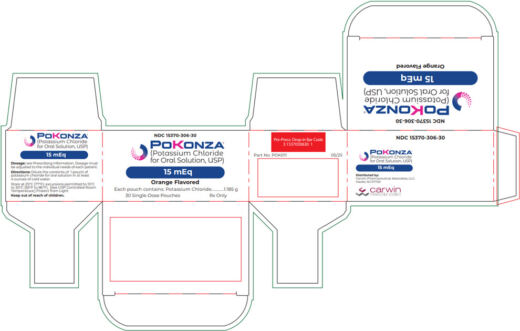 Pokonza🏭 Carwin Pharmaceutical Associates, LLCDailyMed
 Kali Muriaticum Kit Refill🏭 Washington Homeopathic ProductsDailyMed
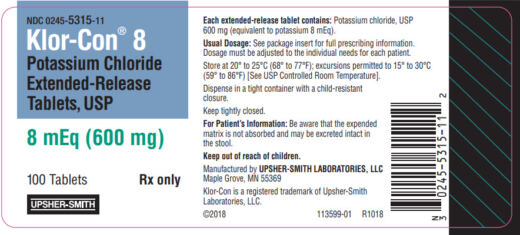 Klor-con🏭 Upsher-Smith Laboratories, LLCDailyMed
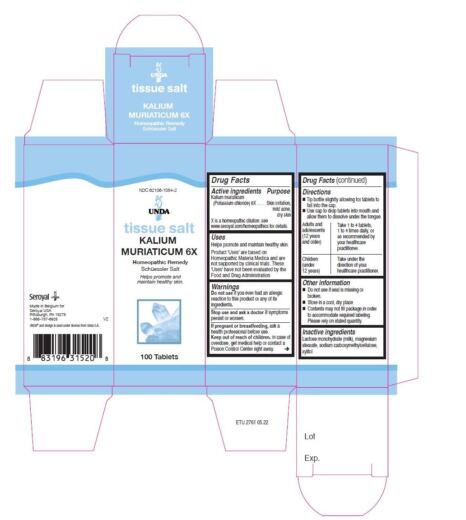 Kalium Muriaticum 6x🏭 Seroyal USADailyMed
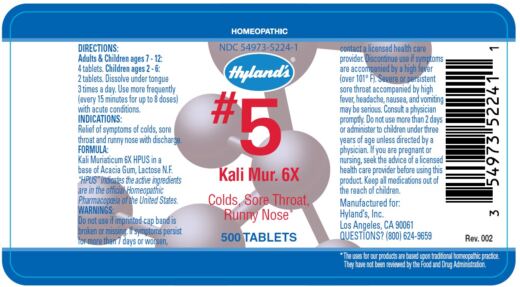 Kali Muriaticum🏭 Hyland's Inc.DailyMed
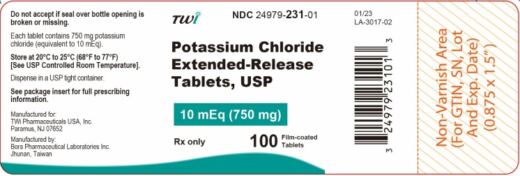 Potassium Chloride Extended-release🏭 Upsher-Smith Laboratories, LLCDailyMed
✅ What it is used for
- Treatment of potassium deficiency states when oral replacement is not feasible
- Maintenance of serum potassium levels
- Potassium supplementation in fluid-restricted patients who cannot accommodate the larger volumes of lower-concentration potassium solutions
🧪 Active ingredient
The active ingredient is potassium chloride. Potassium is the major cation of body cells and helps maintain body fluid composition and electrolyte balance, carbohydrate utilization, protein synthesis, and the regulation of nerve conduction and muscle contraction, particularly in the heart.
🌿 Benefits
- Corrects potassium deficiency when the oral route is not possible
- Allows potassium supplementation in a small fluid volume for fluid-restricted patients
📝 How to use
- Given by intravenous infusion only, using a calibrated infusion device at a slow, controlled rate
- The dose and rate depend on each patient's condition and are determined by the doctor or pharmacist
- Central intravenous administration is recommended; the highest concentration is given via the central route exclusively
- Patients need continuous cardiac monitoring and frequent testing of serum potassium and acid-base balance
- No other medication should be added to the solution
💊 Dosage forms
- Solution for intravenous injection in Viaflex Plus plastic containers: 10 mEq/100 mL, 10 mEq/50 mL, 20 mEq/100 mL, 20 mEq/50 mL, 40 mEq/100 mL
⚠️ Common side effects
- Pain, burning, irritation, redness, or swelling at the infusion site
- Phlebitis (vein inflammation) at the infusion site
- Shortness of breath
- Chest pain
🚨 Serious — seek medical help
- Hyperkalemia and cardiac arrhythmias, including cardiac arrest, asystole, and ventricular fibrillation
- Bradycardia
- Hyponatremia and hyponatremic encephalopathy
- Hypersensitivity reactions such as rash and angioedema
- Infusion site thrombosis
- With extravasation: skin necrosis, skin ulcer, soft tissue and muscle necrosis, nerve, tendon, and vascular injury
⛔ Do not use if
- Hyperkalemia
- Known hypersensitivity to Potassium Chloride Injection
❗ Warnings & precautions
- Do not infuse rapidly, to avoid potassium intoxication
- Use with extreme caution, if at all, in patients with severe renal impairment, acute dehydration, extensive tissue injury or burns, certain cardiac disorders (e.g., congestive heart failure, AV block), or potassium-aggravated skeletal muscle channelopathies (e.g., hyperkalemic periodic paralysis)
- Use with caution in patients at risk of hyperosmolality or acidosis, or undergoing correction of alkalosis
- Continuous cardiac monitoring and frequent serum potassium and acid-base testing are required, especially in patients receiving digitalis
- Concentrated potassium solutions can cause cardiac conduction disorders (including complete heart block) and arrhythmias at any time during infusion
- Verify correct catheter placement before administration; do not use unless the solution is clear and the seal is intact
🔄 Drug interactions
- Products that can cause hyperkalemia (e.g., potassium-sparing diuretics, ACE inhibitors, angiotensin II receptor antagonists, cyclosporine, tacrolimus) increase the risk of severe and potentially fatal hyperkalemia; avoid use, or monitor serum potassium if unavoidable
- Drugs that increase the risk of hyponatremia (e.g., diuretics, antiepileptics, drugs increasing vasopressin effect) may increase hyponatremia risk; avoid, or monitor serum sodium if unavoidable
- Digitalis: close monitoring is needed, and too rapid lowering of plasma potassium can cause digitalis toxicity
🤰 Pregnancy
There are no adequate, well-controlled studies in pregnant women and animal reproduction studies have not been conducted, so it is not known whether the drug can cause fetal harm. It should be given during pregnancy only if the potential benefit justifies the potential risk to the fetus.
🍼 Breastfeeding
It is not known whether this drug is present in human milk. Caution should be exercised when it is given to a nursing mother.
🧒 Children
These products should not be used in children at this time. Safety and effectiveness in pediatric patients have not been established by adequate and well-controlled studies.
👴 Older adults
The label does not provide specific information for elderly patients.
🌡️ Storage
Store at room temperature (25°C). Avoid excessive heat; exposure to heat should be minimized.
⏰ Missed dose
This drug is given in a healthcare setting under staff supervision, so a missed dose by the patient does not apply. Inform your doctor or nurse of any delay or concern.
🆘 Overdose
Potassium overdose can cause potentially fatal hyperkalemia, with cardiac conduction disturbances and arrhythmias, hypotension, muscle weakness up to respiratory paralysis, paresthesia, and gastrointestinal symptoms (ileus, nausea, vomiting, abdominal pain). Any EKG finding suspected to be caused by hyperkalemia is a medical emergency. The infusion must be stopped immediately and the medical team will provide monitoring and corrective treatment.
💰 Price & brands in your area
🏛️ Official price in Palestine — Ministry of Health price list:
| Product | Company | Pack | Price |
|---|---|---|---|
| MACROKLEAN POWDER FOR ORAL SOLUTION Sachet A contains: Macrogol 3350, sodium sulfate anhydrous , sodium chloride and | Beit Jala | 4 sachets/Box (Each 2 sachets (Sachet A and Sachet B) are contained in a trans | 72 ₪ |
📍 Find the nearest pharmacy
Your location is used only in your browser to show nearby pharmacies — we don't store it.
Open in Google Maps👨⚕️ For healthcare professionals
Mechanism of action
Potassium is the major intracellular cation (160 mEq/liter of intracellular water), maintaining body fluid composition and electrolyte balance, and participating in carbohydrate utilization and protein synthesis; it is critical for nerve conduction and muscle contraction, particularly in the heart. Chloride, the major extracellular anion, follows sodium metabolism. About 80-90% of potassium intake is excreted in urine, the rest in stool and to a small extent in perspiration. The kidney does not conserve potassium well, so depletion can continue during fasting or a potassium-free diet; a deficiency of either potassium or chloride leads to a deficit of the other.
Labeled dosing
Dose and rate depend on the specific condition of each patient. Administer intravenously only with a calibrated infusion device at a slow, controlled rate; the highest concentration (400 mEq/L) exclusively via the central route. Rates should not usually exceed 10 mEq/hour or 200 mEq/24 hours if serum potassium is greater than 2.5 mEq/L. In urgent cases (serum potassium less than 2.0 mEq/L with ECG changes and/or muscle paralysis), rates up to 40 mEq/hour or 400 mEq/24 hours may be given very carefully with continuous EKG monitoring and frequent serum K+ determinations. A final filter is recommended where possible; do not add supplementary medication.
- Verify correct catheter placement before administration
- Inspect visually for particulate matter and discoloration; use only if the solution is clear and the seal is intact
- Management of hyperkalemia: discontinue infusion immediately, monitor EKG and laboratory values, dextrose 10% or 25% with insulin, cation exchange resin orally or as retention enema, hemodialysis or peritoneal dialysis
- Too rapid lowering of plasma potassium in digitalized patients can cause digitalis toxicity
🎓 Key points for students
- Potassium is the major intracellular cation; chloride is the major extracellular anion
- Hyperkalemia is the key risk; EKG changes include peaked T waves, loss of P waves, and QRS widening
- Usual maximum infusion rate is 10 mEq/hour, up to 40 mEq/hour in urgent cases with continuous monitoring
- Peripheral infusion of concentrated solutions is associated with pain, phlebitis, and extravasation risk, so the central route is preferred
- Hyperkalemia is a contraindication to use
EME runs your whole clinic: appointments with WhatsApp reminders, patient files, finance & inventory, a patient portal and a members-price medical store — with your data isolated and protected.
Try EME free How we protect your data❓ FAQ
What is intravenous potassium chloride used for?
It treats potassium deficiency when oral replacement is not feasible and maintains serum potassium in fluid-restricted patients.
Why is cardiac monitoring needed during infusion?
Concentrated potassium solutions can cause cardiac conduction disorders and arrhythmias if potassium rises, so continuous monitoring and frequent testing are required.
Who should not receive this medicine?
Patients with hyperkalemia or known hypersensitivity to the injection.
Can it be given to children?
It should not be used in children at this time because safety and effectiveness have not been established.
What are the signs of high potassium?
Arrhythmias, low blood pressure, muscle weakness, tingling, and gastrointestinal symptoms. Mild cases may have no symptoms, so lab testing is essential.
Can I decide my own dose?
No. The dose and infusion rate are set by your doctor or pharmacist, and the drug is given only in a healthcare setting.
⚕️ For education only — not a substitute for advice from your doctor or pharmacist. Do not start or stop any medicine without advice. Source: official FDA drug label via openFDA (2026-01), simplified. Updated: 2026-11-15.