
💊 Pioglitazone (Pioglitazone)
Pioglitazone is an oral medicine used with diet and exercise to improve blood sugar control in adults with type 2 diabetes mellitus. It reduces insulin resistance and works only in the presence of endogenous insulin. It carries a boxed warning for causing or worsening congestive heart failure.
In Arabic: بيوغليتازون
🏷️ Brand names & manufacturers
Packages shown are US-market (DailyMed). Brands available in Palestine are in the price section below.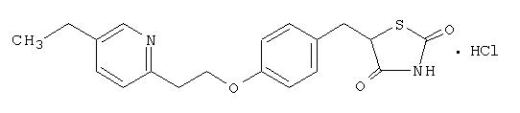 Actos🏭 Takeda Pharmaceuticals America, Inc.
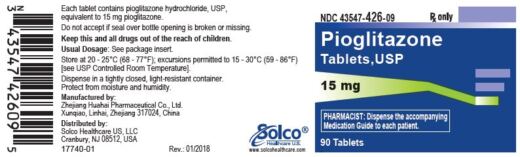 Pioglitazone🏭 Solco Healthcare LLC
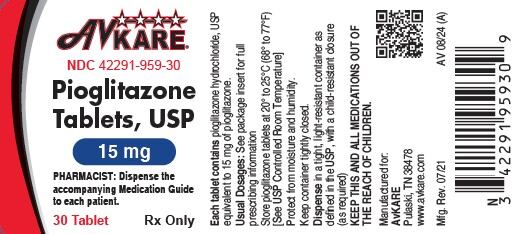 Pioglitazone🏭 AvKARE
 Pioglitazone🏭 Rising Pharma Holdings, Inc.
✅ What it is used for
- Improve glycemic control in adults with type 2 diabetes, as an adjunct to diet and exercise
- Used alone or in combination with other antidiabetic medicines
🧪 Active ingredient
The active ingredient is pioglitazone, a thiazolidinedione. It decreases insulin resistance in the periphery and liver, increasing insulin-dependent glucose disposal and decreasing hepatic glucose output. It is not an insulin secretagogue.
🌿 Benefits
- Improves blood glucose control (HbA1c) in type 2 diabetes
- Can be used alone or with a sulfonylurea, metformin, or insulin
- In clinical trials, patients had decreases in serum triglycerides and increases in HDL cholesterol
📝 How to use
- Taken once daily, with or without meals
- The dose is set by your doctor or pharmacist and should not be changed without consulting them
- Your doctor may check liver tests before starting treatment
- Watch weight and swelling, and report unusual symptoms after starting or increasing the dose
💊 Dosage forms
- Tablets 15 mg
- Tablets 30 mg
- Tablets 45 mg
⚠️ Common side effects
- Upper respiratory tract infection
- Headache
- Sinusitis
- Myalgia (muscle pain)
- Pharyngitis
- Edema and fluid retention
🚨 Serious — seek medical help
- Congestive heart failure or worsening of it (rapid weight gain, shortness of breath, swelling)
- Hepatic failure (postmarketing reports, sometimes fatal)
- Possible increased risk of bladder cancer
- Bone fractures, mainly in female patients
- Macular edema (sudden visual changes)
- Hypoglycemia when used with insulin or an insulin secretagogue
⛔ Do not use if
- Initiation in patients with established NYHA Class III or IV heart failure
- Known hypersensitivity to pioglitazone or any component of the tablet
❗ Warnings & precautions
- Boxed warning: causes or exacerbates congestive heart failure; not recommended in symptomatic heart failure
- Not for type 1 diabetes or diabetic ketoacidosis
- Use caution in liver disease; check liver tests before starting, promptly interrupt if liver injury is detected, and do not restart if confirmed with no other cause found
- Do not use in active bladder cancer; use caution with a prior history of bladder cancer
- Regular eye exams recommended in diabetes, with prompt evaluation of acute visual changes
- No clinical studies have established conclusive evidence of macrovascular risk reduction
🔄 Drug interactions
- Strong CYP2C8 inhibitors (e.g., gemfibrozil) increase pioglitazone exposure about 3-fold; maximum dose 15 mg daily
- CYP2C8 inducers (e.g., rifampin) may decrease exposure; diabetes treatment changes may be needed
- Topiramate may decrease pioglitazone exposure; monitor glycemic control
- Insulin or insulin secretagogues (e.g., sulfonylureas): their dose may need reduction to avoid hypoglycemia
🤰 Pregnancy
Limited data in pregnant women are not sufficient to determine a drug-associated risk. Poorly controlled diabetes in pregnancy increases risks to mother and fetus. Consult your doctor before use. Premenopausal women should be advised of the potential for unintended pregnancy.
🍼 Breastfeeding
The provided label text contains no sufficient information on breastfeeding; consult your doctor or pharmacist.
🧒 Children
Not recommended for use in pediatric patients.
🌡️ Storage
Store at 20-25°C (68-77°F); excursions permitted to 15-30°C (59-86°F). Keep the container tightly closed and protect from light, moisture and humidity.
🆘 Overdose
In case of overdose, appropriate supportive treatment should be initiated according to clinical signs and symptoms. Seek emergency care or contact a poison center immediately.
💰 Price & brands in your area
Local prices are currently available for Palestine; more countries are coming. Ask your pharmacist for local price and alternatives.
📍 Find the nearest pharmacy
Your location is used only in your browser to show nearby pharmacies — we don't store it.
Open in Google Maps👨⚕️ For healthcare professionals
Mechanism of action
A thiazolidinedione PPAR-gamma agonist that increases insulin sensitivity in adipose tissue, skeletal muscle and liver, raising insulin-dependent glucose disposal and lowering hepatic glucose output. Its effect depends on the presence of insulin and it is not an insulin secretagogue.
Labeled dosing
Adults: initiate at 15 mg or 30 mg once daily; limit to 15 mg once daily in NYHA Class I or II heart failure. Titrate in 15 mg increments to a maximum of 45 mg once daily based on HbA1c. Maximum 15 mg daily with gemfibrozil or other strong CYP2C8 inhibitors. If hypoglycemia occurs with insulin, decrease insulin dose by 10% to 25%. Final dose is determined by the prescriber or pharmacist.
- Obtain liver tests (ALT, AST, alkaline phosphatase, total bilirubin) before initiating; routine periodic monitoring is not recommended in patients without liver disease
- Monitor carefully for fluid retention, weight gain, edema and heart failure signs after initiation or dose increase
- Apply current standards of care for assessing and maintaining bone health
- Most common adverse reactions (≥5%): upper respiratory tract infection, headache, sinusitis, myalgia, pharyngitis
🎓 Key points for students
- Class: thiazolidinedione, PPAR-gamma agonist
- Mechanism: reduces peripheral and hepatic insulin resistance; not an insulin secretagogue
- Boxed warning: congestive heart failure; contraindicated to initiate in NYHA III-IV
- Key interaction: gemfibrozil (CYP2C8 inhibitor) raises exposure ~3-fold, so max dose is 15 mg
- Important adverse effects: fluid retention, fractures in females, bladder cancer, macular edema, hepatic effects
- Maximum dose: 45 mg once daily
EME runs your whole clinic: appointments with WhatsApp reminders, patient files, finance & inventory, a patient portal and a members-price medical store — with your data isolated and protected.
Try EME free How we protect your data❓ FAQ
What is pioglitazone used for?
It is used with diet and exercise to improve blood sugar control in adults with type 2 diabetes mellitus.
Can it be taken with food?
Yes, it is taken once daily with or without meals, and the dose is set by your doctor or pharmacist.
Is it suitable for type 1 diabetes?
No. It should not be used in type 1 diabetes or diabetic ketoacidosis because it works only in the presence of endogenous insulin.
Which symptoms should prompt me to see a doctor?
Rapid weight gain, shortness of breath, leg swelling, sudden vision changes, or signs of liver problems.
Can it cause low blood sugar?
It may when used with insulin or insulin secretagogues, and your doctor may need to lower their doses.
⚕️ For education only — not a substitute for advice from your doctor or pharmacist. Do not start or stop any medicine without advice. Source: official FDA drug label via openFDA (2020-01), simplified. Updated: 2026-11-16.