
💊 Oxybutynin (Oxytrol)
Oxybutynin (OXYTROL) is a transdermal patch used to treat overactive bladder in men with symptoms of urge urinary incontinence, urgency, and frequency. It works by relaxing bladder smooth muscle. The dose and use are determined by your doctor or pharmacist.
In Arabic: أوكسي بيوتينين🏷️ Brand names & manufacturers
Packages shown are US-market (DailyMed). Brands available in Palestine are in the price section below.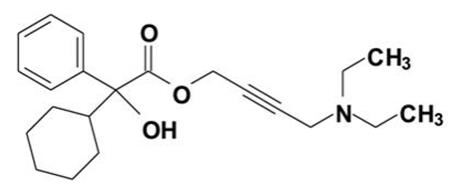 Oxytrol🏭 Allergan, Inc.
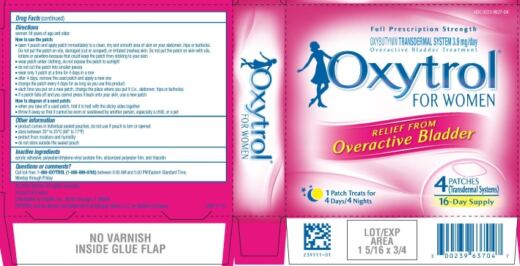 Oxytrol For Women🏭 Allergan, Inc.
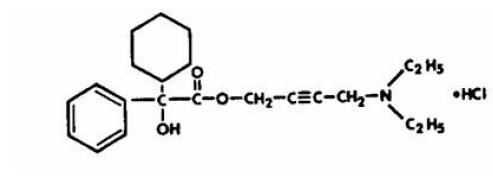 Oxybutynin🏭 Redpharm Drug
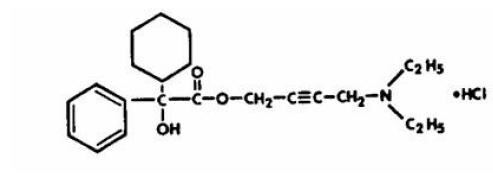 Oxybutynin🏭 Zydus Pharmaceuticals USA Inc.
 Oxybutynin🏭 NCS HealthCare of KY, LLC dba Vangard Labs
✅ What it is used for
- Treatment of overactive bladder in men with symptoms of urge urinary incontinence, urgency, and frequency
🧪 Active ingredient
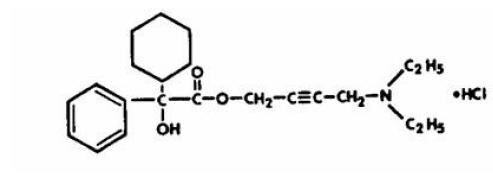
The active ingredient is oxybutynin, a muscarinic antagonist and antispasmodic that blocks acetylcholine at muscarinic receptors, relaxing bladder smooth muscle and increasing bladder capacity.
🌿 Benefits
- Relief of overactive bladder symptoms: urge incontinence, urgency, and frequency
- Increases maximum bladder capacity
📝 How to use
- Apply to dry, intact skin on the abdomen, hip, or buttock.
- Replace the patch twice weekly (every 3 to 4 days).
- Choose a new application site with each patch to avoid re-applying to the same site within 7 days.
- Do not divide or cut the patch, and do not use it if damaged.
- The dose and duration are set by your doctor or pharmacist; do not change them without medical advice.
💊 Dosage forms
- Transdermal system (patch) 3.9 mg/day; 39 cm² containing 36 mg oxybutynin
⚠️ Common side effects
- Application site reactions (itching, redness, vesicles, rash)
- Dry mouth
- Diarrhea
- Constipation
- Painful or difficult urination (dysuria)
- Abnormal vision
🚨 Serious — seek medical help
- Skin hypersensitivity reactions (discontinue the drug)
- Angioedema (swelling), reported with oral oxybutynin; stop and seek medical care
- Urinary retention
- Somnolence, dizziness, confusion, hallucinations, memory impairment, delirium
⛔ Do not use if
- Urinary retention
- Gastric retention
- Uncontrolled narrow-angle glaucoma
- Known serious hypersensitivity to OXYTROL, oxybutynin, or any of its components
❗ Warnings & precautions
- Use with caution in clinically significant bladder outflow obstruction because of the risk of urinary retention.
- Use with caution in gastrointestinal obstructive disorders or decreased motility (e.g., ulcerative colitis, intestinal atony).
- Use with caution in hiatus hernia/gastroesophageal reflux or when taking drugs (such as bisphosphonates) that can cause or worsen esophagitis.
- May cause drowsiness; do not drive or operate heavy machinery until you know how it affects you.
- Avoid in myasthenia gravis.
- Discontinue for skin hypersensitivity or symptoms of angioedema.
🔄 Drug interactions
- Other anticholinergics or agents causing dry mouth, constipation, or somnolence may increase the frequency and/or severity of these effects.
- Anticholinergics may alter the absorption of some co-administered drugs through effects on GI motility.
- No studies were done with cytochrome P450 inhibitors such as ketoconazole, itraconazole, miconazole, erythromycin, and clarithromycin.
- Tell your doctor or pharmacist about all medicines you take.
🤰 Pregnancy
There are no studies in pregnant women to inform the risk of birth defects or miscarriage. No adverse developmental outcomes were seen in animal studies (rats and rabbits). Consult your doctor before use.
🍼 Breastfeeding
There is no information on oxybutynin in human milk, its effects on the breastfed child, or on milk production. The benefits of breastfeeding should be weighed against the mother's clinical need for the drug; consult your doctor.
🧒 Children
Safety and efficacy of OXYTROL in pediatric patients have not been established.
👴 Older adults
49% of treated patients in clinical studies were 65 or older, with no overall differences in safety or effectiveness, though greater sensitivity in some older individuals cannot be ruled out.
🌡️ Storage
Store at 20-25°C (68-77°F) and protect from moisture and humidity. Do not store outside the sealed pouch; apply immediately after removal from the pouch. Discard used patches in household trash in a way that prevents accidental application or ingestion by children, pets, or others. Keep out of reach of children.
⏰ Missed dose
The label gives no specific instruction for a missed dose. Ask your doctor or pharmacist and do not double the dose on your own.
🆘 Overdose
Overdose may cause anticholinergic effects including CNS excitation, flushing, fever, dehydration, cardiac arrhythmia, vomiting, and urinary retention. Plasma concentrations decline within 1 to 2 hours after patch removal. Seek medical help immediately; patients should be monitored until symptoms resolve.
💰 Price & brands in your area
Local prices are currently available for Palestine; more countries are coming. Ask your pharmacist for local price and alternatives.
📍 Find the nearest pharmacy
Your location is used only in your browser to show nearby pharmacies — we don't store it.
Open in Google Maps👨⚕️ For healthcare professionals
Mechanism of action
Oxybutynin is a competitive antagonist of acetylcholine at postganglionic muscarinic receptors, relaxing bladder smooth muscle. It increases maximum bladder capacity and the volume to first detrusor contraction. It is a racemate (R and S isomers); antimuscarinic activity resides predominantly in the R-isomer. The active metabolite N-desethyloxybutynin has similar activity on human detrusor muscle in vitro. It is absorbed through intact skin by passive diffusion.
Labeled dosing
Label general adult dosing: one 3.9 mg/day patch applied to dry, intact skin (abdomen, hip, or buttock) twice weekly (every 3-4 days), rotating sites and not re-using a site within 7 days. Do not cut the patch. The dose is set by the doctor or pharmacist for each patient.
- Most common adverse reactions (>5% and > placebo): application site reactions and dry mouth.
- Severe application site reactions: 6.4% (Study 1) and 5.0% (Study 2).
- Discontinuation due to adverse reactions: 11.2% and 10.7%, mostly due to application site reactions.
- Postmarketing: memory impairment, dizziness, somnolence, confusion, delirium, hallucinations.
- No pharmacokinetic studies were performed with CYP450 inhibitors.
🎓 Key points for students
- Class: muscarinic antagonist (cholinergic muscarinic antagonist).
- Mechanism: competes with acetylcholine at muscarinic receptors, relaxing the bladder detrusor.
- Indication: overactive bladder in men.
- Contraindications: urinary retention, gastric retention, uncontrolled narrow-angle glaucoma, hypersensitivity.
- Key adverse effects: application site reactions and dry mouth.
- Administration: transdermal patch twice weekly with site rotation.
EME runs your whole clinic: appointments with WhatsApp reminders, patient files, finance & inventory, a patient portal and a members-price medical store — with your data isolated and protected.
Try EME free How we protect your data❓ FAQ
What is the oxybutynin patch used for?
It treats overactive bladder in men with urge urinary incontinence, urgency, and frequency.
How often should the patch be changed?
Twice weekly (every 3 to 4 days), choosing a new site each time, as directed by your doctor.
Can I cut the patch?
No. Do not divide or cut the patch, and do not use it if it is damaged.
What are the most common side effects?
Application site reactions such as itching and redness, and dry mouth.
Does it affect driving?
It may cause drowsiness, so do not drive or operate heavy machinery until you know how it affects you.
⚕️ For education only — not a substitute for advice from your doctor or pharmacist. Do not start or stop any medicine without advice. Source: official FDA drug label via openFDA (2024-05), simplified. Updated: 2026-11-15.