
💊 Ofloxacin (Ofloxacin)
Ofloxacin ophthalmic solution 0.3% is a sterile eye solution used to treat bacterial eye infections caused by susceptible strains in bacterial conjunctivitis and corneal ulcers. It is a topical ophthalmic anti-infective and is not for injection.
In Arabic: أوفلوكساسين
🏷️ Brand names & manufacturers
Packages shown are US-market (DailyMed). Brands available in Palestine are in the price section below.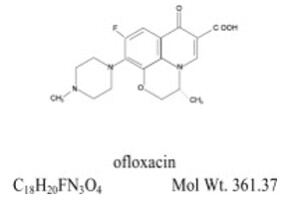 Ocuflox🏭 Allergan, Inc.
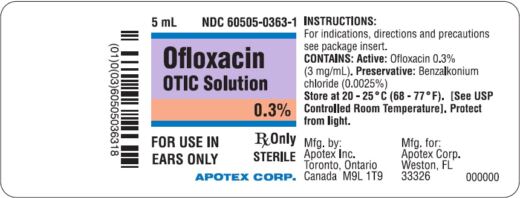 Ofloxacin Otic🏭 Apotex Corp.
 Ofloxacin Ophthalmic🏭 Altaire Pharmaceuticals Inc.
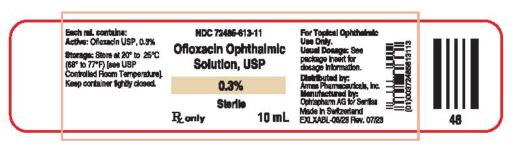 Ofloxacin🏭 ARMAS PHARMACEUTICALS INC.
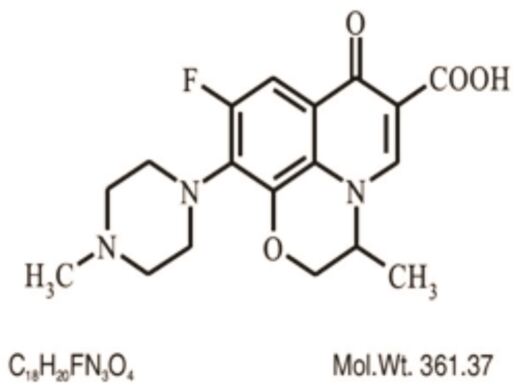 Ofloxacin🏭 Rising Pharma Holdings, Inc.
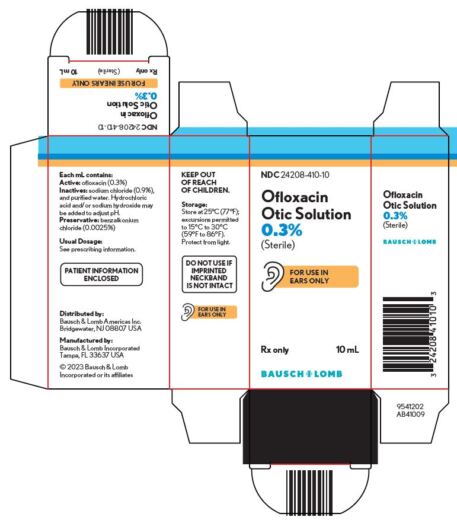 Ofloxacin🏭 Redpharm Drug
✅ What it is used for
- Treatment of bacterial conjunctivitis caused by susceptible gram-positive and gram-negative bacteria
- Treatment of bacterial corneal ulcers caused by susceptible gram-positive, gram-negative, and anaerobic bacteria
🧪 Active ingredient
The active ingredient is ofloxacin 0.3%, a topical ophthalmic fluorinated carboxyquinolone anti-infective. It is thought to exert a bactericidal effect on susceptible bacterial cells by inhibiting DNA gyrase, an essential bacterial enzyme critical in the duplication, transcription, and repair of bacterial DNA.
🌿 Benefits
- Topical ophthalmic antibiotic for bacterial conjunctival and corneal infections
- Has in vitro activity against a broad range of gram-positive and gram-negative aerobic and anaerobic bacteria
- Bactericidal at concentrations equal to or slightly greater than inhibitory concentrations
📝 How to use
- Wash hands before each use
- Before first use, be sure the dust cover seal is unbroken
- Instill drops into the affected eye(s) as prescribed by your doctor
- Do not enlarge the hole of the insert tip; it is designed to provide a premeasured drop
- If you use other topically applied ophthalmic medications, administer them at least 10 minutes before or after ofloxacin ophthalmic solution
- Repeat with the other eye if instructed by your doctor
💊 Dosage forms
- Sterile ophthalmic solution 0.3% (3 mg/mL) in a 5 mL bottle
⚠️ Common side effects
- Transient ocular burning or discomfort is the most frequently reported drug-related adverse reaction
- Stinging
- Redness
- Itching
- Foreign body sensation
- Photophobia
- Blurred vision
- Tearing
- Dryness
- Eye pain
🚨 Serious — seek medical help
- Chemical conjunctivitis/keratitis
- Ocular/periocular/facial edema
- Rare serious hypersensitivity reactions including anaphylactic reaction/shock and fatal hypersensitivity reactions
- A rare occurrence of Stevens-Johnson syndrome progressing to toxic epidermal necrolysis
- Dizziness and nausea (rare)
⛔ Do not use if
- History of hypersensitivity to ofloxacin
- Hypersensitivity to other quinolones
- Hypersensitivity to any of the components of this medication
❗ Warnings & precautions
- Not for injection
- Should not be injected subconjunctivally or introduced directly into the anterior chamber of the eye
- If an allergic reaction to ofloxacin occurs, discontinue the drug
- Serious acute hypersensitivity reactions may require immediate emergency treatment, including oxygen and airway management such as intubation as clinically indicated
- Ophthalmic medications handled improperly can become contaminated by common bacteria known to cause eye infections; serious damage to the eye and subsequent loss of vision may result from using contaminated ophthalmic medications
- If you think your medication may be contaminated, or if you develop an eye infection, contact your doctor immediately concerning continued use of this bottle
- Keep out of reach of children
🔄 Drug interactions
- If you use other topically applied ophthalmic medications, they should be administered at least 10 minutes before or after the use of ofloxacin ophthalmic solution
🌡️ Storage
Store at 20° to 25°C (68° to 77°F) [see USP Controlled Room Temperature]. Keep out of reach of children.
💰 Price & brands in your area
🏛️ Official price in Palestine — Ministry of Health price list:
| Product | Company | Pack | Price |
|---|---|---|---|
| Ophtaflox 0.3% eye drops solution Ofloxacin | Alison pharmaceutical company | eye drop | 11 ₪ |
📍 Find the nearest pharmacy
Your location is used only in your browser to show nearby pharmacies — we don't store it.
Open in Google Maps👨⚕️ For healthcare professionals
Mechanism of action
Ofloxacin is a topical ophthalmic fluorinated quinolone that is bactericidal at concentrations equal to or slightly greater than inhibitory concentrations. It is thought to exert a bactericidal effect on susceptible bacterial cells by inhibiting DNA gyrase, an essential bacterial enzyme critical in the duplication, transcription, and repair of bacterial DNA. Cross-resistance has been observed between ofloxacin and other fluoroquinolones; there is generally no cross-resistance between ofloxacin and other classes such as beta-lactams or aminoglycosides.
Labeled dosing
The dose is set by the doctor/pharmacist. Bacterial conjunctivitis: Days 1 and 2: instill one to two drops every two to four hours in the affected eye(s). Days 3 through 7: instill one to two drops four times daily. Bacterial corneal ulcer: Days 1 and 2: instill one to two drops into the affected eye every 30 minutes while awake; awaken at approximately four and six hours after retiring and instill one to two drops. Days 3 through 7 to 9: instill one to two drops hourly while awake. Days 7 to 9 through treatment completion: instill one to two drops four times daily.
- Not for injection; should not be injected subconjunctivally or introduced directly into the anterior chamber of the eye
- Discontinue the drug if an allergic reaction occurs
- Serious acute hypersensitivity reactions may require immediate emergency treatment
- Other topically applied ophthalmic medications should be administered at least 10 minutes before or after ofloxacin ophthalmic solution
- The bottle contains an extra amount of solution so the full prescribed amount can be obtained
🎓 Key points for students
- Ofloxacin ophthalmic solution 0.3% is a sterile, unbuffered ophthalmic solution with a pH of 6.4 (range 6.0 to 6.8) and osmolality of 300 mOsm/kg
- Contains: Active: ofloxacin 0.3% (3 mg/mL); Preservative: benzalkonium chloride (0.005%); Inactives: sodium chloride and water for injection; may also contain hydrochloric acid and/or sodium hydroxide to adjust pH
- In 30 healthy women, mean serum ofloxacin concentrations ranged from 0.4 ng/mL to 1.9 ng/mL; maximum serum concentrations after ten days of topical ophthalmic dosing were more than 1000 times lower than those reported after standard oral doses
- Tear ofloxacin concentrations ranged from 5.7 to 31 mcg/g during the 40 minutes after the last dose on day 11; mean tear concentration four hours after dosing was 9.2 mcg/g
- Corneal tissue concentrations of 4.4 mcg/mL were observed four hours after beginning topical ocular application of two drops every 30 minutes
- Ofloxacin was excreted in the urine primarily unmodified
EME runs your whole clinic: appointments with WhatsApp reminders, patient files, finance & inventory, a patient portal and a members-price medical store — with your data isolated and protected.
Try EME free How we protect your data❓ FAQ
What is ofloxacin and what does it treat?
It is a sterile ophthalmic solution 0.3% indicated for the treatment of bacterial conjunctivitis and bacterial corneal ulcers caused by susceptible strains of bacteria.
How should I use the drops correctly?
Wash your hands before each use, be sure the dust cover seal is unbroken before first use, and instill drops into the affected eye(s) as prescribed by your doctor. Do not enlarge the hole of the insert tip. If you use other ophthalmic medications, separate them from ofloxacin by at least 10 minutes.
What is the most common side effect?
Transient ocular burning or discomfort is the most frequently reported drug-related adverse reaction; stinging, redness, itching, blurred vision, tearing, dryness, and eye pain may also occur.
Are there important warnings I should know?
Yes. The solution is not for injection and should not be injected subconjunctivally or introduced into the anterior chamber of the eye. Discontinue the drug if an allergic reaction occurs, and contact your doctor immediately if you think the medication may be contaminated or if you develop an eye infection.
How should I store it?
Store at 20° to 25°C (68° to 77°F) and keep out of reach of children.
Can it interact with other eye medications?
If you use other topically applied ophthalmic medications, they should be administered at least 10 minutes before or after ofloxacin ophthalmic solution.
⚕️ For education only — not a substitute for advice from your doctor or pharmacist. Do not start or stop any medicine without advice. Source: official FDA drug label via openFDA (2026-06), simplified. Updated: 2026-11-16.