
💊 Mupirocin (Mupirocin)
Mupirocin cream is a topical antibacterial for use on the skin only to treat secondarily infected traumatic skin lesions caused by Staphylococcus aureus and Streptococcus pyogenes. A small amount is applied to the affected area as directed by your doctor or pharmacist.
In Arabic: ميوبيروسين
🏷️ Brand names & manufacturers
Packages shown are US-market (DailyMed). Brands available in Palestine are in the price section below.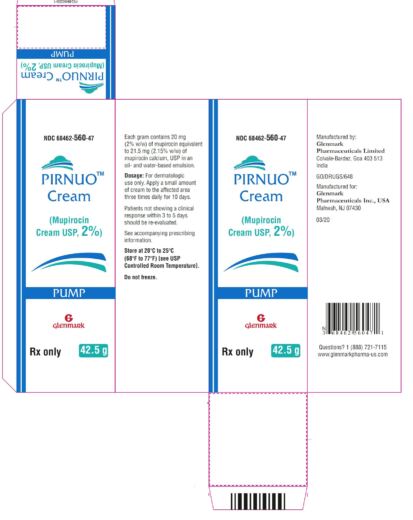 Pirnuo🏭 Glenmark Pharmaceuticals Inc., USA
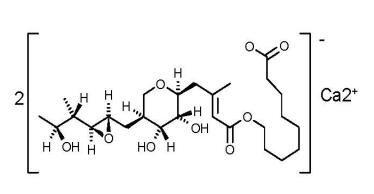 Mupirocin🏭 Alembic Pharmaceuticals Limited
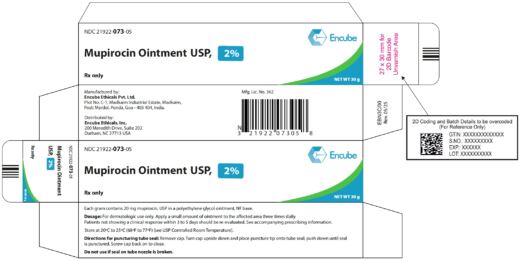 Mupirocin🏭 Redpharm Drug
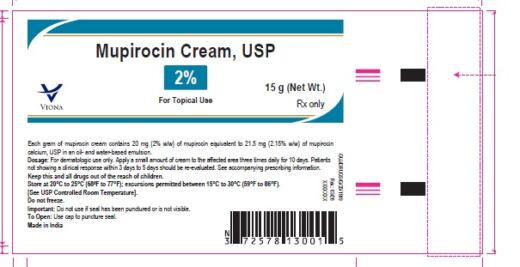 Mupirocin🏭 Zydus Lifesciences Limited
✅ What it is used for
- Treatment of secondarily infected traumatic skin lesions (up to 10 cm in length or 100 cm² in area) due to susceptible isolates of Staphylococcus aureus and Streptococcus pyogenes.
🧪 Active ingredient
The active ingredient is mupirocin (as mupirocin calcium), an antibacterial that inhibits bacterial protein synthesis by binding to isoleucyl-tRNA synthetase; it is bactericidal at concentrations achieved with topical use.
🌿 Benefits
- Treats bacterial infection of skin wounds caused by S. aureus and S. pyogenes.
- Minimal systemic absorption through intact skin.
📝 How to use
- For topical (skin) use only.
- The dose and duration are set by your doctor or pharmacist; do not change them without consulting them.
- Apply a small amount to the affected area with a cotton swab or gauze pad.
- The treated area may be covered with a gauze dressing if desired.
- Do not use in the nose, eyes, or on other mucous membranes.
- Do not apply together with any other lotion, cream, or ointment.
- See your doctor if there is no improvement within 3 to 5 days.
💊 Dosage forms
- 2% cream (20 mg mupirocin per gram) in 15-gram and 30-gram tubes.
⚠️ Common side effects
- Headache
- Rash
- Nausea
🚨 Serious — seek medical help
- Severe systemic allergic reactions including anaphylaxis, urticaria, angioedema, and generalized rash.
- Sensitization or severe local irritation at the application site.
- Clostridium difficile-associated diarrhea, ranging from mild diarrhea to fatal colitis.
⛔ Do not use if
- Known hypersensitivity to mupirocin or any ingredient of the cream.
❗ Warnings & precautions
- Stop use and tell your doctor if sensitization or severe local irritation occurs.
- Avoid contact with the eyes; if contact occurs, rinse well with water.
- The cream is not for mucosal surfaces; a separate nasal ointment exists for intranasal use.
- If diarrhea occurs during or after treatment (even up to 2 months later), it should be medically evaluated.
- Prolonged use may lead to overgrowth of nonsusceptible organisms, including fungi.
🔄 Drug interactions
- Do not apply concurrently with any other lotion, cream, or ointment.
- The effect of concurrent use with other topical products has not been studied.
🤰 Pregnancy
There are insufficient human data to establish a drug-associated risk in pregnancy. Systemic absorption through intact skin is minimal. No developmental toxicity was seen in rats or rabbits given mupirocin subcutaneously. Consult your doctor before use.
🍼 Breastfeeding
The label text provided does not include information on breastfeeding; consult your doctor or pharmacist.
🧒 Children
Safety and effectiveness have been established in ages 3 months to 16 years. The dose is determined by the doctor.
👴 Older adults
No overall difference in efficacy or safety was observed in subjects over 65 years compared with younger patients.
🌡️ Storage
Store at 20°C to 25°C (excursions permitted between 15°C and 30°C). Do not freeze.
⏰ Missed dose
The label text provided does not include missed-dose instructions; ask your doctor or pharmacist.
🆘 Overdose
The label text provided does not include overdose information. Contact your doctor or poison control center if overdose is suspected.
💰 Price & brands in your area
🏛️ Official price in Palestine — Ministry of Health price list:
| Product | Company | Pack | Price |
|---|---|---|---|
| Mubizeen Nasal Ointment Mupirocin calcium | Beit Jala | 3 g/tube | 25 ₪ |
| Mubizeen ointment mupirocin | Beit Jala | 15 g | 25 ₪ |
📍 Find the nearest pharmacy
Your location is used only in your browser to show nearby pharmacies — we don't store it.
Open in Google Maps👨⚕️ For healthcare professionals
Mechanism of action
Reversibly and specifically inhibits bacterial isoleucyl-tRNA synthetase, blocking protein synthesis; bactericidal at topical concentrations. Produced by fermentation of Pseudomonas fluorescens. Highly protein bound. Systemic absorption through intact skin is minimal, with the metabolite monic acid detected in urine (more often in children, 90%, than adults, 44%). Rapidly metabolized after IV/oral administration to inactive monic acid, which is renally excreted; IV elimination half-life of mupirocin is 20 to 40 minutes.
Labeled dosing
Adult dosing per label: apply a small amount to the affected area 3 times daily for 10 days, optionally covered with gauze. Re-evaluate patients without clinical response within 3 to 5 days. The actual dose is determined by the prescriber or pharmacist.
- Safety and effectiveness established in ages 3 months to 16 years.
- Inactive ingredients include benzyl alcohol, mineral oil, and phenoxyethanol.
- Consider CDAD in any patient with diarrhea after antibacterial use; it may occur over 2 months later.
- If sensitization or severe local irritation occurs, discontinue and institute appropriate alternative therapy.
🎓 Key points for students
- Class: topical isoleucyl-tRNA synthetase inhibitor antibacterial.
- Source: fermentation of Pseudomonas fluorescens.
- Indication: secondarily infected traumatic skin lesions due to S. aureus and S. pyogenes.
- Main metabolite monic acid is inactive and renally excreted.
- Most common adverse reactions (≥1%): headache, rash, nausea.
- Prolonged use may cause overgrowth of nonsusceptible organisms or fungi.
EME runs your whole clinic: appointments with WhatsApp reminders, patient files, finance & inventory, a patient portal and a members-price medical store — with your data isolated and protected.
Try EME free How we protect your data❓ FAQ
What is mupirocin cream used for?
It is applied to the skin to treat traumatic skin lesions with secondary bacterial infection caused by Staphylococcus aureus and Streptococcus pyogenes.
Can it be used in the nose or eyes?
No. The cream is for skin use only and not for intranasal, ophthalmic, or other mucosal use. If it gets in the eyes, rinse well with water.
What if the wound does not improve?
See your doctor if there is no clinical response within 3 to 5 days.
Can I use it with another cream or ointment?
No. Do not apply it at the same time as any other lotion, cream, or ointment.
What are the common side effects?
The most common are headache, rash, and nausea. Stop use and see your doctor if allergy or severe irritation occurs.
⚕️ For education only — not a substitute for advice from your doctor or pharmacist. Do not start or stop any medicine without advice. Source: official FDA drug label via openFDA (2026-10), simplified. Updated: 2026-11-16.