
💊 Moxifloxacin (Moxifloxacin)
Moxifloxacin is a fluoroquinolone antibacterial indicated for treating infections in adults 18 years of age and older caused by designated susceptible bacteria. It is available by prescription only and should be used only to treat or prevent infections that are proven or strongly suspected to be caused by susceptible bacteria.
In Arabic: موكسيفلوكساسين🏷️ Brand names & manufacturers
Packages shown are US-market (DailyMed). Brands available in Palestine are in the price section below.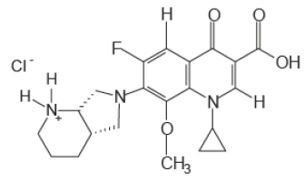 Moxifloxacin Ophthalmic Solution🏭 Redpharm Drug
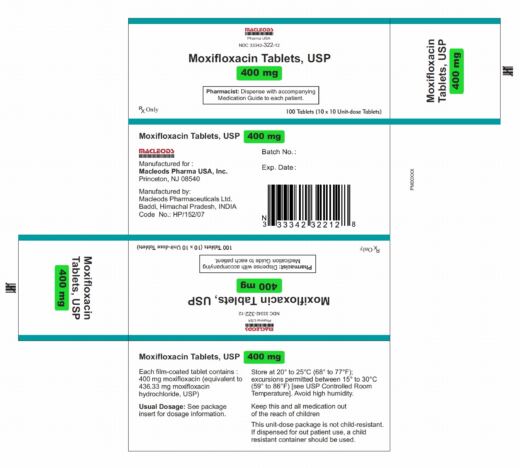 Moxifloxacin🏭 Macleods Pharmaceuticals Limited
 Moxifloxacin🏭 Camber Pharmaceuticals, Inc.
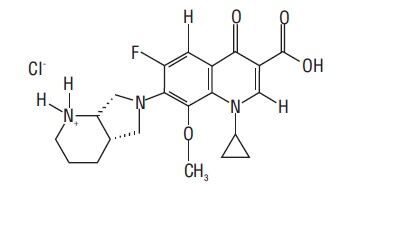 Moxifloxacin🏭 Redpharm Drug
✅ What it is used for
- Community Acquired Pneumonia
- Uncomplicated Skin and Skin Structure Infections
- Complicated Skin and Skin Structure Infections
- Complicated Intra-Abdominal Infections
- Plague
- Acute Bacterial Sinusitis
- Acute Bacterial Exacerbation of Chronic Bronchitis
🧪 Active ingredient
The active ingredient is moxifloxacin, a fluoroquinolone antibacterial agent.
🌿 Benefits
- Treats designated susceptible bacterial infections in adults
- Helps reduce the development of drug-resistant bacteria when used appropriately
📝 How to use
- Take orally once every 24 hours
- Can be taken with or without food; drink fluids liberally
- Administer at least 4 hours before or 8 hours after products containing magnesium, aluminum, iron or zinc, including antacids, sucralfate, multivitamins and didanosine buffered tablets for oral suspension or the pediatric powder for oral solution
💊 Dosage forms
- Tablets: 400 mg moxifloxacin
⚠️ Common side effects
- Nausea
- Diarrhea
- Headache
- Dizziness
🚨 Serious — seek medical help
- Tendinitis and tendon rupture
- Peripheral neuropathy
- Central nervous system effects including hallucinations, anxiety, depression, insomnia, severe headaches, and confusion
- Exacerbation of myasthenia gravis
- QT prolongation
- Hypersensitivity reactions
- Clostridioides difficile-associated diarrhea
- Blood glucose disturbances
- Photosensitivity/phototoxicity
- Aortic aneurysm and dissection
⛔ Do not use if
- History of hypersensitivity to moxifloxacin or any member of the quinolone class of antibacterials
❗ Warnings & precautions
- Discontinue moxifloxacin immediately at the first signs or symptoms of any serious adverse reaction
- Avoid use in patients who have experienced any of these serious adverse reactions associated with fluoroquinolones
- Avoid in patients with known history of myasthenia gravis
- Reserve for use in patients who have no alternative treatment options for acute bacterial sinusitis and acute bacterial exacerbation of chronic bronchitis
- Avoid use in patients with known prolongation of the QT interval, proarrhythmic conditions such as clinically significant bradycardia or acute myocardial ischemia, hypokalemia, hypomagnesemia, and with drugs that prolong the QT interval
- Discontinue at first sign of skin rash, jaundice or any other sign of hypersensitivity
🔄 Drug interactions
- Antacids, sucralfate, multivitamins: decreased moxifloxacin absorption; take moxifloxacin at least 4 hours before or 8 hours after these products
- Warfarin: anticoagulant effect enhanced; monitor prothrombin time/INR and bleeding
- Class IA and Class III antiarrhythmics: proarrhythmic effect may be enhanced; avoid concomitant use
- Antidiabetic agents: carefully monitor blood glucose
🤰 Pregnancy
There are no available human data establishing a drug-associated risk with the use of moxifloxacin. Based on animal studies with moxifloxacin, moxifloxacin may cause fetal harm. Advise pregnant women of the potential risk to the fetus.
🧒 Children
Effectiveness in pediatric patients and adolescents less than 18 years of age has not been established. Moxifloxacin causes arthropathy in juvenile animals.
👴 Older adults
Geriatric patients are at increased risk for developing severe tendon disorders including tendon rupture when being treated with a fluoroquinolone such as moxifloxacin. This risk is further increased in patients receiving concomitant corticosteroid therapy. Caution should be used when prescribing moxifloxacin to elderly patients especially those on corticosteroids. Elderly patients may be more susceptible to drug-associated effects of the QT interval.
🌡️ Storage
Store at 20° to 25°C (68° to 77°F). Avoid high humidity.
⏰ Missed dose
If a dose is missed, it should be taken anytime but not later than 8 hours prior to the next scheduled dose. If less than 8 hours remain before the next dose, the missed dose should not be taken and treatment should be continued as prescribed with the next scheduled dose. Double doses should not be taken to compensate for a missed dose.
🆘 Overdose
Single oral overdoses up to 2.8 g were not associated with any serious adverse events. In the event of acute overdose, empty the stomach and maintain adequate hydration. Monitor ECG due to the possibility of QT interval prolongation. Carefully observe the patient and give supportive treatment. The administration of activated charcoal as soon as possible after oral overdose may prevent excessive increase of systemic moxifloxacin exposure.
💰 Price & brands in your area
🏛️ Official price in Palestine — Ministry of Health price list:
| Product | Company | Pack | Price |
|---|---|---|---|
| BASILOX 400 mg Tab MOXIFLOXACIN HCL | BPC | 5 Tab | 36 ₪ |
| MOXIFLOX 400 MG TABLETS (7 TAB) Moxifloxacin HCl | Pharmacare Company | 7 TAB/ Box | 53 ₪ |
📍 Find the nearest pharmacy
Your location is used only in your browser to show nearby pharmacies — we don't store it.
Open in Google Maps👨⚕️ For healthcare professionals
Mechanism of action
Moxifloxacin is a member of the fluoroquinolone class of antibacterial agents.
Labeled dosing
The dose in adult patients is 400 mg orally once every 24 hours. The duration of therapy depends on the type of infection: Community Acquired Pneumonia 7-14 days; Uncomplicated Skin and Skin Structure Infections 7 days; Complicated Skin and Skin Structure Infections 7-21 days; Complicated Intra-Abdominal Infections 5-14 days; Plague 10-14 days; Acute Bacterial Sinusitis 10 days; Acute Bacterial Exacerbation of Chronic Bronchitis 5 days. No dosage adjustment in patients with renal or hepatic impairment.
- No dosage adjustment is necessary when switching from intravenous to oral formulation
- Sequential therapy (oral) may be instituted at the discretion of the physician
- Drug administration should begin as soon as possible after suspected or confirmed exposure to Yersinia pestis
🎓 Key points for students
- Moxifloxacin is a fluoroquinolone antibacterial
- The adult dose is 400 mg once every 24 hours
- No dosage adjustment in renal or hepatic impairment
- Take at least 4 hours before or 8 hours after products containing multivalent cations
EME runs your whole clinic: appointments with WhatsApp reminders, patient files, finance & inventory, a patient portal and a members-price medical store — with your data isolated and protected.
Try EME free How we protect your data❓ FAQ
What is moxifloxacin?
It is a fluoroquinolone antibacterial indicated for treating infections in adults 18 years of age and older caused by designated susceptible bacteria.
How should I take moxifloxacin?
Take it orally once every 24 hours. It can be taken with or without food; drink fluids liberally. Administer at least 4 hours before or 8 hours after products containing magnesium, aluminum, iron or zinc.
What should I do if I miss a dose?
If a dose is missed, it should be taken anytime but not later than 8 hours prior to the next scheduled dose. If less than 8 hours remain before the next dose, the missed dose should not be taken and treatment should be continued as prescribed with the next scheduled dose. Double doses should not be taken to compensate for a missed dose.
What are the common side effects?
The most common reactions (3% or greater) were nausea, diarrhea, headache, and dizziness.
Can it be used during pregnancy?
There are no available human data establishing a drug-associated risk with the use of moxifloxacin. Based on animal studies with moxifloxacin, moxifloxacin may cause fetal harm. Advise pregnant women of the potential risk to the fetus.
Can it be used in children?
Effectiveness in pediatric patients and adolescents less than 18 years of age has not been established. Moxifloxacin causes arthropathy in juvenile animals.
⚕️ For education only — not a substitute for advice from your doctor or pharmacist. Do not start or stop any medicine without advice. Source: official FDA drug label via openFDA (2025-10), simplified. Updated: 2026-11-16.