
💊 Mesalamine (Mesalamine)
Mesalamine is an anti-inflammatory medicine used to treat mildly to moderately active ulcerative colitis in adults and in pediatric patients weighing at least 24 kg. It acts topically on colonic epithelial cells to reduce inflammation. It is prescription-only; the dose is set by the doctor or pharmacist.
In Arabic: ميسالامين
🏷️ Brand names & manufacturers
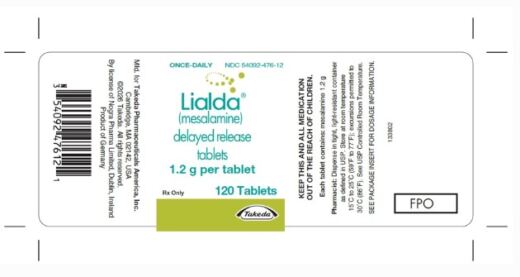 Lialda🏭 Takeda Pharmaceuticals America, Inc.DailyMed
 Apriso🏭 Salix Pharmaceuticals, Inc.DailyMed
 Canasa🏭 Allergan, Inc.DailyMed
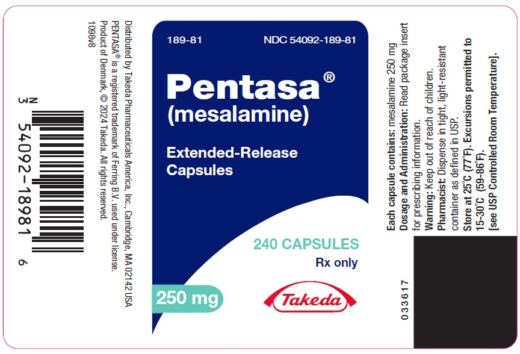 Pentasa🏭 Takeda Pharmaceuticals America, Inc.DailyMed
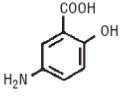 Rowasa🏭 Viatris Specialty LLCDailyMed
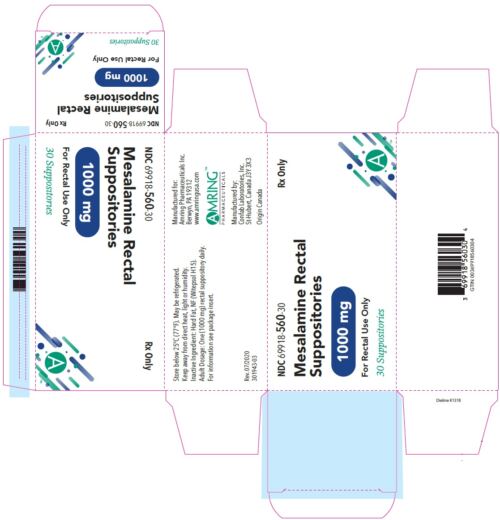 Mesalamine Rectal🏭 Amring Pharmaceuticals Inc.DailyMed
✅ What it is used for
- Induction and maintenance of remission in adult patients with mildly to moderately active ulcerative colitis
- Treatment of mildly to moderately active ulcerative colitis in pediatric patients weighing at least 24 kg
🧪 Active ingredient
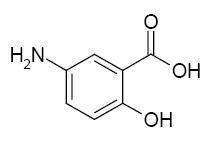
The active ingredient is mesalamine (5-aminosalicylic acid), an anti-inflammatory agent. The mechanism of action is not fully understood, but it appears to have a topical anti-inflammatory effect on colonic epithelial cells, possibly by blocking cyclooxygenase and inhibiting prostaglandin production in the colon.
🌿 Benefits
- Helps induce and maintain remission in mildly to moderately active ulcerative colitis
- Available as a once-daily tablet
- Available for adults and children weighing at least 24 kg
📝 How to use
- Swallow tablets whole; do not split or crush
- Take with food
- Drink an adequate amount of fluids
- Evaluate renal function before starting and periodically during therapy
💊 Dosage forms
- Delayed-release tablets 1.2 g
⚠️ Common side effects
- Headache
- Flatulence
- Liver function test abnormal
- Abdominal pain
- Diarrhea
- (Pediatric ≥5%): abdominal pain, upper respiratory tract infection, vomiting, anemia, headache, viral infection
🚨 Serious — seek medical help
- Renal impairment including renal failure
- Mesalamine-induced acute intolerance syndrome
- Hypersensitivity reactions, including myocarditis and pericarditis
- Hepatic failure
- Severe cutaneous adverse reactions
- Upper gastrointestinal tract obstruction
- Photosensitivity
- Nephrolithiasis
⛔ Do not use if
- Known or suspected hypersensitivity to salicylates, aminosalicylates, or any ingredient of the tablets
❗ Warnings & precautions
- Assess renal function at the beginning and periodically; discontinue if renal function deteriorates
- Monitor for worsening symptoms; discontinue if acute intolerance syndrome is suspected
- Discontinue immediately if a hypersensitivity reaction is suspected
- Evaluate risks and benefits in patients with known liver impairment
- Discontinue at first signs or symptoms of severe cutaneous adverse reactions
- Avoid in patients with pyloric stenosis or other organic or functional obstruction
- Advise patients with pre-existing skin conditions to avoid sun exposure, wear protective clothing, and use broad-spectrum sunscreen
- Ensure adequate hydration due to risk of nephrolithiasis
- May cause spuriously elevated urinary normetanephrine results by liquid chromatography with electrochemical detection
🔄 Drug interactions
- Nephrotoxic agents including NSAIDs: increased risk of nephrotoxicity; monitor renal function
- Azathioprine or 6-mercaptopurine: increased risk of blood dyscrasias; monitor complete blood cell and platelet counts
- Interference with urinary normetanephrine measurements; consider an alternative selective assay
🤰 Pregnancy
Published data from meta-analyses, cohort studies, and case series have not reliably informed an association between mesalamine and major birth defects, miscarriage, or adverse maternal or fetal outcomes. In animal reproduction studies, there were no adverse developmental outcomes with oral mesalamine during organogenesis in rats and rabbits at doses 1.8 and 2.9 times, respectively, the maximum recommended human dose. Increased disease activity is associated with adverse pregnancy outcomes in women with ulcerative colitis.
🧒 Children
Safety and effectiveness of mesalamine have been established for treatment of mildly to moderately active ulcerative colitis in pediatric patients weighing at least 24 kg. Safety and effectiveness of the delayed-release tablets have not been established in patients weighing less than 24 kg.
👴 Older adults
Clinical trials did not include sufficient numbers of patients aged 65 and over to determine whether they respond differently. Reports suggest a higher incidence of blood dyscrasias (agranulocytosis, neutropenia, pancytopenia) in patients 65 years or older. Monitor complete blood cell and platelet counts in elderly patients. Systemic exposures are increased in elderly subjects. Consider starting at the low end of the dosing range for induction in elderly patients.
🌡️ Storage
Store at 20°C to 25°C (68°F to 77°F) [USP Controlled Room Temperature]. Dispense in a tight, light-resistant container. Warning: the unit dose package is not child resistant and is intended for institutional use only. Keep out of the reach of children.
🆘 Overdose
Mesalamine is an aminosalicylate; symptoms of salicylate toxicity may include nausea, vomiting, abdominal pain, tachypnea, hyperpnea, tinnitus, and neurologic symptoms (headache, dizziness, confusion, seizures). Severe intoxication may lead to electrolyte and blood pH imbalance and potentially end organ (renal and liver) damage. There is no specific known antidote; conventional therapy for salicylate toxicity may be beneficial and may include gastrointestinal decontamination. Correct fluid and electrolyte imbalance with intravenous therapy and maintain adequate renal function.
💰 Price & brands in your area
Local prices are currently available for Palestine; more countries are coming. Ask your pharmacist for local price and alternatives.
📍 Find the nearest pharmacy
Your location is used only in your browser to show nearby pharmacies — we don't store it.
Open in Google Maps👨⚕️ For healthcare professionals
Mechanism of action
The mechanism of action is not fully understood, but mesalamine appears to have a topical anti-inflammatory effect on colonic epithelial cells. Mucosal production of arachidonic acid metabolites through the cyclooxygenase and lipoxygenase pathways is increased in ulcerative colitis, and mesalamine may diminish inflammation by blocking cyclooxygenase and inhibiting prostaglandin production in the colon.
Labeled dosing
The dose is set by the doctor or pharmacist. Adults: induction 2.4 g to 4.8 g (two to four 1.2-g tablets) once daily; maintenance 2.4 g (two 1.2-g tablets) once daily. Pediatric patients weighing at least 24 kg: 24-35 kg: 2.4 g Week 0-8 then 1.2 g after Week 8; >35-50 kg: 3.6 g then 2.4 g; >50 kg: 4.8 g then 2.4 g. Swallow whole with food and adequate fluids.
- Evaluate renal function before initiation and periodically during therapy
- Discontinue if renal function deteriorates
- Monitor for worsening symptoms for possible acute intolerance syndrome
- Evaluate risks and benefits in patients with hepatic or renal impairment or taking nephrotoxic drugs
- Avoid in pyloric stenosis or other organic or functional obstruction
- Ensure adequate hydration due to nephrolithiasis risk
- May interfere with urinary normetanephrine measurements
🎓 Key points for students
- Mesalamine is an aminosalicylate used in mildly to moderately active ulcerative colitis
- It acts topically on colonic epithelial cells
- Delayed-release 1.2-g tablets are swallowed whole with food
- Adult dosing: induction 2.4-4.8 g once daily; maintenance 2.4 g once daily
- Monitor renal function and blood dyscrasias, especially in the elderly
EME runs your whole clinic: appointments with WhatsApp reminders, patient files, finance & inventory, a patient portal and a members-price medical store — with your data isolated and protected.
Try EME free How we protect your data❓ FAQ
What is mesalamine and what does it treat?
Mesalamine is an anti-inflammatory medicine of the aminosalicylate class used for induction and maintenance of remission in mildly to moderately active ulcerative colitis in adults and for treatment in pediatric patients weighing at least 24 kg.
How do I take the tablets?
Swallow the tablet whole without splitting or crushing, take with food, and drink an adequate amount of fluids. The dose is set by the doctor or pharmacist.
What are the common side effects?
In adults: headache, flatulence, liver function test abnormal, abdominal pain, diarrhea. In pediatric patients: abdominal pain, upper respiratory tract infection, vomiting, anemia, headache, viral infection.
Are there important warnings?
Yes. Renal function should be assessed before starting and periodically, worsening symptoms should be monitored, and the drug should be stopped if a hypersensitivity reaction or severe cutaneous reaction is suspected. Avoid in upper gastrointestinal obstruction and ensure adequate hydration.
Can it be used during pregnancy?
Published data have not reliably informed an association between mesalamine and major birth defects, miscarriage, or adverse maternal or fetal outcomes. Always consult your doctor.
What should I do in case of overdose?
Symptoms of salicylate toxicity may include nausea, vomiting, abdominal pain, tachypnea, tinnitus, and neurologic symptoms. There is no specific known antidote; seek medical care immediately.
⚕️ For education only — not a substitute for advice from your doctor or pharmacist. Do not start or stop any medicine without advice. Source: official FDA drug label via openFDA (2026-07), simplified. Updated: 2026-11-16.