
💊 Insulin lispro (Humalog, Humalog Kwikpen, Humalog Junior Kwikpen)
Insulin lispro (Humalog) is a rapid-acting human insulin analog used to improve blood sugar control in adults and children with diabetes mellitus. It is given by subcutaneous injection, and in specific cases by intravenous infusion under medical supervision only. Your doctor or pharmacist sets the right dose for you.
In Arabic: إنسولين ليسبرو🏷️ Brand names & manufacturers
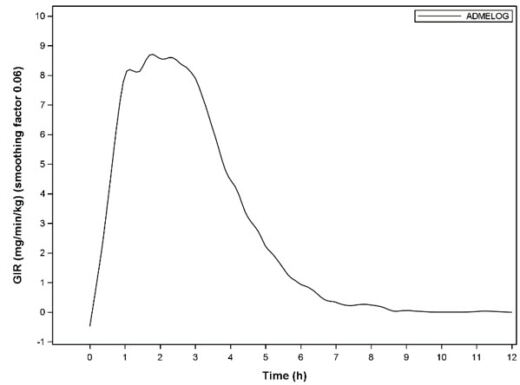 Admelog🏭 Sanofi-Aventis U.S. LLCDailyMed
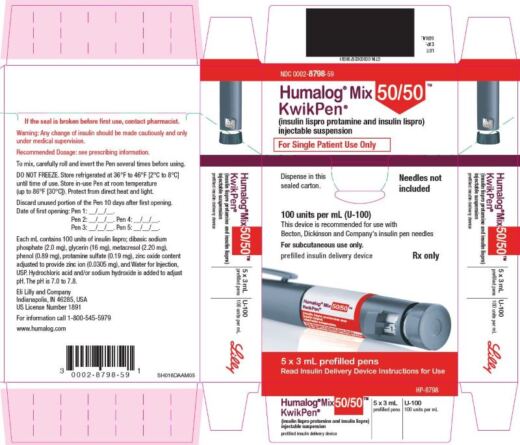 Humalog Mix50/50 Kwikpen🏭 Eli Lilly and CompanyDailyMed
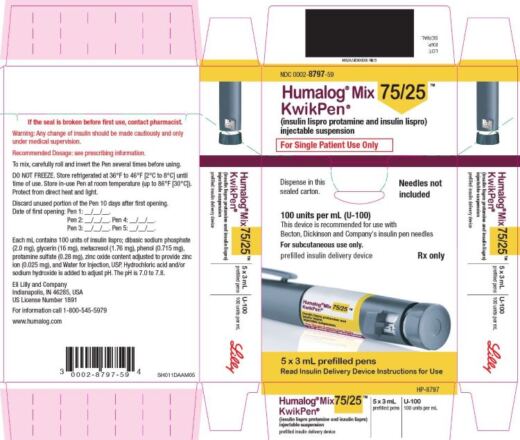 Humalog Mix75/25🏭 Eli Lilly and CompanyDailyMed
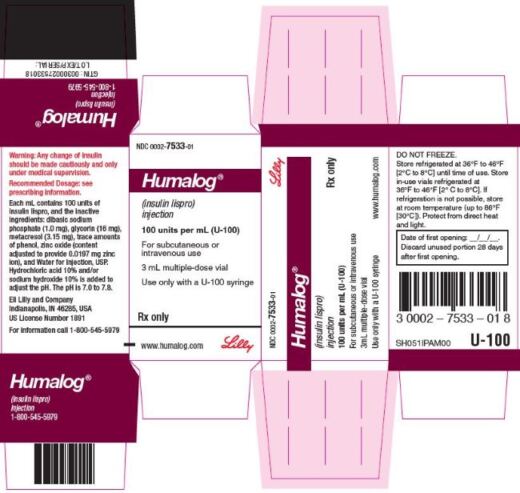 Humalog🏭 Eli Lilly and CompanyDailyMed
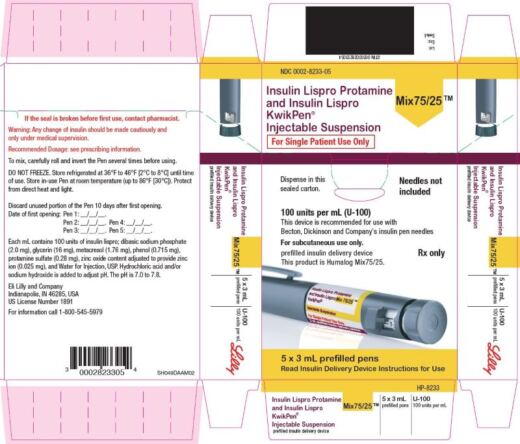 Insulin Lispro Protamine And Insulin Lispro Injectable Suspension Mix75/25 Kwikpen🏭 Eli Lilly and CompanyDailyMed
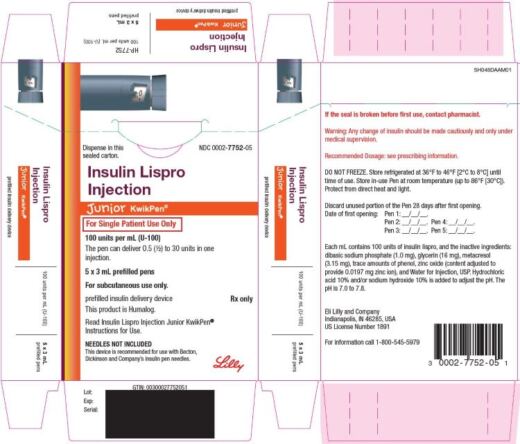 Insulin Lispro🏭 Eli Lilly and CompanyDailyMed
✅ What it is used for
- To improve glycemic control in adult and pediatric patients with diabetes mellitus
🧪 Active ingredient
Insulin lispro is a rapid-acting human insulin analog made by recombinant DNA technology. It regulates glucose metabolism by lowering blood glucose, stimulating glucose uptake by skeletal muscle and fat and inhibiting glucose production by the liver.
🌿 Benefits
- Faster onset and shorter duration of action than regular human insulin when given subcutaneously
- One unit has the same glucose-lowering effect as one unit of regular human insulin
📝 How to use
- Given by subcutaneous injection into the abdominal wall, thigh, upper arm, or buttocks within 15 minutes before a meal or immediately after a meal
- Rotate the injection site within the same region from one injection to the next to reduce the risk of lipodystrophy and localized cutaneous amyloidosis
- May be given by continuous subcutaneous infusion with an insulin pump, following the pump manufacturer's instructions (U-100 only)
- Intravenous infusion is given only after dilution and under medical supervision (U-100 only)
- When given by subcutaneous injection it is generally used in regimens with an intermediate- or long-acting insulin
- The dose is set by your doctor based on your needs and blood glucose results; do not change it yourself
- Inspect before use: it should be clear and colorless; do not use if particles or discoloration are seen
- Do not mix U-200 with any other insulin and do not transfer it from the pen to a syringe
- Always check the insulin label before each injection
💊 Dosage forms
- Injection 100 units/mL (U-100): 10 mL or 3 mL multiple-dose vial
- 3 mL single-patient-use prefilled pens: KwikPen, Tempo Pen, Junior KwikPen
- 3 mL single-patient-use cartridges
- Injection 200 units/mL (U-200): 3 mL single-patient-use KwikPen prefilled pen
⚠️ Common side effects
- Hypoglycemia (the most commonly observed adverse reaction)
- Allergic reactions
- Injection site reactions
- Itching and rash
- Weight gain
- Peripheral edema and sodium retention
- Common events in trials: flu syndrome, pharyngitis, rhinitis, headache
🚨 Serious — seek medical help
- Severe hypoglycemia, which may be life-threatening
- Hypersensitivity reactions, which may be life-threatening
- Hypokalemia, which may be life-threatening
- Heart failure when used with thiazolidinediones (TZDs)
- Hyperglycemia and ketoacidosis due to insulin pump malfunction
- Lipodystrophy (lipohypertrophy or lipoatrophy) at repeated injection sites
- Localized cutaneous amyloidosis
- Transitory refraction disorder, worsening diabetic retinopathy, and acute painful peripheral neuropathy with rapid improvement in glucose control
⛔ Do not use if
- During episodes of hypoglycemia
- Hypersensitivity to insulin lispro or to any of the excipients
❗ Warnings & precautions
- Never share a prefilled pen, cartridge, reusable pen, or syringe between patients, even if the needle is changed, because of the risk of transmitting blood-borne pathogens
- Changes in insulin regimen (strength, manufacturer, type, injection site, or method) should be made under close medical supervision with more frequent glucose monitoring
- Monitor blood glucose more often with changes in dose, other medicines, meals, or activity, in renal or hepatic impairment, and in hypoglycemia unawareness
- Medication errors: insulin products can be mixed up, so check the label before every injection
- Transferring U-200 from the pen to a syringe can cause overdose and severe hypoglycemia
- Use pens with caution in patients with visual impairment who rely on audible clicks to dial the dose
- Observe for signs of heart failure when used with thiazolidinediones
- Monitor potassium in patients at risk of hypokalemia
- If an insulin pump malfunctions, monitor glucose and give U-100 by subcutaneous injection
- Do not inject into areas of lipodystrophy or localized cutaneous amyloidosis
🔄 Drug interactions
- May increase hypoglycemia risk: other antidiabetic agents, ACE inhibitors, angiotensin II receptor blockers, disopyramide, fibrates, fluoxetine, MAO inhibitors, pentoxifylline, pramlintide, salicylates, somatostatin analogs (e.g., octreotide), sulfonamide antibiotics
- May decrease the glucose-lowering effect: atypical antipsychotics (e.g., olanzapine, clozapine), corticosteroids, danazol, diuretics, estrogens, glucagon, isoniazid, niacin, oral contraceptives, phenothiazines, progestogens, protease inhibitors, somatropin, sympathomimetics (e.g., albuterol, epinephrine, terbutaline), thyroid hormones
- May increase or decrease the effect: alcohol, beta-blockers, clonidine, lithium salts; pentamidine may cause hypoglycemia sometimes followed by hyperglycemia
- May blunt signs of hypoglycemia: beta-blockers, clonidine, guanethidine, reserpine
- Dose adjustment and increased glucose monitoring may be required with these drugs; your doctor decides
🤰 Pregnancy
Published studies have not reported an association between insulin lispro used during pregnancy and major birth defects, miscarriage, or adverse maternal or fetal outcomes, although these studies have methodological limitations. Poorly controlled diabetes in pregnancy increases risks to the mother (ketoacidosis, pre-eclampsia, spontaneous abortion, preterm delivery, delivery complications) and to the fetus (major birth defects, stillbirth, macrosomia-related morbidity). Talk to your doctor before use during pregnancy.
🍼 Breastfeeding
The label text provided does not contain breastfeeding information; consult your doctor.
🧒 Children
Safety and effectiveness of Humalog to improve glycemic control have been established in pediatric patients with diabetes mellitus, supported by studies in 831 pediatric patients with type 1 diabetes aged 3 years and older. The doctor determines the dose.
👴 Older adults
Of 2,834 patients in eight clinical studies, 12% (338) were 65 years or older, most with type 2 diabetes. HbA1c values and hypoglycemia rates did not differ by age. Pharmacokinetic/pharmacodynamic studies of the effect of age on onset of action have not been performed.
🌡️ Storage
Keep in the original sealed carton, protected from direct heat and light. Do not freeze and do not use if it has been frozen. Unopened: refrigerated (36–46°F / 2–8°C) until the expiration date, or at room temperature (up to 86°F / 30°C) for 28 days. After opening: vials may be kept refrigerated or at room temperature for 28 days; cartridges and pens (KwikPen, Tempo Pen, Junior KwikPen) are kept at room temperature only (do not refrigerate) for 28 days. When stored at room temperature, total use is limited to 28 days including unopened and opened time. In an insulin pump, change the insulin in the reservoir at least every 7 days, per the pump manual, or after exposure to temperatures above 98.6°F (37°C).
⏰ Missed dose
The label text provided does not include instructions for a missed dose. The medicine is usually given within 15 minutes before a meal or immediately after; ask your doctor or pharmacist what to do.
🆘 Overdose
Excess insulin may cause hypoglycemia and hypokalemia. Mild episodes can usually be treated with oral glucose. More severe episodes with coma, seizure, or neurologic impairment may be treated with an emergency glucagon product or concentrated intravenous glucose. Sustained carbohydrate intake and observation may be needed because hypoglycemia may recur. Hypokalemia must be corrected. Seek medical help immediately.
💰 Price & brands in your area
Local prices are currently available for Palestine; more countries are coming. Ask your pharmacist for local price and alternatives.
📍 Find the nearest pharmacy
Your location is used only in your browser to show nearby pharmacies — we don't store it.
Open in Google Maps👨⚕️ For healthcare professionals
Mechanism of action
Insulins and insulin analogs, including insulin lispro, regulate glucose metabolism: they lower blood glucose by stimulating peripheral glucose uptake by skeletal muscle and fat and inhibiting hepatic glucose production, inhibit lipolysis and proteolysis, and enhance protein synthesis. Humalog is equipotent to human insulin on a molar basis, with more rapid onset and shorter duration when given subcutaneously. It differs from human insulin by Lys at B28 and Pro at B29 (Lys(B28), Pro(B29) human insulin analog).
Labeled dosing
Per the label: dosage is individualized based on route of administration, metabolic needs, blood glucose monitoring results, and glycemic control goal. Subcutaneous injection within 15 minutes before a meal or immediately after (generally used with an intermediate- or long-acting insulin); continuous subcutaneous infusion by pump (U-100 only); or intravenous infusion after dilution and under medical supervision (U-100 only). The dose is set by the doctor or pharmacist. No dose conversion is performed with U-100 or U-200 prefilled pens, as the dose window shows the units delivered. KwikPen, Tempo Pen, and U-200 KwikPen dial in 1-unit increments to a maximum of 60 units per injection; Junior KwikPen dials in 0.5-unit increments.
- Contraindicated during hypoglycemia and in hypersensitivity to insulin lispro or excipients
- Increase glucose monitoring with regimen changes, concomitant drugs, changes in meals or activity, renal/hepatic impairment, and hypoglycemia unawareness
- Monitor potassium in at-risk patients and observe for heart failure with TZDs
- Do not mix U-100 with other insulins in a pump; do not give U-200 by pump or intravenously
- Rotate injection and infusion sites to avoid lipodystrophy and localized cutaneous amyloidosis; do not inject into affected areas
- Rapid improvement in glucose control may cause transitory refraction disorder, worsening retinopathy, and painful neuropathy
- Special storage applies to diluted and IV preparations (diluted subcutaneous: 28 days refrigerated or 14 days at room temperature; prepared IV bags: 48 hours refrigerated)
- Do not dilute insulin in cartridges or insulin used in an external pump
🎓 Key points for students
- Insulin lispro: rapid-acting analog (Lys B28, Pro B29) produced by recombinant DNA technology in E. coli
- Mechanism: stimulates glucose uptake in muscle and fat, inhibits hepatic glucose production, inhibits lipolysis and proteolysis
- Most common adverse effect: hypoglycemia; others include weight gain, edema, lipodystrophy
- Serious risks: hypersensitivity, hypokalemia, heart failure with TZDs
- Interactions increasing hypoglycemia: antidiabetics, ACE inhibitors, fibrates, salicylates, etc.
- Interactions reducing effect: corticosteroids, diuretics, oral contraceptives, atypical antipsychotics, etc.
- Beta-blockers and clonidine can mask hypoglycemia symptoms
- Overdose management: oral glucose for mild, glucagon or IV glucose for severe, correct potassium
EME runs your whole clinic: appointments with WhatsApp reminders, patient files, finance & inventory, a patient portal and a members-price medical store — with your data isolated and protected.
Try EME free How we protect your data❓ FAQ
What is Humalog and what is it used for?
Humalog (insulin lispro) is a rapid-acting insulin analog used to improve blood sugar control in adults and children with diabetes mellitus.
When should I inject it relative to a meal?
It is generally injected within 15 minutes before a meal or immediately after a meal. Your doctor or pharmacist sets your dose.
Can I share my pen with someone else?
No. Never share pens, cartridges, or syringes between patients, even if the needle is changed, because of the risk of transmitting blood-borne infections.
What are the main side effects?
The most common is low blood sugar (hypoglycemia). Others include allergic reactions, injection site reactions, itching, rash, weight gain, and swelling. Contact your doctor right away for severe symptoms.
How should I store it?
Protect from heat and light and do not freeze. Unopened, keep refrigerated; once opened or kept at room temperature, use within 28 days. Opened pens and cartridges are kept at room temperature only.
What should I do if my blood sugar drops too low?
Mild episodes are usually treated with oral glucose. Severe episodes need emergency glucagon or intravenous glucose and immediate medical care.
⚕️ For education only — not a substitute for advice from your doctor or pharmacist. Do not start or stop any medicine without advice. Source: official FDA drug label via openFDA (2026-06), simplified. Updated: 2026-11-16.