
💊 Hydroxychloroquine (Hydroxychloroquine Sulfate)
Hydroxychloroquine is an oral medicine used to treat and, in certain regions, prevent uncomplicated malaria, and to treat rheumatoid arthritis, systemic lupus erythematosus, and chronic discoid lupus erythematosus in adults. It should be used under medical supervision with regular monitoring, especially eye (retinal) examinations.
In Arabic: هيدروكسي كلوروكين
🏷️ Brand names & manufacturers
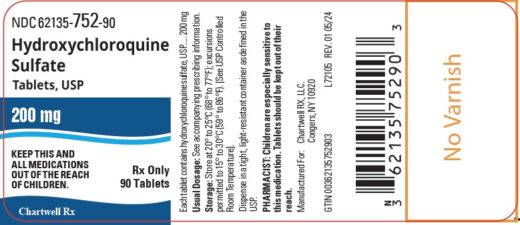 Hydroxychloroquine🏭 Chartwell RX, LLCDailyMed
✅ What it is used for
- Treatment of uncomplicated malaria due to P. falciparum, P. malariae, P. ovale, and P. vivax in adults and children
- Prophylaxis of malaria in areas where chloroquine resistance is not reported, in adults and children
- Treatment of rheumatoid arthritis in adults
- Treatment of systemic lupus erythematosus in adults
- Treatment of chronic discoid lupus erythematosus in adults
- Not recommended for complicated malaria, chloroquine- or hydroxychloroquine-resistant strains, or prevention of P. vivax/P. ovale relapse (inactive against liver hypnozoites)
🧪 Active ingredient
The active ingredient is hydroxychloroquine sulfate, a 4-aminoquinoline antimalarial and antirheumatic agent. The mechanisms behind its anti-inflammatory and immunomodulatory effects in rheumatoid arthritis and lupus are not fully known.
🌿 Benefits
- Treats and helps prevent uncomplicated malaria in appropriate regions
- Helps control rheumatoid arthritis
- Treats systemic lupus erythematosus and chronic discoid lupus erythematosus
📝 How to use
- Take by mouth with food or milk
- Do not crush or divide the tablets
- The dose is set by your doctor or pharmacist based on the condition and body weight; do not adjust it yourself
- For malaria prevention: start 2 weeks before travel, take on the same day each week, continue while in the endemic area and for 4 weeks after leaving
- In rheumatic conditions, it may take weeks to months to reach maximum effect
💊 Dosage forms
- Film-coated tablets 100 mg
- Film-coated tablets 200 mg
- Film-coated tablets 300 mg
- Film-coated tablets 400 mg
⚠️ Common side effects
- Nausea
- Vomiting
- Diarrhea
- Abdominal pain
- Fatigue
- Headache and dizziness
- Loss of appetite
- Rash and itching
🚨 Serious — seek medical help
- Cardiomyopathy, ventricular arrhythmias, and QT prolongation (can be fatal or life-threatening)
- Irreversible retinal damage related to cumulative dose and duration of treatment
- Serious skin reactions such as Stevens-Johnson syndrome, toxic epidermal necrolysis, DRESS, and AGEP
- Severe hypoglycemia
- Bone marrow suppression, anemia, leukopenia, thrombocytopenia
- Skeletal muscle myopathy or neuropathy
- Neuropsychiatric reactions including suicidal ideation or behavior
- Abnormal liver tests or fulminant hepatic failure
- Seizures
- Tinnitus, vertigo, or hearing loss
⛔ Do not use if
- Known hypersensitivity to 4-aminoquinoline compounds
❗ Warnings & precautions
- A baseline retinal exam and exams during treatment are recommended; daily doses above 5 mg/kg of actual body weight increase the risk of retinopathy
- Avoid in patients with psoriasis (may worsen) and in porphyria
- Stop and seek medical help for severe rash or skin peeling
- May increase the risk of low blood sugar, especially with insulin or antidiabetic drugs, whose doses may need reduction
- Discontinue if myelosuppression occurs
- Caution in G6PD deficiency (risk of hemolytic anemia)
- Report mood changes or suicidal thoughts to your doctor
- Discontinue if renal toxicity is suspected
- Not recommended in patients taking other QT-prolonging drugs
🔄 Drug interactions
- QT-prolonging or other arrhythmogenic drugs: combination not recommended
- Insulin and antidiabetic drugs: increased risk of hypoglycemia; dose reduction may be needed
- Drugs that lower the seizure threshold (e.g., mefloquine): may increase seizure risk
- Antiepileptics: activity may be impaired
- Methotrexate: may increase adverse reactions
- Cyclosporine: levels may rise; monitor closely
- Digoxin: levels may rise; monitor closely
- Cimetidine: avoid concomitant use
🤰 Pregnancy
Decades of clinical experience and published studies have not identified a drug-associated risk of major birth defects, miscarriage, or adverse maternal or fetal outcomes. However, untreated or more active malaria, rheumatoid arthritis, or lupus in pregnancy carries risks for mother and fetus. Consult your doctor before use. A pregnancy exposure registry exists (1-877-311-8972).
🍼 Breastfeeding
The label text provided does not address breastfeeding. Consult your doctor or pharmacist before using this medicine while breastfeeding.
🧒 Children
Safety and effectiveness are established in children only for treatment and prophylaxis of malaria. It cannot be given directly to children under 31 kg because the film-coated tablets cannot be crushed or divided. Safety and effectiveness have not been established in children for rheumatoid arthritis or lupus.
👴 Older adults
Clinical trials did not include enough patients aged 65 and older to determine differences in response. The drug is substantially excreted by the kidney, so toxicity risk may be greater with impaired renal function. Dose selection should generally start at the lowest recommended dose, considering reduced hepatic, renal, or cardiac function and concomitant disease or drugs.
🌡️ Storage
Store in a tight, light-resistant container at room temperature (20° to 25°C / 68° to 77°F).
⏰ Missed dose
Instructions for a missed dose are not given in the label text provided. Ask your doctor or pharmacist. For malaria prophylaxis, the dose is taken on the same day each week.
🆘 Overdose
Symptoms begin within 1 to 3 hours and may include serious cardiac toxicity, life-threatening low blood pressure, severe hypokalemia, CNS depression, seizures, visual disturbances, and coma. Seek emergency medical care immediately or contact a poison center (US: 1-800-221-2222).
💰 Price & brands in your area
Local prices are currently available for Palestine; more countries are coming. Ask your pharmacist for local price and alternatives.
📍 Find the nearest pharmacy
Your location is used only in your browser to show nearby pharmacies — we don't store it.
Open in Google Maps👨⚕️ For healthcare professionals
Mechanism of action
A 4-aminoquinoline antimalarial and antirheumatic agent. The mechanisms underlying anti-inflammatory and immunomodulatory effects in RA, SLE, and chronic DLE are not fully known. Mean absolute oral bioavailability is 79% (fasting); whole-blood Tmax is about 3.3 hours after a 200 mg dose; extensively distributed to tissues.
Labeled dosing
General adult dosing per label: malaria prophylaxis 400 mg once weekly; uncomplicated malaria treatment 800 mg initially, then 400 mg at 6, 24, and 48 hours (total 2000 mg); rheumatoid arthritis initial 400 to 600 mg daily, chronic 200 to 400 mg daily; SLE and chronic DLE 200 mg once daily or 400 mg once daily (or in two divided doses). The final dose is determined by the doctor or pharmacist.
- Pediatric patients ≥ 31 kg: prophylaxis 6.5 mg/kg (up to 400 mg) weekly; malaria treatment 13 mg/kg (up to 800 mg) initially, then 6.5 mg/kg (up to 400 mg) at 6, 24, and 48 hours
- Radical cure of P. vivax and P. ovale requires concomitant 8-aminoquinoline therapy
- Daily doses above 5 mg/kg actual weight increase the incidence of retinopathy
- Baseline retinal exam and exams during treatment are recommended
- Corticosteroids, salicylates, and other antirheumatic agents may be used concomitantly
- In cardiotoxicity, endomyocardial biopsy has shown phospholipidosis without inflammation, infiltration, or necrosis
🎓 Key points for students
- Class: 4-aminoquinoline (antimalarial and antirheumatic)
- Key serious effects: cardiomyopathy, QT prolongation, retinopathy (bull's eye), severe skin reactions
- Requires periodic retinal screening; caution with QT-prolonging drugs
- Raises digoxin and cyclosporine levels; potentiates insulin and antidiabetic drugs
- Inactive against liver hypnozoites of P. vivax and P. ovale
- Contraindication: hypersensitivity to 4-aminoquinoline compounds
EME runs your whole clinic: appointments with WhatsApp reminders, patient files, finance & inventory, a patient portal and a members-price medical store — with your data isolated and protected.
Try EME free How we protect your data❓ FAQ
What is hydroxychloroquine used for?
It treats uncomplicated malaria and prevents it in certain regions, and treats rheumatoid arthritis, systemic lupus erythematosus, and chronic discoid lupus erythematosus in adults.
How should I take it?
By mouth with food or milk, without crushing or dividing the tablets, at the dose set by your doctor or pharmacist.
Can it affect my eyes?
Yes. It can cause retinal damage that may be irreversible and is related to cumulative dose and duration, so eye exams before and during treatment are recommended.
What are the most common side effects?
Nausea, vomiting, diarrhea, and abdominal pain.
How long until it works for arthritis?
It may take weeks to months to reach maximum therapeutic effect.
Can children take it?
Children weighing 31 kg or more can use it for malaria only. It cannot be given to children under 31 kg because the tablets cannot be divided, and it is not established for RA or lupus in children.
⚕️ For education only — not a substitute for advice from your doctor or pharmacist. Do not start or stop any medicine without advice. Source: official FDA drug label via openFDA (2025-12), simplified. Updated: 2026-11-15.