
💊 Glimepiride (Glimepiride)
Glimepiride is a sulfonylurea used together with diet and exercise to improve blood sugar control in adults with type 2 diabetes mellitus. It works by stimulating the pancreas to release insulin. Its most common side effect is low blood sugar (hypoglycemia).
In Arabic: جليميبيريد
🏷️ Brand names & manufacturers
Packages shown are US-market (DailyMed). Brands available in Palestine are in the price section below.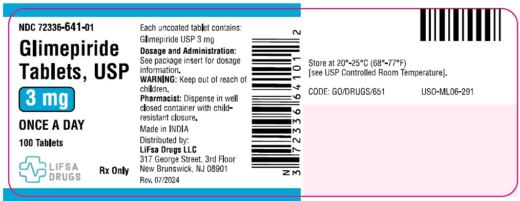 Glimepiride 3 Mg🏭 Lifsa Drugs LLC
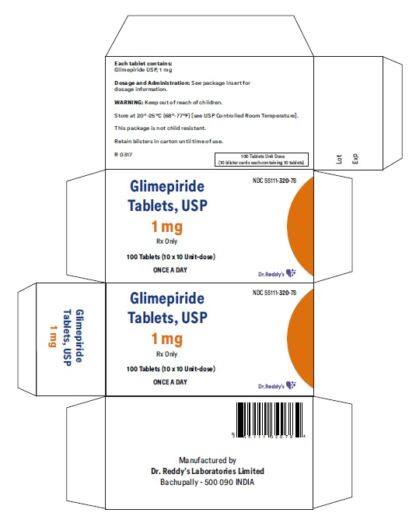 Glimepiride🏭 Dr. Reddy's Laboratories Limited
 Glimepiride🏭 Aurobindo Pharma Limited
 Glimepiride🏭 Rising Pharma Holdings, Inc.
✅ What it is used for
- Used as an adjunct to diet and exercise to improve glycemic control in adults with type 2 diabetes mellitus.
- Not for treating type 1 diabetes mellitus or diabetic ketoacidosis, as it would not be effective in these settings.
🧪 Active ingredient
The active ingredient is glimepiride, a sulfonylurea. It lowers blood glucose mainly by stimulating the release of insulin from pancreatic beta cells.
🌿 Benefits
- Improved blood sugar control in adults with type 2 diabetes when used with diet and exercise.
📝 How to use
- Your doctor or pharmacist determines the right dose for you; do not change it on your own.
- Taken by mouth with breakfast or the first main meal of the day.
- The doctor increases the dose gradually based on blood sugar response, at appropriate intervals.
- If you take colesevelam, glimepiride should be taken at least 4 hours before it.
💊 Dosage forms
- Scored tablets: 1 mg (peach), 2 mg (green), 4 mg (blue).
⚠️ Common side effects
- Low blood sugar (hypoglycemia)
- Dizziness
- Headache
- Nausea
- Asthenia (weakness)
- Weight gain
🚨 Serious — seek medical help
- Severe hypoglycemia that can lead to unconsciousness or convulsions and may result in temporary or permanent brain impairment or death.
- Hypersensitivity reactions such as anaphylaxis, angioedema and Stevens-Johnson Syndrome.
- Hemolytic anemia, which can occur in people with G6PD deficiency.
⛔ Do not use if
- History of hypersensitivity to glimepiride or any of the product's ingredients.
- History of allergic reaction to sulfonamide derivatives.
❗ Warnings & precautions
- Can cause severe hypoglycemia; the ability to concentrate and react may be impaired, which is a risk when driving or operating machinery.
- Patients must be educated to recognize and manage hypoglycemia.
- Hypoglycemia is more likely when caloric intake is deficient, after severe or prolonged exercise, or when alcohol is ingested.
- Debilitated or malnourished patients and those with adrenal, pituitary, or hepatic impairment are particularly susceptible to hypoglycemia.
- Early warning symptoms of hypoglycemia may be different or less pronounced in patients with autonomic neuropathy and the elderly.
- If an allergic reaction is suspected, stop the drug promptly and tell your doctor.
- Hemolytic anemia can occur in G6PD-deficient patients; a non-sulfonylurea alternative may be considered.
- There is a potential increased risk of cardiovascular mortality with sulfonylureas; discuss risks, benefits and alternatives with your doctor.
- There are no clinical studies establishing conclusive evidence of macrovascular risk reduction with glimepiride or any other anti-diabetic drug.
🔄 Drug interactions
- Medicines that may increase the glucose-lowering effect and the risk of hypoglycemia: other oral antidiabetic drugs, pramlintide, insulin, ACE inhibitors, H2 receptor antagonists, fibrates, fluconazole, tetracyclines, clarithromycin, quinolones, NSAIDs, salicylates, sulfonamides, fluoxetine, coumarins, MAO inhibitors and others.
- Oral miconazole: severe hypoglycemia can occur when used with glimepiride.
- Medicines that may reduce the glucose-lowering effect and worsen control: danazol, glucagon, somatropin, protease inhibitors, atypical antipsychotics (e.g., olanzapine, clozapine), barbiturates, rifampin, thiazides and other diuretics, laxatives and others.
- Inhibitors and inducers of cytochrome P450 2C9 may alter glimepiride levels and glycemic control.
- Colesevelam reduces glimepiride absorption; take glimepiride at least 4 hours before it.
- Tell your doctor or pharmacist about all medicines you use.
🤰 Pregnancy
Available data have not identified drug-associated risks for major birth defects, miscarriage, or adverse maternal outcomes, but sulfonylureas cross the placenta and have been associated with neonatal hypoglycemia. Glimepiride should be discontinued at least two weeks before expected delivery, under your doctor's supervision. Poorly controlled diabetes in pregnancy also carries risks to mother and fetus, so consult your doctor.
🍼 Breastfeeding
The provided label text does not include information on breastfeeding; consult your doctor before use.
🧒 Children
Not recommended in pediatric patients because of adverse effects on body weight and hypoglycemia. In a trial of patients aged 8 to 17 years, glimepiride did not meet its primary objective of showing a similar HbA1c reduction to metformin.
👴 Older adults
No overall differences in safety or effectiveness were observed versus younger patients, but greater sensitivity in some older individuals cannot be ruled out. Elderly patients are more prone to hypoglycemia, which may be hard to recognize, and are more likely to have renal impairment; the doctor starts at 1 mg and titrates cautiously.
🌡️ Storage
Store at 20°-25°C (68°-77°F), controlled room temperature. Do not use if the blister is torn or broken.
⏰ Missed dose
The provided label text does not give instructions for a missed dose; ask your doctor or pharmacist and do not double the dose on your own.
🆘 Overdose
Overdose can produce severe hypoglycemia. Mild episodes can be treated with oral glucose. Severe reactions (coma, seizure, neurological impairment) are medical emergencies requiring immediate treatment with glucagon or intravenous glucose; continued observation and extra carbohydrate may be needed because hypoglycemia may recur. Seek emergency care immediately.
💰 Price & brands in your area
🏛️ Official price in Palestine — Ministry of Health price list:
| Product | Company | Pack | Price |
|---|---|---|---|
| AMARREX 3 TAB Glimepiride 3 mg/tablet | Beit Jala | 30 tab | 20 ₪ |
| AMARREX 4 TAB Glimepiride 4 mg/tablet | Beit Jala | 30 tab | 25 ₪ |
| GLIMARYL 3 MG TABLETS (30 TAB) Glimepiride3 mg | Pharmacare Company | 30 TABLETS / BOX | 25 ₪ |
| GLIMARYL 4 MG TABLETS (30 TAB) Glimepiride4 mg | Pharmacare Company | 30 TABLETS / BOX | 28 ₪ |
📍 Find the nearest pharmacy
Your location is used only in your browser to show nearby pharmacies — we don't store it.
Open in Google Maps👨⚕️ For healthcare professionals
Mechanism of action
Glimepiride lowers blood glucose primarily by stimulating insulin release from pancreatic beta cells; sulfonylureas bind the sulfonylurea receptor in the beta-cell membrane, closing the ATP-sensitive potassium channel. Peak effect occurs about 2 to 3 hours after a single dose. It is completely metabolized by oxidative biotransformation via CYP2C9 to M1 (partially active) then M2 (inactive); protein binding is greater than 99.5%.
Labeled dosing
General adult dosing per label: start 1 or 2 mg once daily with breakfast or the first main meal; increase in 1 or 2 mg increments no more often than every 1 to 2 weeks based on glycemic response; maximum recommended dose 8 mg once daily. Start at 1 mg and titrate conservatively in patients at increased hypoglycemia risk (e.g., elderly, renal impairment). When transferring from longer half-life sulfonylureas (e.g., chlorpropamide), overlapping effect may last 1 to 2 weeks and monitoring is needed. The dose is set by the prescriber.
- Interactions: oral miconazole (severe hypoglycemia), CYP2C9 inhibitors/inducers, colesevelam (give glimepiride at least 4 hours before).
- G6PD deficiency: risk of hemolytic anemia; consider a non-sulfonylurea alternative.
- Inform patients of the potential increased cardiovascular mortality risk with sulfonylureas and of treatment alternatives.
- Report suspected adverse reactions to FDA at 1-800-FDA-1088 or www.fda.gov/medwatch.
🎓 Key points for students
- Class: sulfonylurea (insulin secretagogue).
- Mechanism: closes beta-cell K-ATP channels, stimulating insulin release.
- Key adverse effect: severe hypoglycemia; also weight gain.
- Metabolism: CYP2C9 to M1 then inactive M2.
- Contraindications: hypersensitivity to the drug or to sulfonamide derivatives.
- Caution in G6PD deficiency due to hemolytic anemia risk.
- Not for type 1 diabetes or diabetic ketoacidosis.
EME runs your whole clinic: appointments with WhatsApp reminders, patient files, finance & inventory, a patient portal and a members-price medical store — with your data isolated and protected.
Try EME free How we protect your data❓ FAQ
What is glimepiride used for?
It is used with diet and exercise to improve blood sugar control in adults with type 2 diabetes mellitus.
When should I take it?
With breakfast or the first main meal of the day; the dose is set by your doctor or pharmacist.
What is the main side effect?
Low blood sugar, which can be severe. You should learn how to recognize and manage it.
Does it affect driving?
Hypoglycemia can impair concentration and reaction time, which is risky when driving or operating machinery.
Can it be used in pregnancy?
It should be stopped at least two weeks before expected delivery; talk to your doctor about managing diabetes during pregnancy.
Is it suitable for children?
It is not recommended in children because of effects on body weight and hypoglycemia.
⚕️ For education only — not a substitute for advice from your doctor or pharmacist. Do not start or stop any medicine without advice. Source: official FDA drug label via openFDA (2024-11), simplified. Updated: 2026-11-16.