
💊 Folic acid (Folic Acid)
Folic acid is a B-complex vitamin used to treat anemias caused by folic acid deficiency, including megaloblastic anemia. It is usually taken by mouth, and your doctor or pharmacist determines the right dose for you.
In Arabic: حمض الفوليك
🏷️ Brand names & manufacturers
Packages shown are US-market (DailyMed). Brands available in Palestine are in the price section below.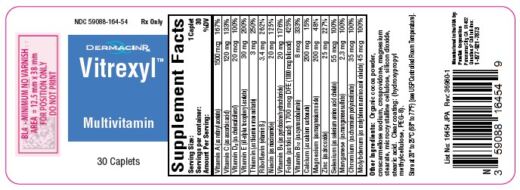 Vitrexyl🏭 PureTek Corporation
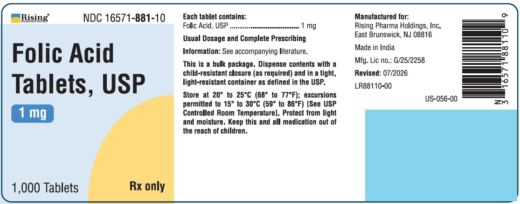 Folic Acid🏭 Rising Pharma Holdings, Inc.
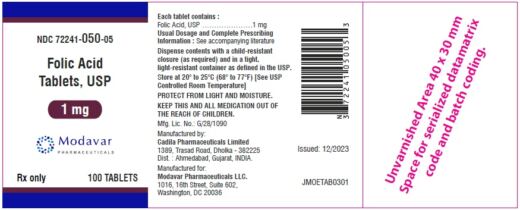 Folic Acid🏭 Modavar Pharmaceuticals LLC
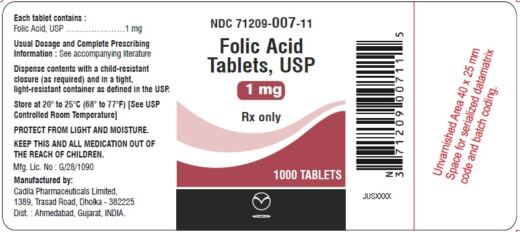 Folic Acid🏭 Cadila Pharmaceuticals Limited
✅ What it is used for
- Treatment of megaloblastic anemias due to folic acid deficiency, as seen in tropical or nontropical sprue
- Treatment of anemias of nutritional origin
- Treatment of anemias of pregnancy, infancy, or childhood
🧪 Active ingredient
The active ingredient is folic acid, a vitamin required by the body for nucleic acid synthesis and normal red blood cell production. It converts megaloblastic bone marrow to normoblastic marrow.
🌿 Benefits
- Corrects anemia caused by folic acid deficiency
- Supports normal red blood cell formation
- Meets the markedly increased need during pregnancy and lactation when deficiency is present
📝 How to use
- Oral administration is preferred; most patients with malabsorption can still absorb oral folic acid
- The dose is set by your doctor or pharmacist based on your condition; do not change it on your own
- Injection may be needed only in special cases (e.g., patients receiving parenteral or enteral nutrition)
- Once symptoms subside and the blood picture normalizes, a maintenance dose determined by the doctor is used, with close monitoring
💊 Dosage forms
- Oral tablets, 1 mg
⚠️ Common side effects
- Gastrointestinal effects (reported at very high doses such as 15 mg daily): loss of appetite, nausea, abdominal distention, flatulence, bitter or bad taste
- Altered sleep patterns, difficulty concentrating, irritability, overactivity, excitement (reported at high doses)
🚨 Serious — seek medical help
- Rare allergic reactions: redness, skin rash, itching, general malaise, breathing difficulty due to bronchospasm
- One patient had symptoms suggesting anaphylaxis after injection
- Mental depression, confusion, and impaired judgment (reported at high doses)
- Increased seizures in some epileptic patients taking phenobarbital, primidone, or diphenylhydantoin
- Decreased vitamin B12 serum levels with prolonged therapy
⛔ Do not use if
- Previous intolerance to folic acid
❗ Warnings & precautions
- Folic acid alone is improper therapy for pernicious anemia and other megaloblastic anemias in which vitamin B12 is deficient
- In pernicious anemia, folic acid may restore blood counts to normal while neurologic manifestations of B12 deficiency progress
- Doses greater than 0.1 mg should not be used unless B12-deficiency anemia has been ruled out or is adequately treated
- Daily doses above 1 mg do not enhance the hematologic effect, and most of the excess is excreted unchanged in urine
- Maintenance needs may increase with alcoholism, hemolytic anemia, anticonvulsant therapy, or chronic infection
🔄 Drug interactions
- Phenytoin: folic acid may antagonize its anticonvulsant action; a controlled patient may need a higher dose
- Folate deficiency may result from methotrexate and other folic acid antagonists, primidone, barbiturates, pyrimethamine, and nitrofurantoin
- Alcohol consumption, especially alcoholic cirrhosis, and renal dialysis increase folate loss
- Antibiotics such as tetracycline, which suppress Lactobacillus casei growth, may cause falsely low serum and red cell folate results
🤰 Pregnancy
Pregnancy Category A. Folic acid requirements are markedly increased during pregnancy, and deficiency results in fetal damage. Studies in pregnant women have not shown an increased risk of fetal abnormalities, but harm cannot be completely ruled out, so it should be used during pregnancy only if clearly needed and under medical supervision.
🍼 Breastfeeding
Folic acid is excreted in breast milk, and requirements are markedly increased during lactation. Amounts in milk are generally adequate for the infant, although supplementation may be needed in low-birth-weight infants, infants of folate-deficient mothers, or those with infections or prolonged diarrhea, under medical supervision.
🧒 Children
Used in children at doses set by the doctor. The usual therapeutic dosage is up to 1 mg daily regardless of age, and the doctor determines the maintenance dose by age group.
👴 Older adults
The label contains no specific information for elderly patients. Consult your doctor or pharmacist.
🌡️ Storage
The label gives no storage instructions for the tablets. In general, keep medicines out of reach of children and ask your pharmacist about proper storage. (Folic acid solutions should be kept cool and protected from light.)
⏰ Missed dose
The label gives no instructions for a missed dose. Ask your doctor or pharmacist what to do, and do not double the dose on your own.
🆘 Overdose
The label describes folic acid as relatively nontoxic. The main concern is masking pernicious anemia: blood counts may improve while neurologic damage from vitamin B12 deficiency progresses. Contact your doctor or a poison control center if too much is taken.
💰 Price & brands in your area
🏛️ Official price in Palestine — Ministry of Health price list:
| Product | Company | Pack | Price |
|---|---|---|---|
| FERGOLE 30 TAB FERROUS GLUCONATE 106 MG ELEMENTAL IRON & FOLIC ACID 1 MG | BPC | 30 tab | 20 ₪ |
| FOLIC ACID 5 MG 30 TAB FOLIC ACID 5MG | BPC | 30 tab | 20 ₪ |
📍 Find the nearest pharmacy
Your location is used only in your browser to show nearby pharmacies — we don't store it.
Open in Google Maps👨⚕️ For healthcare professionals
Mechanism of action
Acts on megaloblastic bone marrow to produce a normoblastic marrow. It is the precursor of tetrahydrofolic acid, a cofactor for transformylation reactions in purine and thymidylate biosynthesis; impaired thymidylate synthesis in deficiency causes defective DNA synthesis, megaloblast formation, and megaloblastic/macrocytic anemias. Rapidly absorbed from the small intestine (mainly proximal portion); appears in plasma 15 to 30 minutes after an oral dose with peak levels within about 1 hour. Metabolized in the liver to 7,8-dihydrofolic acid and then 5,6,7,8-tetrahydrofolic acid, and stored mainly in the liver. Normal serum total folate is 5 to 15 ng/mL; below 5 ng/mL indicates deficiency and below 2 ng/mL usually results in megaloblastic anemia.
Labeled dosing
Oral administration is preferred. Usual therapeutic dosage in adults and children regardless of age is up to 1 mg daily; resistant cases may require larger doses. After symptom resolution and normalization of the blood picture, maintenance is 0.1 mg for infants, up to 0.3 mg for children under 4 years, 0.4 mg for adults and children 4 years or older, and 0.8 mg for pregnant and lactating women, never less than 0.1 mg/day. Doses greater than 0.1 mg should not be used unless B12-deficiency anemia is ruled out or adequately treated. The actual dose for each patient is set by the doctor or pharmacist.
- Doses above 1 mg daily do not enhance the hematologic effect; most excess is excreted unchanged in urine
- Maintenance level may need to be increased with alcoholism, hemolytic anemia, anticonvulsant therapy, or chronic infection
- Except in pregnancy and lactation, therapeutic doses should not exceed 0.4 mg daily until pernicious anemia has been ruled out
- Doses exceeding the RDA should not be included in multivitamin preparations; therapeutic amounts should be given separately
- Keep patients under close supervision and adjust the maintenance level if relapse appears imminent
🎓 Key points for students
- Mechanism: precursor of tetrahydrofolic acid, a cofactor in purine and thymidylate synthesis
- Folate deficiency causes defective DNA synthesis leading to megaloblastic/macrocytic anemia
- Key warning: folic acid alone in B12 deficiency masks the anemia while neurologic damage progresses
- Key interaction: folic acid may antagonize the anticonvulsant effect of phenytoin
- Drugs and conditions causing folate deficiency: methotrexate, primidone, barbiturates, pyrimethamine, nitrofurantoin, alcohol
- Pregnancy Category A; deficiency in pregnancy causes fetal damage
- N5-formyltetrahydrofolic acid is leucovorin
EME runs your whole clinic: appointments with WhatsApp reminders, patient files, finance & inventory, a patient portal and a members-price medical store — with your data isolated and protected.
Try EME free How we protect your data❓ FAQ
What is folic acid used for?
It is used to treat megaloblastic anemia due to folic acid deficiency, nutritional anemia, and anemias of pregnancy, infancy, or childhood.
Can I take it without consulting a doctor?
No. The dose must be set by a doctor or pharmacist, because taking it alone without ruling out vitamin B12 deficiency can mask pernicious anemia while neurologic damage progresses.
Is folic acid safe during pregnancy?
Requirements rise markedly in pregnancy and deficiency harms the fetus. Studies have not shown increased risk of abnormalities, but it should be used only if clearly needed and under medical supervision.
What are the side effects?
It is relatively nontoxic. Rare allergic reactions can occur, and gastrointestinal and neuropsychiatric effects have been reported at very high doses.
Does it interact with other medicines?
Yes. It may antagonize phenytoin's anticonvulsant effect, and several drugs (e.g., methotrexate, barbiturates, pyrimethamine, nitrofurantoin) and alcohol can cause folate deficiency.
⚕️ For education only — not a substitute for advice from your doctor or pharmacist. Do not start or stop any medicine without advice. Source: official FDA drug label via openFDA (2025-01), simplified. Updated: 2026-11-15.