
💊 Fentanyl (Fentanyl)
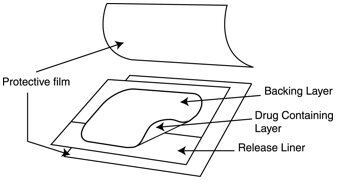
A transdermal patch containing fentanyl, a potent opioid analgesic used only in opioid-tolerant patients with severe and persistent pain that cannot be adequately treated with alternative options. Each patch is worn continuously for up to 72 hours. It carries serious risks of addiction, respiratory depression, and death and must be used only under medical supervision.
In Arabic: فنتانيل
🏷️ Brand names & manufacturers
Packages shown are US-market (DailyMed). Brands available in Palestine are in the price section below.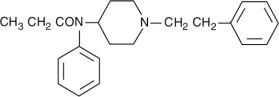 Fentanyl System🏭 ALVOGEN
 Fentanyl🏭 Mylan Pharmaceuticals Inc.
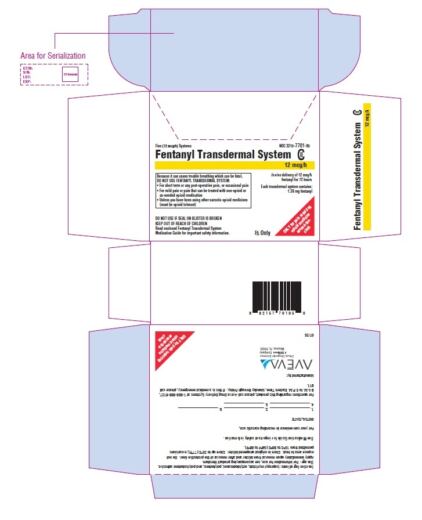 Fentanyl🏭 Aveva Drug Delivery Systems Inc.
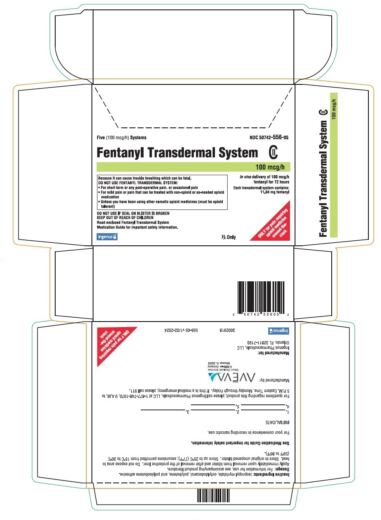 Fentanyl🏭 INGENUS PHARMACEUTICALS, LLC
✅ What it is used for
- Management of severe and persistent pain in opioid-tolerant patients
- Pain requiring an opioid that cannot be adequately treated with alternative options, including immediate-release opioids
🧪 Active ingredient
Fentanyl: an opioid agonist that interacts predominantly with the opioid mu-receptor in the brain, spinal cord, and other tissues.
🌿 Benefits
- Relief of severe and persistent pain in opioid-tolerant patients
- Continuous transdermal delivery for up to 72 hours
📝 How to use
- Apply the patch to the skin and wear continuously for up to 72 hours
- Only for patients who are already opioid-tolerant
- Replace the patch according to the doctor's and pharmacist's instructions
- Avoid strenuous exertion that may raise body temperature and local heat
💊 Dosage forms
- Transdermal system: 12, 25, 37.5, 50, 62.5, 75, 87.5, and 100 mcg/hour
⚠️ Common side effects
- Nausea
- Vomiting
- Somnolence
- Dizziness
- Insomnia
- Constipation
- Hyperhidrosis
- Fatigue
- Feeling cold
- Anorexia
- Headache
- Diarrhea
🚨 Serious — seek medical help
- Addiction, abuse, and misuse
- Life-threatening respiratory depression
- Accidental exposure (especially in children) that can be fatal
- Interactions with benzodiazepines or other CNS depressants
- Neonatal opioid withdrawal syndrome
- Opioid-induced hyperalgesia and allodynia
- Serotonin syndrome
- Adrenal insufficiency
- Severe hypotension
- Gastrointestinal adverse reactions
- Seizures
- Withdrawal
⛔ Do not use if
- Patients who are not opioid-tolerant
- Acute or intermittent pain
- Post-operative pain, including after outpatient or day surgery
- Mild pain
- Significant respiratory depression
- Acute or severe bronchial asthma in an unmonitored setting or without resuscitative equipment
- Known or suspected gastrointestinal obstruction, including paralytic ileus
- Hypersensitivity to fentanyl or any components of the transdermal system
❗ Warnings & precautions
- Increased fentanyl absorption with elevated body temperature; monitor febrile patients closely
- Opioid-induced hyperalgesia and allodynia may occur
- Serotonin syndrome with concomitant serotonergic drugs
- Life-threatening respiratory depression, especially during initiation and titration
- Adrenal insufficiency may occur
- Severe hypotension may occur
- Avoid in patients with impaired consciousness or coma
- Do not abruptly discontinue in physically dependent patients
🔄 Drug interactions
- CYP3A4 inhibitors such as macrolide antibiotics, azole antifungals, protease inhibitors, and grapefruit juice
- CYP3A4 inducers
- Benzodiazepines and other CNS depressants, including alcohol
- Serotonergic drugs
🤰 Pregnancy
Use of opioid analgesics for an extended period during pregnancy may cause neonatal opioid withdrawal syndrome. Available data in pregnant women are insufficient to inform a drug-associated risk. Observe newborns for symptoms of neonatal opioid withdrawal syndrome.
🍼 Breastfeeding
Not recommended.
🧒 Children
Safety was evaluated in three open-label trials in 289 pediatric patients aged 2 to 18 years. Safety and effectiveness in children under 2 years have not been established. Caregivers should strictly adhere to application and disposal instructions.
👴 Older adults
Clinical studies did not include sufficient numbers of subjects aged 65 and over. Start at the low end of the dosing range and titrate slowly, frequently reevaluating for CNS and respiratory depression. Elderly patients may be more sensitive to the active substance.
🆘 Overdose
Overdose presents with respiratory depression, somnolence progressing to stupor or coma, skeletal muscle flaccidity, cold and clammy skin, constricted pupils, and in some cases pulmonary edema, bradycardia, hypotension, hypoglycemia, and death. Treatment: reestablish a patent airway, assisted or controlled ventilation, oxygen and vasopressors as indicated, remove all patches, and administer an opioid reversal agent such as naloxone or nalmefene with monitoring for at least 72 to 96 hours.
💰 Price & brands in your area
Local prices are currently available for Palestine; more countries are coming. Ask your pharmacist for local price and alternatives.
📍 Find the nearest pharmacy
Your location is used only in your browser to show nearby pharmacies — we don't store it.
Open in Google Maps👨⚕️ For healthcare professionals
Mechanism of action
An opioid agonist that interacts predominantly with the opioid mu-receptor distributed in the human brain, spinal cord, and other tissues.
Labeled dosing
The dose is set by the doctor. Use the lowest effective dosage for the shortest duration; select the initial dose per the conversion instructions. Each transdermal system is worn continuously for up to 72 hours. In mild to moderate hepatic or renal impairment, initiate with one half the usual starting dose, titrate slowly, and monitor. Do not rapidly reduce or abruptly discontinue in physically dependent patients.
- Do not begin any patient on fentanyl transdermal system as the first opioid
- Discontinue or taper all other extended-release opioids when beginning therapy
- Periodically reassess patients
- Warn patients to avoid strenuous exertion that may increase body temperature
🎓 Key points for students
- Fentanyl is a potent opioid agonist; its patch is only for opioid-tolerant patients
- Each patch is worn for up to 72 hours
- Risks include addiction, respiratory depression, and death
- Interacts with CYP3A4 inhibitors and inducers and serotonergic drugs
EME runs your whole clinic: appointments with WhatsApp reminders, patient files, finance & inventory, a patient portal and a members-price medical store — with your data isolated and protected.
Try EME free How we protect your data❓ FAQ
What is the fentanyl transdermal system?
A skin patch containing fentanyl, a potent opioid analgesic used only for severe and persistent pain in opioid-tolerant patients whose pain cannot be adequately treated with alternative options.
How long is the patch worn?
Each transdermal system is worn continuously for up to 72 hours according to the doctor's instructions.
Can it be used for any type of pain?
No. It is contraindicated for acute or intermittent pain, post-operative pain, and mild pain, and in patients who are not opioid-tolerant.
What are the most serious risks?
Addiction, abuse, misuse, life-threatening respiratory depression, and death, especially during initiation or dose increases, as well as accidental exposure in children.
Can it be used with benzodiazepines or alcohol?
This may result in profound sedation, respiratory depression, coma, and death; reserve concomitant use for patients for whom alternative options are inadequate.
What should be done in case of suspected overdose?
Seek emergency medical help immediately; treatment includes airway support, removal of all patches, and an opioid reversal agent such as naloxone with prolonged monitoring.
⚕️ For education only — not a substitute for advice from your doctor or pharmacist. Do not start or stop any medicine without advice. Source: official FDA drug label via openFDA (2025-12), simplified. Updated: 2026-11-16.