
💊 Doxycycline (Doxycycline)
Doxycycline is an oral, broad-spectrum antibacterial used to treat or prevent infections that are proven or strongly suspected to be caused by susceptible bacteria. It should only be used with a prescription and under a doctor's supervision.
In Arabic: دوكسيسيكلين
🏷️ Brand names & manufacturers
Packages shown are US-market (DailyMed). Brands available in Palestine are in the price section below. Doxycycline Hyclate🏭 Amneal Pharmaceuticals NY LLC
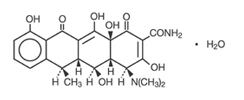 Doxycycline🏭 Strides Pharma Science Limited
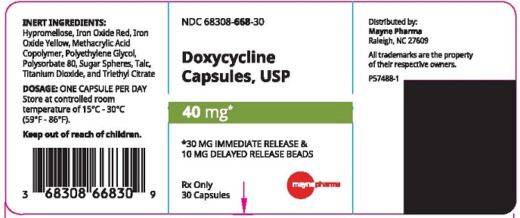 Doxycycline🏭 Mayne Pharma Inc.
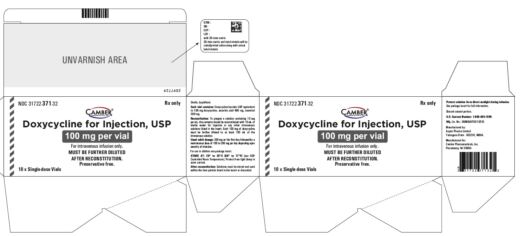 Doxycycline🏭 Camber Pharmaceuticals, Inc.
✅ What it is used for
- Rocky Mountain spotted fever, typhus fever and the typhus group, Q fever, rickettsialpox, and tick fevers caused by Rickettsiae
- Respiratory tract infections caused by Mycoplasma pneumoniae
- Lymphogranuloma venereum, trachoma, and inclusion conjunctivitis caused by Chlamydia trachomatis
- Psittacosis (ornithosis) caused by Chlamydophila psittaci
- Uncomplicated urethral, endocervical or rectal infections caused by Chlamydia trachomatis; nongonococcal urethritis caused by Ureaplasma urealyticum
- Relapsing fever, chancroid, plague, tularemia, cholera, brucellosis (with streptomycin), bartonellosis, and granuloma inguinale
- Uncomplicated gonococcal infections and primary and secondary syphilis
- Post-exposure treatment of inhalational anthrax
🧪 Active ingredient
The active ingredient is doxycycline (as doxycycline monohydrate), a broad-spectrum antibacterial synthetically derived from oxytetracycline. It inhibits bacterial protein synthesis by binding to the 30S ribosomal subunit and is bacteriostatic.
🌿 Benefits
- Active against a broad range of Gram-positive and Gram-negative bacteria
- Virtually completely absorbed after oral administration
- Lower-bowel side effects such as diarrhea have been infrequent because of its nearly complete absorption
📝 How to use
- Your doctor or pharmacist sets the dose and duration according to the infection; do not change it yourself
- Exceeding the recommended dose may increase the incidence of side effects
- Take with an adequate amount of fluid to wash the capsule down and reduce the risk of esophageal irritation and ulceration
- If stomach irritation occurs, it may be taken with food
- Avoid taking it right before going to bed; esophagitis and esophageal ulcers were mostly reported in patients who took tetracycline-class capsules/tablets immediately before bedtime
- Complete the course prescribed by your doctor
💊 Dosage forms
- Oral capsules in 100 mg, 75 mg, and 50 mg strengths (this leaflet covers the 100 mg capsule)
⚠️ Common side effects
- Loss of appetite, nausea, vomiting, diarrhea
- Glossitis (inflamed tongue) and difficulty swallowing
- Maculopapular and erythematous rashes
- Photosensitivity (increased skin sensitivity to light)
- Rise in BUN (apparently dose related)
🚨 Serious — seek medical help
- Severe diarrhea or colitis (Clostridium difficile–associated diarrhea), which can occur even more than two months after antibiotic use
- Esophagitis and esophageal ulcerations
- Serious allergic reactions: urticaria, angioneurotic edema, anaphylaxis, serum sickness
- Stevens-Johnson syndrome, toxic epidermal necrolysis, erythema multiforme, exfoliative dermatitis
- Hepatotoxicity
- Hemolytic anemia, thrombocytopenia, neutropenia, eosinophilia
- Intracranial hypertension (pseudotumor cerebri)
- Pericarditis and exacerbation of systemic lupus erythematosus
- Brown-black microscopic discoloration of the thyroid gland with prolonged use (no known abnormalities of thyroid function)
⛔ Do not use if
- Hypersensitivity to any of the tetracyclines
❗ Warnings & precautions
- Use during tooth development (last half of pregnancy, infancy, and childhood up to age 8) may cause permanent tooth discoloration (yellow-gray-brown) and enamel hypoplasia; tetracyclines should not be used in this age group except for anthrax, including inhalational anthrax (post-exposure), unless other drugs are not likely to be effective or are contraindicated
- Report diarrhea during or after treatment to your doctor immediately; CDAD can range from mild diarrhea to fatal colitis
- Tetracyclines form a stable calcium complex in bone-forming tissue; a reversible decrease in fibula growth rate was observed in premature infants given oral tetracycline
- Use only for infections proven or strongly suspected to be bacterial, to reduce the development of drug-resistant bacteria
- Exceeding the recommended dosage may increase side effects
🔄 Drug interactions
- The label excerpts provided do not include a detailed drug-interactions section; tell your doctor or pharmacist about all medicines and supplements you take
🤰 Pregnancy
Pregnancy Category D. There are no adequate and well-controlled studies in pregnant women. An expert review concluded that therapeutic doses are unlikely to pose a substantial teratogenic risk, but the data are insufficient to state there is no risk. Tetracyclines cross the placenta and can have toxic effects on the developing fetus (often related to retardation of skeletal development) and may cause permanent tooth discoloration. Consult your doctor before use.
🍼 Breastfeeding
Tetracyclines are excreted in human milk; the extent of absorption by the breastfed infant is not known. Short-term use is not necessarily contraindicated, but the effects of prolonged exposure are unknown. A decision should be made whether to discontinue nursing or the drug, taking into account the importance of the drug to the mother.
🧒 Children
Generally not used under 8 years of age because of the risk of permanent tooth discoloration, except for anthrax or when other drugs are not likely to be effective or are contraindicated. Dosing for children above 8 years is set by the doctor according to body weight.
👴 Older adults
The label text provided contains no specific information for elderly patients.
🌡️ Storage
Store at 25°C (77°F); excursions permitted to 15–30°C (59–86°F). Protect from light. Keep in a tight, light-resistant container.
⏰ Missed dose
The label text provided gives no instructions for a missed dose; ask your doctor or pharmacist and do not double the dose on your own.
🆘 Overdose
In case of overdosage, discontinue the medication, treat symptomatically and institute supportive measures. Dialysis does not alter serum half-life and would not be of benefit. Seek emergency care or contact a poison control center immediately.
💰 Price & brands in your area
Local prices are currently available for Palestine; more countries are coming. Ask your pharmacist for local price and alternatives.
📍 Find the nearest pharmacy
Your location is used only in your browser to show nearby pharmacies — we don't store it.
Open in Google Maps👨⚕️ For healthcare professionals
Mechanism of action
Inhibits bacterial protein synthesis by binding to the 30S ribosomal subunit; bacteriostatic against a broad range of Gram-positive and Gram-negative bacteria. Cross-resistance with other tetracyclines is common. Virtually completely absorbed orally; after a 200 mg dose, mean Cmax was 3.61 mcg/mL at about 2.60 hr, with a half-life of about 16.33 hr. Renal excretion is about 40%/72 hr with normal function and may fall to 1–5%/72 hr in severe renal insufficiency; serum half-life is not significantly different in renal impairment and is not altered by hemodialysis.
Labeled dosing
General adult dosing per label: 200 mg on day 1 (100 mg every 12 hours or 50 mg every 6 hours), then a maintenance dose of 100 mg/day as a single dose or 50 mg every 12 hours; for more severe infections, 100 mg every 12 hours. The final dose and duration are set by the doctor/pharmacist according to the infection.
- Consider culture and susceptibility data when selecting or modifying therapy; susceptibility testing is recommended because many strains are resistant
- In streptococcal infections, continue therapy for 10 days
- Dosing differs from other tetracyclines; exceeding it increases side effects
- Give with food if gastric irritation occurs; a high-fat meal delays time to peak by about 1 hr 20 min while slightly increasing peak concentration (7.5%) and AUC (5.7%)
🎓 Key points for students
- Class: tetracycline-class antibacterial derived from oxytetracycline
- Mechanism: binds 30S ribosomal subunit, inhibiting protein synthesis (bacteriostatic)
- Highly lipid soluble with low affinity for calcium binding
- Key warning: permanent tooth discoloration and enamel hypoplasia during tooth development
- Pregnancy Category D
- Take with adequate fluid to reduce risk of esophageal ulceration
EME runs your whole clinic: appointments with WhatsApp reminders, patient files, finance & inventory, a patient portal and a members-price medical store — with your data isolated and protected.
Try EME free How we protect your data❓ FAQ
What is doxycycline used for?
It treats infections that are proven or strongly suspected to be bacterial, such as some typhus-group fevers, chlamydial infections, Mycoplasma respiratory infections, cholera, plague, and syphilis, and is used after anthrax exposure, as decided by your doctor.
How should I take it?
Follow your doctor's or pharmacist's instructions. Take it with plenty of fluid, with food if your stomach is upset, and avoid taking it right before lying down for bed.
Can children take it?
It is generally not used before age 8 because it may cause permanent tooth discoloration, except for anthrax or when other drugs are not likely to be effective or are contraindicated; the doctor decides.
Is it safe in pregnancy or breastfeeding?
It is Pregnancy Category D and passes into breast milk. Talk to your doctor, who will weigh the benefit against the risk.
What are the common side effects?
Nausea, vomiting, loss of appetite, diarrhea, rash, and sun sensitivity. Tell your doctor right away about severe diarrhea, a serious rash, or difficulty swallowing.
⚕️ For education only — not a substitute for advice from your doctor or pharmacist. Do not start or stop any medicine without advice. Source: official FDA drug label via openFDA (2025-09), simplified. Updated: 2026-11-10.