
💊 Cyclosporine (Gengraf)
Cyclosporine (Gengraf) is an oral immunosuppressant used to prevent organ rejection after kidney, liver, and heart transplants, and to treat severe active rheumatoid arthritis and severe plaque psoriasis. It must be prescribed and monitored by a physician experienced in systemic immunosuppressive therapy.
In Arabic: سيكلوسبورين
🏷️ Brand names & manufacturers
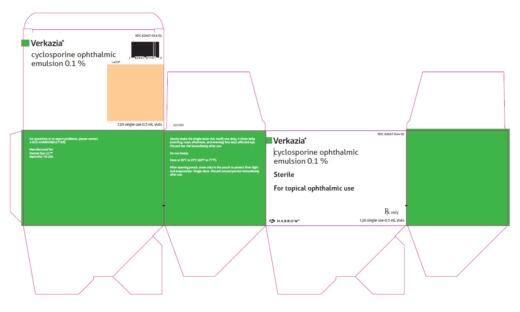 Verkazia🏭 Harrow Eye, LLCDailyMed
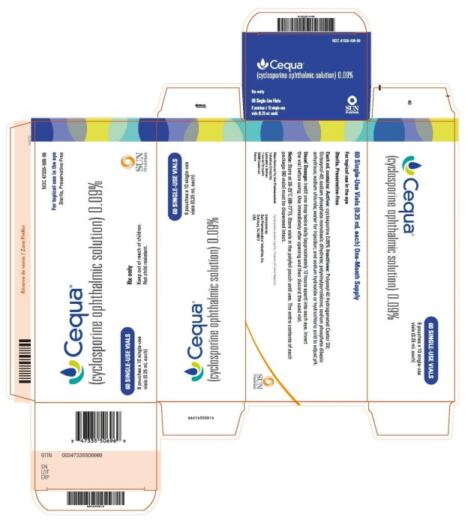 Cequa🏭 Sun Pharmaceutical Industries, Inc.DailyMed
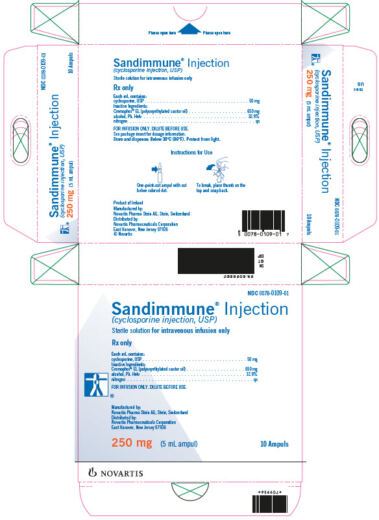 Sandimmune🏭 Novartis Pharmaceuticals CorporationDailyMed
 Restasis Multidose🏭 Allergan, Inc.DailyMed
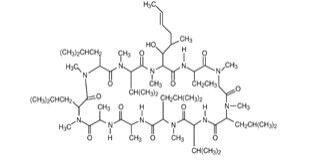 Restasis🏭 Allergan, Inc.DailyMed
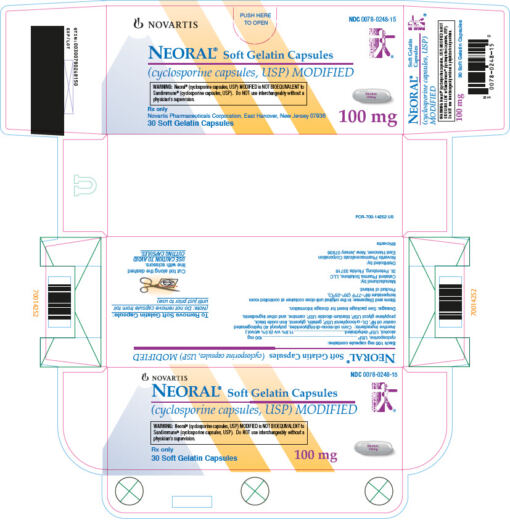 Neoral🏭 Novartis Pharmaceuticals CorporationDailyMed
✅ What it is used for
- Prophylaxis of organ rejection in kidney, liver, and heart allogeneic transplants (used with azathioprine and corticosteroids)
- Severe active rheumatoid arthritis not adequately responding to methotrexate (can be combined with methotrexate)
- Severe, recalcitrant plaque psoriasis in adult nonimmunocompromised patients who failed at least one systemic therapy or for whom other systemic therapies are contraindicated or not tolerated
🧪 Active ingredient
Cyclosporine is a cyclic polypeptide immunosuppressant that specifically and reversibly inhibits immunocompetent lymphocytes, preferentially T-lymphocytes, and inhibits lymphokine production and release, including interleukin-2.
🌿 Benefits
- Reduces the risk of rejection of transplanted organs
- Helps control severe rheumatoid arthritis
- Improves severe, treatment-resistant plaque psoriasis
📝 How to use
- The daily dose is always given in two divided doses (twice daily).
- Your doctor or pharmacist sets your dose; do not change it yourself.
- Take it on a consistent schedule regarding time of day and relation to meals.
- Avoid grapefruit and grapefruit juice, which increase cyclosporine blood levels.
- Do not switch between Gengraf and Sandimmune without physician supervision, as they are not bioequivalent.
💊 Dosage forms
- 25 mg capsules
- 100 mg capsules
- (An oral solution is also referenced in the label)
⚠️ Common side effects
- Renal dysfunction
- Hypertension
- Tremor
- Hirsutism (excess hair growth)
- Gum hyperplasia
- Acne
- Headache
- Diarrhea, nausea, and vomiting
- Paresthesia (tingling)
🚨 Serious — seek medical help
- Nephrotoxicity (raised creatinine and BUN) and structural, persistent kidney damage if not properly monitored
- Hepatotoxicity
- Increased susceptibility to infection and risk of neoplasia and lymphoma
- Glomerular capillary thrombosis, which may progress to graft failure
- Convulsions (sometimes associated with hypomagnesemia)
- Thrombocytopenia and anemia
⛔ Do not use if
- Hypersensitivity to cyclosporine or any ingredient of the formulation
- Rheumatoid arthritis or psoriasis patients with abnormal renal function, uncontrolled hypertension, or malignancies
- Psoriasis patients: concomitant PUVA or UVB therapy, methotrexate or other immunosuppressive agents, coal tar, or radiation therapy
❗ Warnings & precautions
- Should be prescribed only by physicians experienced in immunosuppressive therapy, in facilities with adequate laboratory and supportive resources.
- Can cause nephrotoxicity and hepatotoxicity, with risk increasing with dose; frequent monitoring of serum creatinine is required.
- Elderly patients need particularly careful monitoring because renal function declines with age.
- Increases susceptibility to infection and the development of neoplasia.
- Cyclosporine blood concentrations should be monitored in transplant and rheumatoid arthritis patients to avoid toxicity or rejection.
- Converting from Gengraf to Sandimmune at a 1:1 ratio may result in lower blood concentrations and requires increased monitoring.
- The capsules contain alcohol (about 12.8% v/v).
🔄 Drug interactions
- Drugs that may potentiate renal dysfunction: certain antibiotics (ciprofloxacin, gentamicin, tobramycin, vancomycin, trimethoprim with sulfamethoxazole), amphotericin B, ketoconazole, diclofenac, naproxen, sulindac, melphalan, cimetidine, ranitidine, tacrolimus, fibric acid derivatives, methotrexate, and NSAIDs in general.
- Drugs that increase cyclosporine concentrations: diltiazem, nicardipine, verapamil, fluconazole, itraconazole, ketoconazole, azithromycin, clarithromycin, erythromycin, methylprednisolone, allopurinol, amiodarone, and others.
- Grapefruit and grapefruit juice increase blood concentrations.
- Agents that decrease cyclosporine absorption, such as orlistat, should be avoided.
- Tell your doctor about all medicines you take so the dose can be adjusted when needed.
🤰 Pregnancy
Published data have not identified a drug-associated risk of major birth defects or miscarriage, but hypertension, preeclampsia, preterm birth, and low birth weight are increased in treated patients. Animal studies showed embryo-fetal toxicity at doses below the maximum recommended human dose. The capsules contain alcohol. Consult your doctor before use; enrollment in the Transplant Pregnancy Registry International (TPRI) is encouraged.
🍼 Breastfeeding
Cyclosporine and its metabolites are present in human milk; adverse effects on breastfed infants have not been reported. The product contains alcohol, and lactating women are encouraged to avoid additional alcohol. The doctor weighs the benefits of breastfeeding against the mother's need for the drug.
🧒 Children
Transplant recipients as young as one year of age have received cyclosporine (modified) with no unusual adverse effects. Safety and efficacy in children under 18 with juvenile rheumatoid arthritis or psoriasis have not been established.
👴 Older adults
In rheumatoid arthritis trials, patients aged 65 or older were more likely to develop systolic hypertension and serum creatinine rises of 50% or more above baseline. Dose selection should be cautious, usually starting at the low end of the range, with close renal monitoring.
🌡️ Storage
Store in the original unit-dose container at controlled room temperature 20-25°C (68-77°F).
⏰ Missed dose
The label gives no specific missed-dose instructions. Keep a consistent twice-daily schedule; ask your doctor or pharmacist what to do and do not double the dose on your own.
🆘 Overdose
Experience with overdose is minimal. Forced emesis and gastric lavage can be of value up to 2 hours after administration. Transient hepatotoxicity and nephrotoxicity may occur and should resolve after withdrawal; symptoms such as vomiting, drowsiness, headache, and tachycardia have been reported. Treatment is supportive and symptomatic; the drug is not well dialyzable. Seek medical help immediately.
💰 Price & brands in your area
📍 Find the nearest pharmacy
Your location is used only in your browser to show nearby pharmacies — we don't store it.
Open in Google Maps👨⚕️ For healthcare professionals
Mechanism of action
Calcineurin inhibitor; specific and reversible inhibition of immunocompetent lymphocytes in G0/G1 phase, preferentially T-lymphocytes (mainly T-helper), with inhibition of lymphokine production including IL-2. No bone marrow suppression. Extensively metabolized by CYP3A4 and a substrate of P-glycoprotein. Elimination is primarily biliary (only 6% in urine); terminal half-life approximately 8.4 hours (range 5-18).
Labeled dosing
The daily dose is always given in two divided doses (BID) on a consistent schedule relative to time of day and meals; avoid grapefruit. Gengraf has increased bioavailability versus Sandimmune and they are not interchangeable without physician supervision. In newly transplanted patients, the initial oral dose (given 4-12 hours before transplantation or postoperatively) equals the Sandimmune initial dose; the 1994 US survey mean initial doses were 9±3 mg/kg/day (renal), 8±4 (liver), and 7±3 (heart), divided in two doses, then titrated to a pre-defined blood concentration. Adjunct adrenal corticosteroids are recommended initially. The dose is set and adjusted by the physician based on response and tolerability.
- Titrate by blood concentration monitoring; the same trough target range as Sandimmune results in greater cyclosporine exposure with Gengraf.
- Monitor serum creatinine and BUN frequently; reduce dose or discontinue if they rise.
- Dose reduction may be needed in severe hepatic impairment due to reduced clearance.
- Not for use in rheumatoid arthritis or psoriasis patients with impaired renal function.
- Monitor blood pressure as described in the label's warnings and precautions.
🎓 Key points for students
- Class: calcineurin inhibitor (EPC); inhibits CYP3A4 and P-gp.
- Key adverse effects: renal dysfunction, tremor, hirsutism, hypertension, gum hyperplasia.
- Dosed twice daily; grapefruit raises levels.
- Gengraf and Sandimmune are not interchangeable without supervision.
- Boxed warning: increased infection and neoplasia risk; prescribe only by experienced physicians.
- Indications: kidney, liver, heart transplant; rheumatoid arthritis; psoriasis.
EME runs your whole clinic: appointments with WhatsApp reminders, patient files, finance & inventory, a patient portal and a members-price medical store — with your data isolated and protected.
Try EME free How we protect your data❓ FAQ
Why must I avoid grapefruit during treatment?
Grapefruit and its juice affect the drug's metabolism and raise cyclosporine blood concentrations, so they should be avoided.
Can Gengraf be swapped for Sandimmune?
No. They are not bioequivalent and can only be switched under physician supervision with blood level monitoring.
What monitoring is needed during treatment?
Frequent monitoring of kidney function (serum creatinine), blood pressure, and drug blood levels, as directed by your doctor.
Does this medicine affect my immune system?
Yes. It is an immunosuppressant and may increase susceptibility to infection and the risk of neoplasia, so report any signs of infection to your doctor.
How often is it taken each day?
The daily dose is always split into two doses at consistent times; your doctor or pharmacist determines the dose.
⚕️ For education only — not a substitute for advice from your doctor or pharmacist. Do not start or stop any medicine without advice. Source: official FDA drug label via openFDA (2024-08), simplified. Updated: 2026-11-15.