
💊 Colchicine (Colchicine)
Colchicine is an alkaloid used for the prophylaxis and treatment of gout flares in adults and for familial Mediterranean fever (FMF) in adults and children 4 years or older. It is taken by mouth, and the dose is set by your doctor or pharmacist based on age, kidney and liver function, and other medicines. It is not an analgesic and should not be used for pain from other causes.
In Arabic: كولشيسين
🏷️ Brand names & manufacturers
Packages shown are US-market (DailyMed). Brands available in Palestine are in the price section below.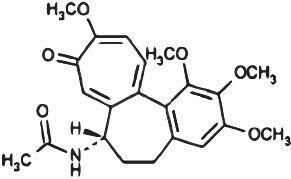 Gloperba🏭 Scilex Pharmaceuticals Inc.
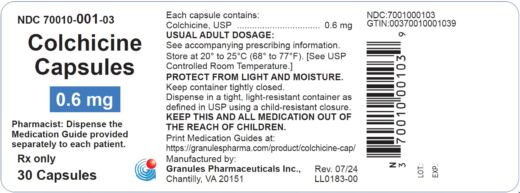 Colchicine🏭 Granules Pharmaceutical Inc.
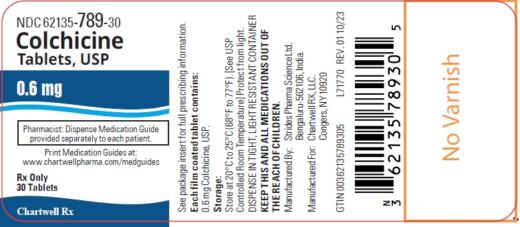 Colchicine🏭 Chartwell RX, LLC
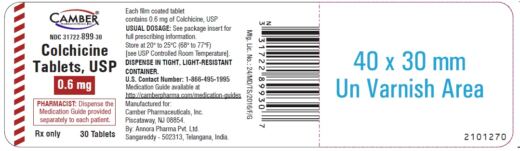 Colchicine🏭 Camber Pharmaceuticals, Inc.
✅ What it is used for
- Prophylaxis of gout flares in adults
- Treatment of acute gout flares when taken at the first sign of a flare
- Treatment of familial Mediterranean fever (FMF) in adults and children 4 years or older
🧪 Active ingredient
The active ingredient is colchicine, an alkaloid. It is thought to interfere with assembly of the inflammasome complex in neutrophils and monocytes and to inhibit β-tubulin polymerization into microtubules, reducing neutrophil activation, degranulation and migration thought to mediate some gout symptoms.
🌿 Benefits
- Reduces gout flares when used preventively, especially when starting uric acid-lowering therapy
- Treats an acute gout flare when taken at the first sign
- Helps control familial Mediterranean fever
📝 How to use
- Take by mouth, with or without meals.
- The dose differs by indication (prophylaxis, flare treatment, FMF) and is set by your doctor or pharmacist based on your age, kidney and liver function, and other medicines.
- Do not change or exceed the dose on your own.
- Colchicine is not a pain medicine and should not be used for pain from other causes.
💊 Dosage forms
- 0.6 mg film-coated tablets, purple, capsule-shaped, debossed '372' on one side with a score line on the other
⚠️ Common side effects
- Diarrhea (most common)
- Nausea and vomiting
- Abdominal pain and cramping
- Pharyngolaryngeal (throat) pain in gout flare treatment
🚨 Serious — seek medical help
- Blood disorders: myelosuppression, leukopenia, granulocytopenia, thrombocytopenia, pancytopenia, aplastic anemia
- Neuromuscular toxicity and rhabdomyolysis, especially in patients with kidney dysfunction and the elderly
- Symptoms of toxicity such as severe diarrhea or vomiting, which can herald more significant toxicity
- Fatal overdose (accidental and intentional cases reported in adults and children)
⛔ Do not use if
- Patients with renal or hepatic impairment who are also taking P-gp or strong CYP3A4 inhibitors (including all protease inhibitors except fosamprenavir), due to reports of life-threatening and fatal toxicity
❗ Warnings & precautions
- Overdose can be fatal; keep out of the reach of children.
- May cause blood dyscrasias; monitor for toxicity and consider temporary interruption or discontinuation.
- Risk of neuromuscular toxicity, especially in patients with kidney dysfunction and the elderly.
- May transiently impair fertility in males.
- Dose adjustment is needed in severe renal or hepatic impairment and in dialysis patients.
- Contact your doctor immediately if signs of toxicity appear.
🔄 Drug interactions
- P-gp and strong CYP3A4 inhibitors (e.g., clarithromycin, cyclosporine): raise colchicine levels and have caused fatal interactions; dose may need to be reduced or interrupted
- Protease inhibitors (except fosamprenavir): contraindicated with colchicine in renal or hepatic impairment
- Statins (atorvastatin, fluvastatin, lovastatin, pravastatin, simvastatin): risk of myopathy and rhabdomyolysis
- Fibrates and gemfibrozil: similar muscle risk
- Digoxin: rhabdomyolysis has been reported
- Tell your doctor or pharmacist about all medicines you take
🤰 Pregnancy
Published data over several decades have not identified drug-associated risks of major birth defects, miscarriage, or adverse maternal or fetal outcomes in pregnant women with rheumatic diseases. Colchicine crosses the placenta, and animal studies indicate embryofetal toxicity, teratogenicity and altered postnatal development at exposures within or above the clinical range. Consult your doctor before use.
🍼 Breastfeeding
The label text provided contains no information on breastfeeding; consult your doctor before use.
🧒 Children
Safety and efficacy in children with FMF were evaluated in uncontrolled studies, and long-term use does not appear to adversely affect growth. Safety and effectiveness in pediatric patients with gout have not been established. Pediatric dosing is determined by the doctor.
👴 Older adults
Clinical studies did not include enough patients aged 65 and older to determine whether they respond differently. Dose selection should be cautious and based on renal function, reflecting greater frequency of decreased renal function, concomitant disease or other drug therapy. Elderly patients are at higher risk of neuromuscular toxicity.
🌡️ Storage
Store at 20–25 °C (68–77 °F). Protect from light. Keep in a tight, light-resistant container, out of the reach of children.
⏰ Missed dose
The label text provided does not include missed-dose instructions; ask your doctor or pharmacist and do not double the dose.
🆘 Overdose
Overdose can be fatal. Symptoms begin within 24 hours with abdominal pain, nausea, vomiting, diarrhea and fluid loss, and multiorgan failure may follow 24–72 hours later. There is no specific antidote; treatment is symptomatic and supportive, and dialysis does not effectively remove colchicine. Seek emergency care or a poison center immediately if overdose is suspected.
💰 Price & brands in your area
🏛️ Official price in Palestine — Ministry of Health price list:
| Product | Company | Pack | Price |
|---|---|---|---|
| GOUTEX 0.5 MG TAB COLCHICINE | BPC | 30 tab | 18 ₪ |
📍 Find the nearest pharmacy
Your location is used only in your browser to show nearby pharmacies — we don't store it.
Open in Google Maps👨⚕️ For healthcare professionals
Mechanism of action
An alkaloid that may interfere with intracellular assembly of the inflammasome complex in neutrophils and monocytes (mediating IL-1β activation) and inhibits β-tubulin polymerization into microtubules, preventing neutrophil activation, degranulation and migration. Orally absorbed (mean Cmax 2.5 ng/mL after a single 0.6 mg fasting dose, in 1–2 hours). A P-gp substrate metabolized mainly by CYP3A4.
Labeled dosing
General adult dosing per the label: gout flare prophylaxis 0.6 mg once or twice daily (max 1.2 mg/day) in adults and adolescents older than 16 years. Gout flare treatment 1.2 mg at first sign followed by 0.6 mg one hour later (max 1.8 mg over 1 hour); if given during prophylaxis, not to exceed 1.2 mg then 0.6 mg one hour later, then resume the prophylactic dose after 12 hours. FMF in adults 1.2–2.4 mg daily in one or two divided doses, adjusted in 0.3 mg/day increments as needed and tolerated. Dosing is individualized by age, renal and hepatic function and coadministered drugs, and set by the doctor or pharmacist.
- Contraindicated with P-gp or strong CYP3A4 inhibitors in renal or hepatic impairment
- Severe renal impairment: prophylaxis starting dose 0.3 mg/day; flare treatment needs no adjustment but should not be repeated more than once every two weeks
- Dialysis: prophylaxis 0.3 mg twice weekly; flare treatment 0.6 mg as a single dose, not repeated more than once every two weeks
- Severe hepatic impairment: dose reduction may be needed for prophylaxis and FMF
- Monitor for toxicity and consider temporary interruption or discontinuation if present
- Prophylaxis may be beneficial for at least the first six months of uric acid-lowering therapy
🎓 Key points for students
- Colchicine is an anti-inflammatory alkaloid that inhibits β-tubulin polymerization and neutrophil activation
- P-gp and CYP3A4 substrate; strong inhibitors can cause fatal toxicity
- Key warnings: blood dyscrasias and neuromuscular toxicity/rhabdomyolysis
- No specific antidote for overdose, and it is not removed effectively by dialysis
- Dosing differs by indication and is adjusted for renal and hepatic function
EME runs your whole clinic: appointments with WhatsApp reminders, patient files, finance & inventory, a patient portal and a members-price medical store — with your data isolated and protected.
Try EME free How we protect your data❓ FAQ
Is colchicine a painkiller?
No. Colchicine is not an analgesic and should not be used for pain from causes other than gout or FMF.
When should I take it during a gout flare?
It is indicated when taken at the first sign of a flare; your doctor determines the dose.
What are the most common side effects?
Diarrhea is the most common, and nausea, vomiting and abdominal pain may also occur.
Can I take it with food?
Yes, it is taken by mouth with or without meals.
Does it interact with other medicines?
Yes, notably certain antibiotics, protease inhibitors, statins and digoxin, and some interactions can be serious; tell your doctor about all your medicines.
What should I do if I have severe diarrhea or muscle pain?
These may be signs of toxicity; contact your doctor immediately and do not continue without medical advice.
⚕️ For education only — not a substitute for advice from your doctor or pharmacist. Do not start or stop any medicine without advice. Source: official FDA drug label via openFDA (2023-11), simplified. Updated: 2026-11-15.