
💊 Cephalexin (Cephalexin)
Cephalexin is an oral cephalosporin antibacterial drug used to treat certain infections caused by susceptible bacteria. It should be used only for infections that are proven or strongly suspected to be bacterial, as directed by your doctor.
In Arabic: سيفالكسين
🏷️ Brand names & manufacturers
Packages shown are US-market (DailyMed). Brands available in Palestine are in the price section below.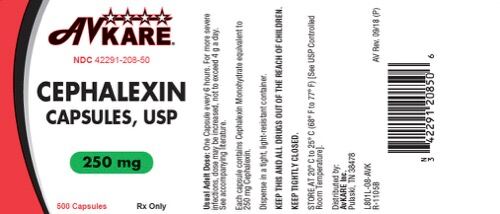 Cephalexin🏭 AvKARE
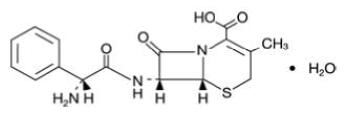 Cephalexin🏭 Teva Pharmaceuticals USA, Inc.
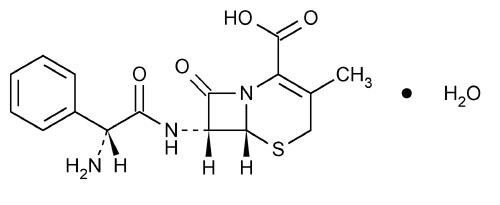 Cephalexin🏭 Lupin Pharmaceuticals, Inc.
✅ What it is used for
- Respiratory tract infections caused by susceptible bacteria (Streptococcus pneumoniae and Streptococcus pyogenes)
- Otitis media
- Skin and skin structure infections
- Bone infections
- Genitourinary tract infections, including acute prostatitis
- Not for non-bacterial infections; this helps reduce the development of drug-resistant bacteria
🧪 Active ingredient
The active ingredient is cephalexin (monohydrate), a bactericidal antibiotic that works by inhibiting bacterial cell-wall synthesis.
🌿 Benefits
- Treats susceptible bacterial infections of the respiratory tract, ear, skin, bone, and genitourinary tract
- Can be taken with or without food
- Available as capsules and oral suspension
📝 How to use
- The dose and duration are set by your doctor or pharmacist based on the type and severity of infection, kidney function, age, and weight; do not change it without advice.
- It can be taken with or without food.
- Treatment usually lasts 7 to 14 days depending on the infection type and severity; for beta-hemolytic streptococcal infections at least 10 days is recommended.
- For the oral suspension: it is prepared at the time of dispensing by adding water to the powder and shaking well, and it should be kept in the refrigerator after mixing.
- Complete the course prescribed by your doctor even if symptoms improve.
💊 Dosage forms
- Capsules 250 mg and 500 mg
- Powder for oral suspension 125 mg/5 mL and 250 mg/5 mL (cherry mixed fruit flavor)
⚠️ Common side effects
- Diarrhea (most common)
- Nausea and vomiting
- Indigestion (dyspepsia)
- Abdominal pain
- Gastritis
🚨 Serious — seek medical help
- Severe allergic reactions: rash, hives, angioedema, anaphylaxis, erythema multiforme, Stevens-Johnson syndrome, toxic epidermal necrolysis
- Clostridium difficile-associated diarrhea, ranging from mild diarrhea to fatal colitis, which may occur even over two months after treatment
- Hemolytic anemia
- Transient hepatitis and cholestatic jaundice
- Reversible interstitial nephritis
- Hallucinations, confusion, agitation
- Low platelet, neutrophil, or white blood cell counts
- Hemorrhage
⛔ Do not use if
- Known hypersensitivity to cephalexin or other cephalosporin antibacterial drugs
❗ Warnings & precautions
- Tell your doctor if you have a history of allergy to cephalexin, cephalosporins, penicillins, or other drugs; cross-hypersensitivity may occur in up to 10% of patients with penicillin allergy.
- Stop the drug and contact your doctor immediately if signs of an allergic reaction appear.
- Report any diarrhea that occurs during or after treatment.
- If anemia develops during or after treatment, drug-induced hemolytic anemia should be evaluated.
- Seizure risk is higher in patients with kidney impairment; lower doses are needed.
- It may cause a false-positive urine glucose test with Benedict's or Fehling's solution.
- Use without a proven or strongly suspected bacterial infection increases the risk of drug-resistant bacteria.
🔄 Drug interactions
- Metformin: increases metformin blood levels; monitor the patient and adjust the metformin dose, watching for low blood sugar.
- Probenecid: inhibits the kidney excretion of cephalexin; co-administration is not recommended.
- May interfere with urine glucose tests (false-positive result).
🤰 Pregnancy
Data from published epidemiologic studies and postmarketing reports over several decades have not identified a consistent association between cephalosporin use, including cephalexin, during pregnancy and major birth defects, miscarriage, or other adverse outcomes, though these studies have methodologic limitations. Animal studies showed no harm to the fetus. Consult your doctor before use.
🍼 Breastfeeding
The lactation section was not included in the provided label text; consult your doctor or pharmacist before using this drug while breastfeeding.
🧒 Children
Safety and effectiveness in pediatric patients were established in clinical trials at the dosages described for children over 1 year of age. The dose is calculated by the child's weight and set by the doctor.
👴 Older adults
No overall differences in safety or effectiveness were observed between older and younger patients. Because the drug is excreted by the kidney and kidney function may be reduced in older patients, care should be taken in dose selection.
🌡️ Storage
Store at 20° to 25°C (68° to 77°F) in a tight, light-resistant container. Keep the prepared suspension in the refrigerator.
⏰ Missed dose
The provided label text gives no specific instruction for a missed dose; ask your doctor or pharmacist and do not double the dose on your own.
🆘 Overdose
Symptoms of overdose may include nausea, vomiting, upper abdominal distress, diarrhea, and blood in the urine. If an overdose is suspected, seek medical help immediately; treatment is general supportive measures.
💰 Price & brands in your area
🏛️ Official price in Palestine — Ministry of Health price list:
| Product | Company | Pack | Price |
|---|---|---|---|
| JEFLEX 250MG DRY SUSPENSION CEPHALEXIN (AS MONOHYDRATE) 250MG | Jepharm Co. | BOTTLE OF 100 ML | 24 ₪ |
| JEFLEX 500MG CAPSULES CEPHALEXIN (AS MONOHYDRATE) 500MG | Jepharm Co. | 16 CAP | 24 ₪ |
📍 Find the nearest pharmacy
Your location is used only in your browser to show nearby pharmacies — we don't store it.
Open in Google Maps👨⚕️ For healthcare professionals
Mechanism of action
Cephalexin is a bactericidal cephalosporin that inhibits bacterial cell-wall synthesis. It is acid stable, about 10–15% protein bound, and excreted by glomerular filtration and tubular secretion, with over 90% excreted unchanged in urine within 8 hours. Average peak serum levels at 1 hour are about 9, 18, and 32 mcg/mL after 250 mg, 500 mg, and 1 g doses, respectively.
Labeled dosing
Adults and patients ≥15 years: usual dose 250 mg every 6 hours, or 500 mg every 12 hours, for 7–14 days; for more severe infections up to 4 g daily in 2–4 equally divided doses. Pediatric (>1 year): 25–50 mg/kg/day in equally divided doses for 7–14 days; 50–100 mg/kg/day in severe infections; 75–100 mg/kg/day for otitis media; at least 10 days for beta-hemolytic streptococcal infections. Dose adjustment is required in severe renal impairment and ESRD (CrCl <30 mL/min). Final dosing is determined by the physician or pharmacist.
- Resistance: methicillin-resistant staphylococci and most enterococci are resistant; no activity against Pseudomonas spp. or Acinetobacter calcoaceticus, and not active against most isolates of Enterobacter spp., Morganella morganii, and Proteus vulgaris.
- Inquire about beta-lactam hypersensitivity history before prescribing; cross-hypersensitivity may occur in up to 10% of patients with penicillin allergy.
- Consider C. difficile-associated diarrhea in any patient with diarrhea after antibiotic use, even up to two months after therapy.
- Direct Coombs' test seroconversion may occur; evaluate for hemolytic anemia if anemia develops.
- Monitor renally impaired patients longer for toxicity and drug interactions due to delayed clearance; seizure potential.
- Metformin: after a single 500 mg dose, plasma metformin Cmax and AUC rose by an average of 34% and 24% and renal clearance fell by 14%; monitor for hypoglycemia and adjust the metformin dose.
- Avoid co-administration with probenecid.
- False-positive urine glucose with Benedict's or Fehling's solution.
- Laboratory changes reported with the class: prolonged prothrombin time, increased BUN, creatinine, alkaline phosphatase, bilirubin, and LDH.
🎓 Key points for students
- Cephalosporin antibacterial with bactericidal activity (inhibits cell-wall synthesis).
- Active against: methicillin-susceptible S. aureus, penicillin-susceptible S. pneumoniae, S. pyogenes, E. coli, H. influenzae, Klebsiella pneumoniae, Proteus mirabilis, Moraxella catarrhalis.
- Inactive against Pseudomonas, methicillin-resistant staphylococci, and most enterococci.
- Excreted almost entirely unchanged by the kidney; dose reduction needed in renal impairment.
- Contraindication: hypersensitivity to cephalexin or other cephalosporins.
- Key warnings: hypersensitivity and cross-reactivity with penicillins, C. difficile-associated diarrhea, positive Coombs' test, seizures.
- Interactions: metformin (raised levels), probenecid (slows cephalexin excretion), false-positive urine glucose.
EME runs your whole clinic: appointments with WhatsApp reminders, patient files, finance & inventory, a patient portal and a members-price medical store — with your data isolated and protected.
Try EME free How we protect your data❓ FAQ
What is cephalexin and what is it used for?
It is a cephalosporin antibiotic used to treat respiratory tract, middle ear, skin, bone, and genitourinary tract infections when caused by susceptible bacteria.
Can cephalexin be taken with food?
Yes, it can be taken with or without food.
Does cephalexin treat colds and flu?
No. It is used only for infections that are proven or strongly suspected to be bacterial and does not work on non-bacterial infections.
What are the main side effects of cephalexin?
The most common are diarrhea, nausea, vomiting, indigestion, and abdominal pain. Signs of allergy or severe diarrhea need immediate medical attention.
Can I use it if I take metformin?
Cephalexin may increase metformin levels in the blood, so tell your doctor so you can be monitored and the dose adjusted if needed.
Can I stop the medicine when I feel better?
Complete the course your doctor prescribed, and do not stop or change the dose without consulting them.
⚕️ For education only — not a substitute for advice from your doctor or pharmacist. Do not start or stop any medicine without advice. Source: official FDA drug label via openFDA (2023-12), simplified. Updated: 2026-11-10.