
💊 Ceftriaxone (Ceftriaxone And Dextrose)
Ceftriaxone is a cephalosporin antibacterial given intravenously to treat several infections caused by susceptible bacteria, and for infection prevention before some surgeries. It should be used only for infections that are proven or strongly suspected to be bacterial. The dose and duration are determined by the doctor.
In Arabic: سيفترياكسون
🏷️ Brand names & manufacturers
Packages shown are US-market (DailyMed). Brands available in Palestine are in the price section below.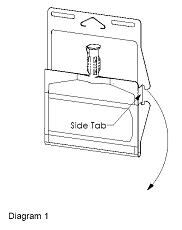 Ceftriaxone And Dextrose🏭 B. Braun Medical Inc.
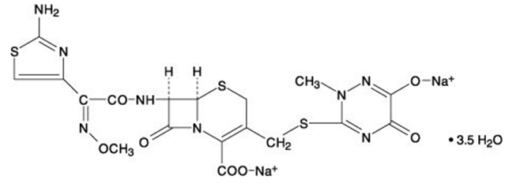 Ceftriaxone🏭 Hikma Pharmaceuticals USA Inc.
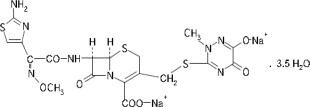 Ceftriaxone🏭 Sagent Pharmaceuticals
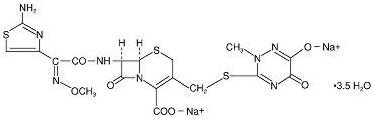 Ceftriaxone🏭 WG Critical Care, LLC
✅ What it is used for
- Lower respiratory tract infections
- Skin and skin structure infections
- Complicated and uncomplicated urinary tract infections
- Pelvic inflammatory disease
- Bacterial septicemia
- Bone and joint infections
- Intra-abdominal infections
- Meningitis
- Surgical prophylaxis
🧪 Active ingredient
The active ingredient is ceftriaxone sodium, a sterile, semisynthetic, broad-spectrum cephalosporin antibacterial given intravenously to treat bacterial infections.
🌿 Benefits
- Treats bacterial infections caused by susceptible organisms in multiple body systems
- Helps prevent infection when given before surgery
📝 How to use
- This product is for intravenous use only, infused over approximately 30 minutes.
- It is given by a healthcare professional, not self-administered.
- The dose and duration are set by the doctor or pharmacist according to the infection and the patient's condition.
- This dual-chamber container is for patients who require the entire 1 g or 2 g dose and not any fraction thereof.
💊 Dosage forms
- DUPLEX dual-chamber single-dose container: 1 g ceftriaxone for injection with 50 mL of 3.74% dextrose injection
- DUPLEX dual-chamber single-dose container: 2 g ceftriaxone for injection with 50 mL of 2.22% dextrose injection
⚠️ Common side effects
- Diarrhea
- Nausea or vomiting
- Rash and itching
- Pain, induration, tenderness, or phlebitis at the injection site
- Headache or dizziness
- Elevated liver enzymes (SGOT, SGPT)
- Blood count changes (eosinophilia, thrombocytosis, leukopenia)
- Moniliasis or vaginitis
🚨 Serious — seek medical help
- Serious, occasionally fatal hypersensitivity (anaphylactic) reactions
- Severe skin reactions such as Stevens-Johnson syndrome and toxic epidermal necrolysis
- Clostridioides difficile-associated diarrhea (up to fatal colitis)
- Serious neurological adverse reactions, including seizures
- Severe hemolytic anemia
- Ceftriaxone-calcium precipitates (fatal cases reported in neonates)
⛔ Do not use if
- History of anaphylaxis to ceftriaxone, cephalosporins, penicillins, or other beta-lactam antibacterials
❗ Warnings & precautions
- Ask about previous hypersensitivity to ceftriaxone, cephalosporins, penicillins, or other drugs before starting; cross-hypersensitivity may occur in up to 10% of penicillin-allergic patients.
- If an allergic reaction occurs, discontinue the drug.
- Do not administer simultaneously with calcium-containing IV solutions.
- May cause Clostridioides difficile-associated diarrhea; evaluate if diarrhea occurs during or after treatment.
- If neurological adverse reactions occur, discontinue therapy and institute supportive measures; adjust the dose in severe renal impairment.
- If hemolytic anemia is diagnosed, discontinue the drug until the etiology is determined.
- Patients with hepatic impairment and significant renal impairment should not receive more than 2 g per day.
- Do not use this product when a fraction of the dose is needed, to prevent unintentional overdose.
- Do not use plastic containers in series connections; stop pumping before the container runs dry to avoid air embolism.
🔄 Drug interactions
- Vancomycin, amsacrine, aminoglycosides, and fluconazole: physically incompatible with ceftriaxone in admixtures.
- Calcium-containing products: precipitation can occur; do not administer simultaneously with calcium-containing IV solutions, but they may be given sequentially.
🤰 Pregnancy
Available data with cephalosporin use, including ceftriaxone, in pregnant women have not established a drug-associated risk of major birth defects, miscarriage, or adverse maternal or fetal outcomes. Ceftriaxone crosses the placenta. Animal studies showed no adverse developmental effects at doses up to about 2.8 times the clinical dose. The doctor decides whether it is appropriate during pregnancy.
🍼 Breastfeeding
The provided label text does not include breastfeeding information; consult your doctor.
🧒 Children
This product is designed to deliver a full 1 g or 2 g dose and should not be used in pediatric patients who require less than the full adult dose, to prevent unintentional overdose. The doctor determines the appropriate product and dose for children.
👴 Older adults
No overall differences in safety or effectiveness were observed between elderly and younger subjects. Dose adjustment is not necessary for geriatric patients up to 2 g per day unless severe renal and hepatic impairment is present. Because the risk of adverse reactions may be greater with impaired renal function, care in dose selection and monitoring renal function may be useful.
🌡️ Storage
Store the unactivated unit at 20-25°C (68-77°F); excursions permitted to 15-30°C (59-86°F). Do not freeze. The reconstituted solution may darken without loss of potency; use only if the solution is clear and free from particulate matter.
⏰ Missed dose
This medicine is given in a healthcare setting on a schedule set by the doctor; if a dose is missed, inform your doctor or nurse to decide what to do.
🆘 Overdose
Overdosage has been reported in patients with severe renal impairment, with neurological outcomes including encephalopathy, seizures, myoclonus, and non-convulsive status epilepticus. Discontinue therapy and provide general supportive, symptomatic treatment. There is no specific antidote, and hemodialysis or peritoneal dialysis does not reduce drug concentration.
💰 Price & brands in your area
🏛️ Official price in Palestine — Ministry of Health price list:
| Product | Company | Pack | Price |
|---|---|---|---|
| TIXON 1 G VIALS CEFTRIAXONE (SODIUM) 1 G | Jepharm Co. | 5 vials | 101 ₪ |
📍 Find the nearest pharmacy
Your location is used only in your browser to show nearby pharmacies — we don't store it.
Open in Google Maps👨⚕️ For healthcare professionals
Mechanism of action
Ceftriaxone is an antibacterial drug of the cephalosporin class.
Labeled dosing
General adult dosing per the label: 1 g to 2 g once a day or in equally divided doses every 12 hours, not exceeding 4 g/day, given IV over approximately 30 minutes. Surgical prophylaxis: 1 g IV once, 1/2 to 2 hours before surgery. Usual duration is 4 to 14 days, longer in complicated infections; at least 10 days for Streptococcus pyogenes. No more than 2 g/day in hepatic impairment with significant renal impairment. The final dose is set by the doctor or pharmacist.
- The DUPLEX container is for use only when the entire 1 g or 2 g dose is required, not any fraction.
- Inspect visually; use only if the solution is clear and container and seals are intact.
- Do not use plastic containers in series connections; avoid air embolism.
- Do not introduce additives into the container.
- Not for pediatric patients requiring less than the full adult dose.
🎓 Key points for students
- Ceftriaxone: semisynthetic broad-spectrum cephalosporin given IV.
- Contraindication: history of anaphylaxis to ceftriaxone, cephalosporins, penicillins, or other beta-lactams.
- Cross-hypersensitivity with penicillin allergy may occur in up to 10%.
- Do not give simultaneously with calcium-containing IV solutions (precipitation).
- Key warnings: C. difficile-associated diarrhea, neurological reactions, hemolytic anemia.
- Most common adverse reactions (>2%): diarrhea, eosinophilia, thrombocytosis, leukopenia, elevated SGOT/SGPT.
- Overdose is not reduced by hemodialysis or peritoneal dialysis.
EME runs your whole clinic: appointments with WhatsApp reminders, patient files, finance & inventory, a patient portal and a members-price medical store — with your data isolated and protected.
Try EME free How we protect your data❓ FAQ
What is ceftriaxone used for?
It is a cephalosporin antibacterial given intravenously for bacterial infections of the respiratory tract, skin, urinary tract, bones and joints, abdomen, and meninges, and for surgical prophylaxis.
Who should not receive ceftriaxone?
Patients with a history of anaphylaxis to ceftriaxone, cephalosporins, penicillins, or other beta-lactam antibacterials.
What are the main side effects?
Diarrhea, nausea, rash, injection-site pain, and headache are common. Rare serious effects include severe allergic reactions and seizures; tell your doctor right away if they occur.
Can it be given with calcium?
It must not be given simultaneously with calcium-containing IV solutions because of precipitation, but they may be given sequentially under medical supervision.
Can I treat myself with it?
No. It is a prescription medicine given intravenously under medical supervision, and the doctor or pharmacist sets the dose and duration.
⚕️ For education only — not a substitute for advice from your doctor or pharmacist. Do not start or stop any medicine without advice. Source: official FDA drug label via openFDA (2022-01), simplified. Updated: 2026-11-10.